
 Christopher David Wilson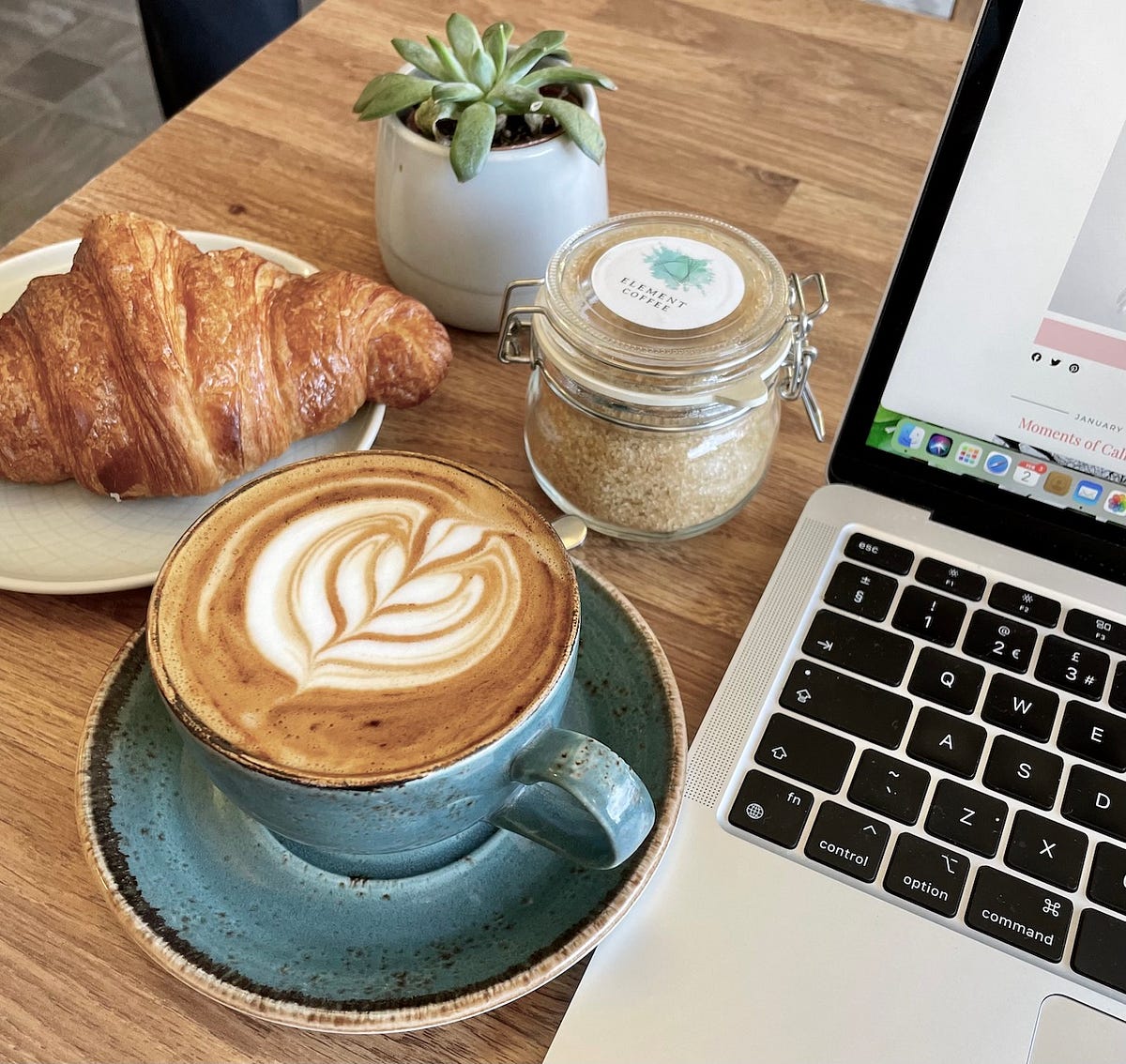
Digital nomad life has grown from a niche trend into a mainstream lifestyle, driven by remote work opportunities and shifting attitudes toward work-life balance. While the idea of working from anywhere is appealing, long-term sustainability depends on stable income, disciplined financial habits, and maintaining mental and physical well-being.***The Rise of Location-Independent WorkRemote work adoption has expanded significantly in recent years, allowing professionals to work outside traditional office environments. Many Americans now choose to live and work across different cities or countries, seeking flexibility and new experiences.However, the appeal of constant travel often overlooks the need for structure and consistency. Sustainability in this lifestyle requires more than just mobility—it requires intentional planning.***What Sustainability Means in Nomad LifeA sustainable nomadic lifestyle is built on three pillars: reliable income, financial stability, and overall well-being. Without balance in these areas, the lifestyle can quickly become stressful rather than freeing.For example, someone with a stable remote job and predictable schedule is more likely to maintain long-term success compared to someone relying on inconsistent freelance income.Ar202629.webp***Work Stability and Career GrowthConsistent income is the foundation of sustainable nomad life. Remote employees often benefit from steady paychecks, structured schedules, and access to benefits, while freelancers must continuously secure clients and manage income fluctuations.Career growth can also be a challenge. Limited in-person networking and reduced visibility within organizations may slow advancement, making it important for nomads to actively invest in skill development and professional relationships.***Financial Reality: Costs and Trade-OffsNomad life is not always cheaper than living in the U.S. While some destinations offer lower costs of living, expenses such as flights, short-term rentals, insurance, and unexpected fees can add up quickly.Long-term sustainability depends on careful budgeting, maintaining an emergency fund, and adopting strategies like slow travel to reduce frequent relocation costs.***Mental and Emotional Well-BeingOne of the most overlooked aspects of nomad life is its impact on mental health. Constant movement can lead to isolation, decision fatigue, and burnout.Establishing routines, staying in one place longer, and building connections through coworking spaces or local communities can help maintain emotional stability.***Health and Daily LifestyleFrequent travel can disrupt routines related to sleep, diet, and exercise. Access to healthcare may also vary depending on location, making insurance and planning essential.Ar202630.webpMaintaining consistent habits—such as regular exercise and balanced meals—plays a key role in long-term sustainability.***Relationships and Social ConnectionMaintaining relationships can be challenging while constantly moving. Long-distance communication requires effort, and forming deep connections in new places takes time.Some nomads improve sustainability by traveling with partners, staying longer in fewer locations, or building recurring travel patterns that allow for stronger connections.***Who Is This Lifestyle Best Suited For?Nomad life tends to work best for individuals with stable remote careers, strong self-discipline, and a preference for flexibility over routine. Those who rely heavily on structure, community, or predictable environments may find it more difficult to sustain.Understanding personal priorities is essential before committing to long-term nomadic living.***Real-World ExampleA remote employee with a steady income who stays in each location for several months is more likely to maintain balance than a freelancer constantly moving while managing unstable income.This highlights the importance of stability and planning in making nomad life sustainable.https://www.youtube.com/watch?v=J1D-ld1PJWM&pp=ygU6V2hhdCBJcyBEaWdpdGFsIE5vbWFkIExpZmUgUmVhbGx5IExpa2U_IChIb25lc3QgQnJlYWtkb3duKQ%3D%3D***ConclusionNomad life offers freedom and flexibility, but long-term sustainability depends on thoughtful planning, consistent income, and maintaining well-being. It is not inherently better or worse than traditional living—it simply requires a different approach to balance work, finances, and personal health.Those who succeed long-term are not just travelers, but individuals who design their lifestyle with intention and stability in mind.
By Christopher David Wilson · 17 May 2026
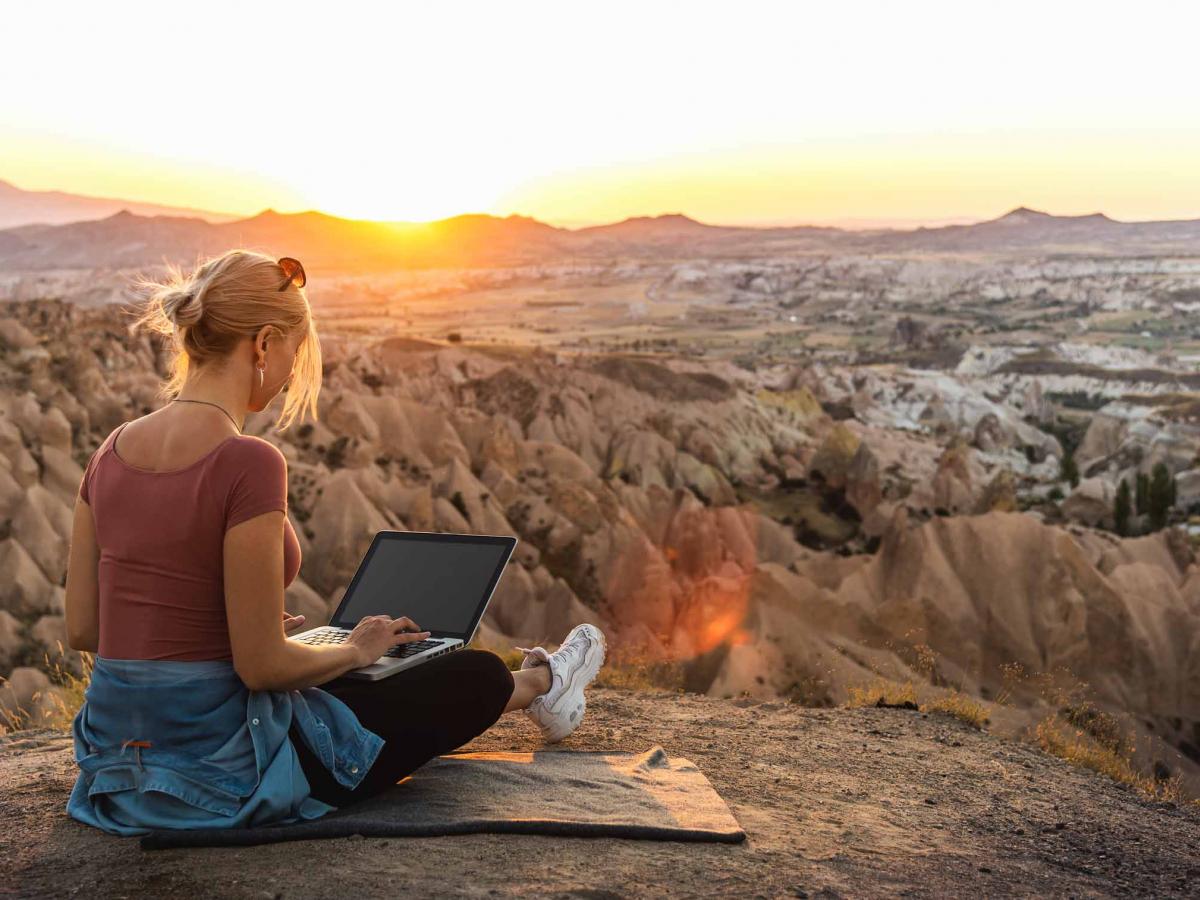
A growing number of Americans are rethinking traditional living by exploring life without a fixed address. Driven by remote work, rising housing costs, and a desire for flexibility, this lifestyle is becoming more practical and accessible. Instead of committing to long-term leases, many are choosing mobility, using technology and flexible work arrangements to live and work from anywhere.***The Rise of Location-Independent LivingLiving without a fixed address has shifted from a niche concept to a viable lifestyle option. Rising rent prices in major U.S. cities and the normalization of remote work have made it easier for people to step away from traditional housing commitments.Many professionals no longer need to live near offices, allowing them to choose locations based on cost, lifestyle, and personal preference rather than proximity to work.***What Life Without a Fixed Address Looks LikeThis lifestyle can take many forms, from full-time travel to seasonal relocation. Some individuals move between cities every few months, while others live in vans, RVs, or short-term rentals.Ar202626.webpThe common factor is flexibility—there is no single permanent residence, but rather a series of temporary living arrangements that adapt to changing needs and priorities.***Why More Americans Are Making the ShiftSeveral factors are driving this trend. Housing affordability remains a major concern, especially in urban areas where rent consumes a large portion of income. At the same time, remote work opportunities have expanded, allowing people to earn income without being tied to a specific location.Additionally, many individuals are prioritizing experiences and flexibility over long-term commitments, choosing mobility as a way to explore new environments and lifestyles.***Is It Actually Cheaper?Living without a fixed address can reduce certain expenses, such as rent and utilities, but it introduces new costs like travel, short-term accommodations, and logistical services.For some, the lifestyle is cost-neutral, while others achieve savings by carefully choosing locations, avoiding peak pricing, and minimizing unnecessary expenses.***How People Make It WorkA remote worker might spend several months in lower-cost cities while maintaining a steady income. A couple living in a converted van may significantly reduce housing costs but take on expenses related to fuel and maintenance.Others rotate between locations seasonally, balancing affordability with comfort and accessibility.***Practical ConsiderationsLiving without a permanent address requires careful planning. Reliable internet access is essential for remote work, and managing mail, healthcare, and legal documentation requires alternative solutions.Virtual mailboxes, co-working spaces, and digital tools help individuals stay organized and maintain stability despite constant movement.Ar202627.webp***The Role of TechnologyTechnology enables this lifestyle by providing access to remote work platforms, communication tools, and booking services. Mobile internet, cloud storage, and digital payments allow individuals to maintain productivity and manage daily tasks from anywhere.Without these tools, sustaining a location-independent lifestyle would be significantly more challenging.***Challenges to ConsiderWhile the flexibility is appealing, there are trade-offs. Frequent movement can make it difficult to build long-term relationships or maintain a consistent routine. Planning logistics and dealing with unexpected disruptions can also add stress.Additionally, time zone differences and workspace limitations can impact productivity for some professionals.***Is This Lifestyle Sustainable?For some, living without a fixed address is a temporary phase, while others adopt it long-term. Sustainability depends on income stability, personal preferences, and the ability to adapt to changing circumstances.Many individuals eventually transition between mobile living and more traditional housing as their needs evolve.https://www.youtube.com/watch?v=tLUTyeLeZb8&pp=ygUvMS4gSG93IERpZ2l0YWwgTm9tYWRzIEFjdHVhbGx5IExpdmUgaW4gdGhlIFUuUy4%3D***ConclusionThe shift toward life without a fixed address reflects broader changes in how Americans think about work, housing, and lifestyle. Flexibility, technology, and economic pressures are reshaping traditional norms, making alternative living arrangements more viable than ever.For those willing to adapt, this lifestyle offers a unique balance of freedom and responsibility, allowing individuals to design their living situation around their priorities rather than fixed expectations.
By Christopher David Wilson · 16 May 2026

The digital nomad lifestyle promises freedom, flexibility, and the ability to work from anywhere. While these benefits are real, they often come with trade-offs that are less visible at first. From financial uncertainty to social isolation, nomadic living requires careful planning to be sustainable long term.***The Appeal of Location IndependenceThe rise of remote work has made it possible for many Americans to live and work outside traditional office environments. For some, this means traveling across cities or countries while maintaining a career.The appeal is clear: flexible schedules, exposure to new cultures, and the ability to design your own lifestyle. However, the freedom to move frequently also introduces complexities that can affect daily life and long-term stability.***Financial Trade-OffsOne of the biggest misconceptions about the nomad lifestyle is that it always saves money. While living in lower-cost destinations can reduce expenses, frequent travel, short-term accommodations, and inconsistent income can offset those savings.Freelancers and remote workers often deal with fluctuating income, currency exchange changes, and the lack of employer-sponsored benefits such as retirement contributions.***Healthcare ChallengesHealthcare is a major concern for many digital nomads, especially Americans. Most U.S. health insurance plans offer limited international coverage, and finding reliable care abroad can vary depending on the country.Ar202623.webpInternational insurance plans can help, but they differ widely in cost and coverage. Without proper planning, medical expenses can quickly become a financial burden.***Productivity and Work-Life BalanceWhile working from anywhere sounds appealing, it can be difficult to maintain consistent productivity. Time zone differences, unreliable internet, and constantly changing environments can disrupt routines.Many nomads find that creating structure—such as setting fixed working hours and choosing destinations with reliable infrastructure—is essential for maintaining performance.***Social and Emotional ConsiderationsFrequent relocation can make it challenging to build lasting relationships. Many digital nomads experience periods of loneliness or disconnection from their support networks.Staying longer in one place, joining local communities, and maintaining regular communication with family and friends can help address these challenges.***Career Growth LimitationsRemote work provides flexibility, but it can also limit career advancement in certain industries. Employees working outside traditional office environments may have fewer opportunities for networking, mentorship, and leadership roles.To stay competitive, nomads often need to invest in skill development and actively engage in professional networks.***Legal and Tax ComplexityLiving and working across different countries introduces legal and tax considerations. U.S. citizens are required to report global income, and different countries have varying visa and residency rules.Ar202624.webpWithout proper planning, nomads may face unexpected tax obligations or compliance issues.***The Cost of Constant MovementTraveling frequently can be both financially and mentally exhausting. Transportation costs, time spent in transit, and the effort required to plan each move can add up quickly.Many experienced nomads adopt a slower travel approach, staying in one location for extended periods to reduce stress and expenses.***Is It Sustainable Long-Term?For some, the nomad lifestyle is a temporary phase rather than a permanent choice. Over time, priorities often shift toward stability, community, and long-term planning.Those who successfully maintain the lifestyle typically have stable income, structured routines, and a clear understanding of their personal and professional goals.https://www.youtube.com/watch?v=-XANgmgylyE&pp=ygUnMS4gVGhlIFJlYWxpdHkgb2YgQmVpbmcgYSBEaWdpdGFsIE5vbWFk***ConclusionThe digital nomad lifestyle offers unique opportunities for flexibility and exploration, but it also requires thoughtful decision-making. Understanding the trade-offs—financial, social, and professional—can help individuals determine whether this path aligns with their long-term priorities.With the right planning and expectations, it is possible to balance freedom with stability and make the most of a location-independent life.
By Christopher David Wilson · 15 May 2026

Remote work has fundamentally changed how Americans think about stability, success, and long-term career growth. The modern nomad is no longer a fringe lifestyle choice—it is a practical, sustainable way of living for professionals who prioritize flexibility, control, and meaningful work. In 2026, success is increasingly defined by how well individuals design their lives, not just where they live or work.***The Rise of the Modern NomadThe shift toward remote work has enabled professionals across industries to detach their income from a fixed location. What began as a temporary response to global disruptions has evolved into a long-term structural change in the workforce.Today, many workers in fields like technology, marketing, consulting, and design are choosing location independence. Rather than being tied to a single office or city, they are building careers that allow movement while maintaining consistent income and productivity.***Redefining Stability in 2026Traditional stability was once defined by a steady job, a permanent address, and predictable routines. For modern nomads, stability is now about financial security, flexibility, and the ability to adapt to change.Instead of relying on one location or employer, remote workers focus on maintaining reliable income streams, building portable careers, and creating systems that allow them to work effectively from anywhere.***What Success Looks Like TodaySuccess for modern nomads is less about titles or long-term tenure and more about autonomy and balance. Many define success through their ability to control their schedule, choose their environment, and maintain meaningful work.This shift does not eliminate traditional goals like saving for retirement or investing in the future. Instead, it reframes how those goals are achieved—often through diversified income, flexible living arrangements, and intentional career choices.Ar202620.webp***The Financial Reality of Nomadic LivingA common concern is whether this lifestyle is financially sustainable. For many, the answer depends on careful planning rather than income alone.Remote workers often save money by reducing commuting costs, adjusting their location to match their budget, and avoiding long-term housing commitments. However, expenses such as travel, insurance, and workspace setup can offset some of these savings if not managed properly.***Housing Without Long-Term CommitmentModern nomads rarely rely on traditional long-term leases. Instead, they use flexible housing options such as short-term rentals, co-living spaces, and extended-stay accommodations.This approach allows them to adapt their living situation based on cost, lifestyle preferences, and work requirements. Living outside major city centers or rotating between locations can significantly reduce expenses while maintaining quality of life.***Staying Productive While MobileProductivity is one of the biggest challenges for remote workers who move frequently. Successful nomads establish routines that provide consistency regardless of location.This includes setting fixed work hours, ensuring reliable internet access, and creating dedicated workspaces—even in temporary environments. Discipline and structure are essential to maintaining performance.***Balancing Freedom and Social ConnectionWhile the freedom to move is appealing, it can also lead to challenges in maintaining relationships and building community. Many remote workers address this by creating a hybrid lifestyle that includes both travel and a consistent home base.Co-working spaces, professional networks, and regular visits to familiar locations help maintain social connections while preserving flexibility.Ar202621.webp***Employer Expectations in a Remote EraCompanies have adapted to remote work, but expectations remain high. Employers now prioritize results, communication, and accountability over physical presence.For workers, this means that flexibility comes with responsibility. Maintaining productivity and meeting expectations is essential to sustaining a location-independent career.***Legal and Financial ConsiderationsLiving and working across different locations introduces additional complexity. Remote workers must consider tax obligations, healthcare coverage, and employment classification.Understanding these factors is critical to avoiding unexpected costs and ensuring long-term financial stability.***Real-World ExampleA remote designer earning a stable income may choose to split their year between multiple cities, adjusting their location based on cost and personal preference. By doing so, they reduce living expenses while maintaining professional opportunities and personal connections.This approach reflects how modern nomads balance flexibility with long-term planning.https://www.youtube.com/watch?v=n2NTmmcPDHk&pp=ygUkMS4gVGhlIFJpc2Ugb2YgUmVtb3RlIFdvcmsgRXhwbGFpbmVk***ConclusionThe modern nomad represents a shift in how work and life are structured. Stability is no longer tied to a single place but to the ability to adapt, plan, and maintain control over key aspects of life.As remote work continues to evolve, this lifestyle will likely become more common, influencing how Americans define success, build careers, and choose where to live.
By Christopher David Wilson · 14 May 2026
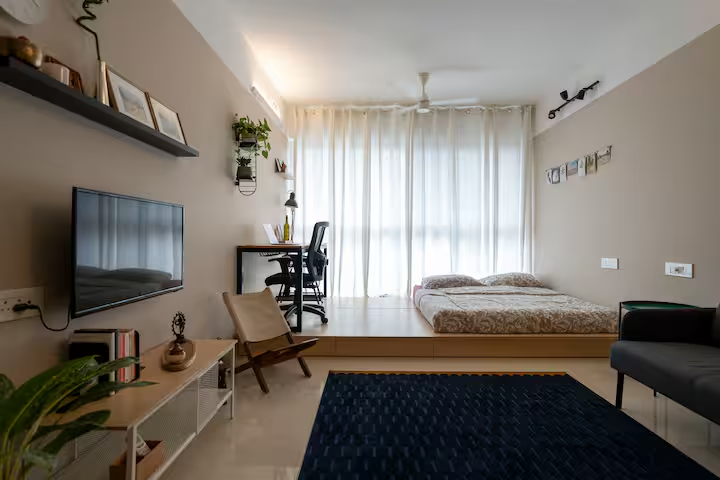
Sustaining a nomad lifestyle in today’s economy requires more than remote work and a flexible schedule. Rising global costs, income instability, and logistical challenges mean that long-term success depends on planning, discipline, and financial awareness. For Americans considering this lifestyle, understanding the real demands is essential.***The Reality Behind the Nomad LifestyleThe digital nomad lifestyle is often portrayed as effortless and freedom-driven, but in reality, it requires structure and consistency. Many people begin with enthusiasm but struggle to maintain it over time due to financial pressure and lack of routine.Today, nomad living is no longer a fringe lifestyle—it’s a growing segment of the workforce. However, sustainability depends on treating it as a long-term system rather than a temporary escape.***Income Stability Is EssentialThe most important factor in sustaining a nomad lifestyle is reliable income. Without consistent earnings, even low-cost destinations become difficult to maintain.Successful nomads typically diversify their income through remote jobs, freelance work, or online businesses. Relying on a single client or income stream increases risk and reduces long-term stability.***Rising Costs in Popular DestinationsMany traditionally affordable destinations have become more expensive due to increased demand from remote workers. Cities like Lisbon, Mexico City, and Bali have seen noticeable increases in rent and daily expenses.This shift means that nomads must carefully calculate their monthly expenses, including accommodation, transportation, insurance, and daily living costs, rather than assuming travel will automatically be cheaper.***Housing Strategy Matters MostAccommodation is usually the largest expense. Short-term rentals provide flexibility but often come at a premium price.Ar202617.webpTo reduce costs, many nomads stay longer in one location, negotiate monthly rates, or choose less popular cities. Stability in housing often leads to better financial outcomes.***Work Discipline and RoutineFreedom without structure can lead to decreased productivity. Successful nomads establish routines similar to traditional work environments, including fixed work hours and dedicated workspaces.This discipline is especially important when working with U.S.-based clients across time zones.***Healthcare and Insurance PlanningHealthcare is one of the most overlooked aspects of nomadic living. Without proper coverage, unexpected medical issues can become financially overwhelming.International health insurance and emergency coverage are essential for long-term sustainability, particularly for Americans who are used to employer-based plans.***Understanding Visa and Legal RequirementsMany countries now enforce stricter visa rules for long-term stays. Digital nomad visas are becoming more common, but they often come with income requirements and documentation.Ar202618.webpUnderstanding tax obligations and residency rules is equally important to avoid legal complications.***The Cost of Constant MovementFrequent travel increases expenses and reduces productivity. Flights, transportation, and accommodation gaps can quickly add up.Staying in one place for one to three months is generally more cost-effective and allows for better work-life balance.***Social and Emotional SustainabilityLong-term travel can lead to isolation and burnout. Maintaining relationships and building community are essential for emotional well-being.Many successful nomads actively seek out coworking spaces, local events, and online communities to stay connected.***Technology as a LifelineReliable technology is critical for sustaining remote work. A dependable laptop, stable internet, and backup solutions are necessary to maintain productivity.Any disruption in technology can directly impact income, making preparation and redundancy essential.https://www.youtube.com/watch?v=w577fQLXoqs&pp=ygUtMS4gV2hhdCBJdCBSZWFsbHkgQ29zdHMgdG8gQmUgYSBEaWdpdGFsIE5vbWFk***ConclusionSustaining a nomad lifestyle in today’s economy requires more than flexibility—it requires planning, discipline, and a long-term mindset. Those who approach it strategically can maintain both financial stability and personal freedom.By focusing on income reliability, cost management, and structured routines, modern nomads can successfully navigate the realities of working and living across different locations.
By Christopher David Wilson · 13 May 2026