

Digital nomad life has grown from a niche trend into a mainstream lifestyle, driven by remote work opportunities and shifting attitudes toward work-life balance. While the idea of working from anywhere is appealing, long-term sustainability depends on stable income, disciplined financial habits, and maintaining mental and physical well-being.***The Rise of Location-Independent WorkRemote work adoption has expanded significantly in recent years, allowing professionals to work outside traditional office environments. Many Americans now choose to live and work across different cities or countries, seeking flexibility and new experiences.However, the appeal of constant travel often overlooks the need for structure and consistency. Sustainability in this lifestyle requires more than just mobility—it requires intentional planning.***What Sustainability Means in Nomad LifeA sustainable nomadic lifestyle is built on three pillars: reliable income, financial stability, and overall well-being. Without balance in these areas, the lifestyle can quickly become stressful rather than freeing.For example, someone with a stable remote job and predictable schedule is more likely to maintain long-term success compared to someone relying on inconsistent freelance income.Ar202629.webp***Work Stability and Career GrowthConsistent income is the foundation of sustainable nomad life. Remote employees often benefit from steady paychecks, structured schedules, and access to benefits, while freelancers must continuously secure clients and manage income fluctuations.Career growth can also be a challenge. Limited in-person networking and reduced visibility within organizations may slow advancement, making it important for nomads to actively invest in skill development and professional relationships.***Financial Reality: Costs and Trade-OffsNomad life is not always cheaper than living in the U.S. While some destinations offer lower costs of living, expenses such as flights, short-term rentals, insurance, and unexpected fees can add up quickly.Long-term sustainability depends on careful budgeting, maintaining an emergency fund, and adopting strategies like slow travel to reduce frequent relocation costs.***Mental and Emotional Well-BeingOne of the most overlooked aspects of nomad life is its impact on mental health. Constant movement can lead to isolation, decision fatigue, and burnout.Establishing routines, staying in one place longer, and building connections through coworking spaces or local communities can help maintain emotional stability.***Health and Daily LifestyleFrequent travel can disrupt routines related to sleep, diet, and exercise. Access to healthcare may also vary depending on location, making insurance and planning essential.Ar202630.webpMaintaining consistent habits—such as regular exercise and balanced meals—plays a key role in long-term sustainability.***Relationships and Social ConnectionMaintaining relationships can be challenging while constantly moving. Long-distance communication requires effort, and forming deep connections in new places takes time.Some nomads improve sustainability by traveling with partners, staying longer in fewer locations, or building recurring travel patterns that allow for stronger connections.***Who Is This Lifestyle Best Suited For?Nomad life tends to work best for individuals with stable remote careers, strong self-discipline, and a preference for flexibility over routine. Those who rely heavily on structure, community, or predictable environments may find it more difficult to sustain.Understanding personal priorities is essential before committing to long-term nomadic living.***Real-World ExampleA remote employee with a steady income who stays in each location for several months is more likely to maintain balance than a freelancer constantly moving while managing unstable income.This highlights the importance of stability and planning in making nomad life sustainable.https://www.youtube.com/watch?v=J1D-ld1PJWM&pp=ygU6V2hhdCBJcyBEaWdpdGFsIE5vbWFkIExpZmUgUmVhbGx5IExpa2U_IChIb25lc3QgQnJlYWtkb3duKQ%3D%3D***ConclusionNomad life offers freedom and flexibility, but long-term sustainability depends on thoughtful planning, consistent income, and maintaining well-being. It is not inherently better or worse than traditional living—it simply requires a different approach to balance work, finances, and personal health.Those who succeed long-term are not just travelers, but individuals who design their lifestyle with intention and stability in mind.
By Christopher David Wilson · 17 May 2026
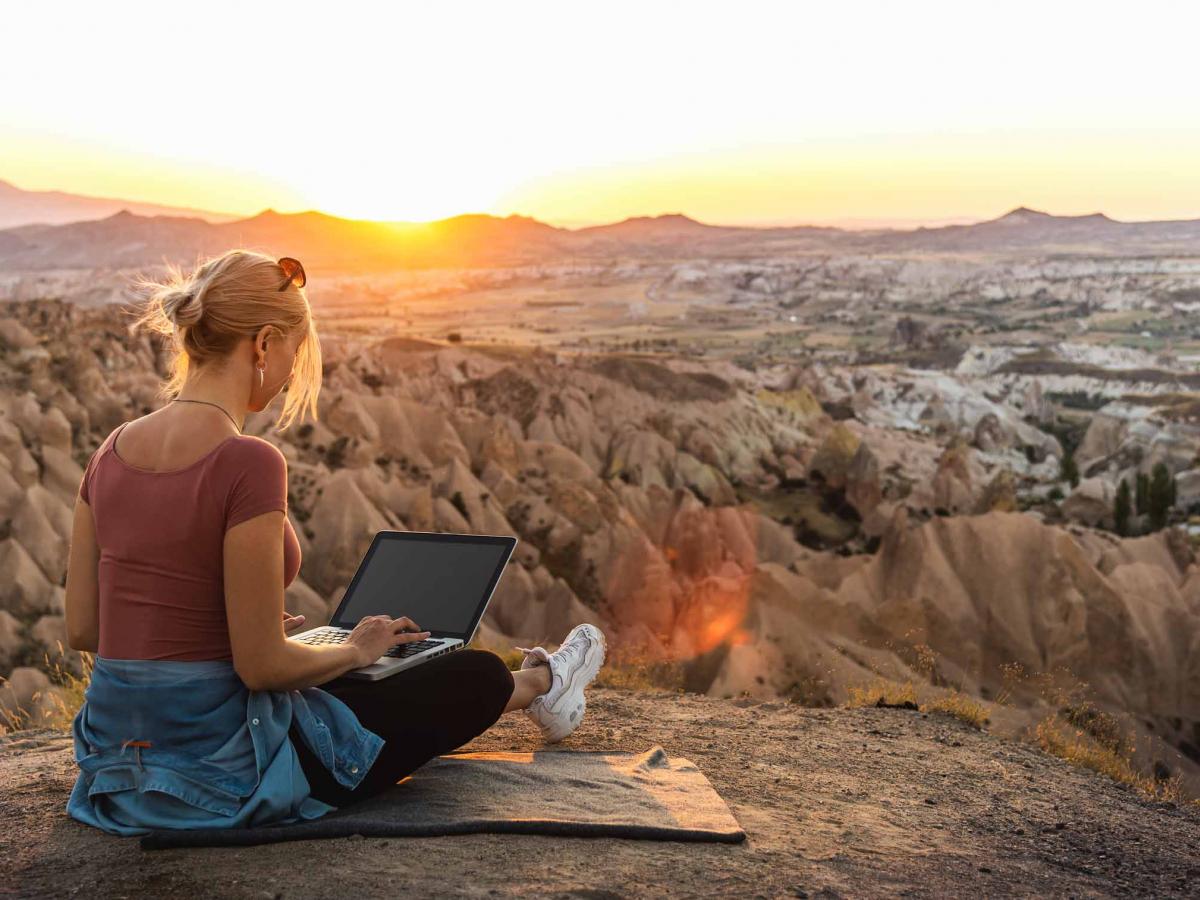
A growing number of Americans are rethinking traditional living by exploring life without a fixed address. Driven by remote work, rising housing costs, and a desire for flexibility, this lifestyle is becoming more practical and accessible. Instead of committing to long-term leases, many are choosing mobility, using technology and flexible work arrangements to live and work from anywhere.***The Rise of Location-Independent LivingLiving without a fixed address has shifted from a niche concept to a viable lifestyle option. Rising rent prices in major U.S. cities and the normalization of remote work have made it easier for people to step away from traditional housing commitments.Many professionals no longer need to live near offices, allowing them to choose locations based on cost, lifestyle, and personal preference rather than proximity to work.***What Life Without a Fixed Address Looks LikeThis lifestyle can take many forms, from full-time travel to seasonal relocation. Some individuals move between cities every few months, while others live in vans, RVs, or short-term rentals.Ar202626.webpThe common factor is flexibility—there is no single permanent residence, but rather a series of temporary living arrangements that adapt to changing needs and priorities.***Why More Americans Are Making the ShiftSeveral factors are driving this trend. Housing affordability remains a major concern, especially in urban areas where rent consumes a large portion of income. At the same time, remote work opportunities have expanded, allowing people to earn income without being tied to a specific location.Additionally, many individuals are prioritizing experiences and flexibility over long-term commitments, choosing mobility as a way to explore new environments and lifestyles.***Is It Actually Cheaper?Living without a fixed address can reduce certain expenses, such as rent and utilities, but it introduces new costs like travel, short-term accommodations, and logistical services.For some, the lifestyle is cost-neutral, while others achieve savings by carefully choosing locations, avoiding peak pricing, and minimizing unnecessary expenses.***How People Make It WorkA remote worker might spend several months in lower-cost cities while maintaining a steady income. A couple living in a converted van may significantly reduce housing costs but take on expenses related to fuel and maintenance.Others rotate between locations seasonally, balancing affordability with comfort and accessibility.***Practical ConsiderationsLiving without a permanent address requires careful planning. Reliable internet access is essential for remote work, and managing mail, healthcare, and legal documentation requires alternative solutions.Virtual mailboxes, co-working spaces, and digital tools help individuals stay organized and maintain stability despite constant movement.Ar202627.webp***The Role of TechnologyTechnology enables this lifestyle by providing access to remote work platforms, communication tools, and booking services. Mobile internet, cloud storage, and digital payments allow individuals to maintain productivity and manage daily tasks from anywhere.Without these tools, sustaining a location-independent lifestyle would be significantly more challenging.***Challenges to ConsiderWhile the flexibility is appealing, there are trade-offs. Frequent movement can make it difficult to build long-term relationships or maintain a consistent routine. Planning logistics and dealing with unexpected disruptions can also add stress.Additionally, time zone differences and workspace limitations can impact productivity for some professionals.***Is This Lifestyle Sustainable?For some, living without a fixed address is a temporary phase, while others adopt it long-term. Sustainability depends on income stability, personal preferences, and the ability to adapt to changing circumstances.Many individuals eventually transition between mobile living and more traditional housing as their needs evolve.https://www.youtube.com/watch?v=tLUTyeLeZb8&pp=ygUvMS4gSG93IERpZ2l0YWwgTm9tYWRzIEFjdHVhbGx5IExpdmUgaW4gdGhlIFUuUy4%3D***ConclusionThe shift toward life without a fixed address reflects broader changes in how Americans think about work, housing, and lifestyle. Flexibility, technology, and economic pressures are reshaping traditional norms, making alternative living arrangements more viable than ever.For those willing to adapt, this lifestyle offers a unique balance of freedom and responsibility, allowing individuals to design their living situation around their priorities rather than fixed expectations.
By Christopher David Wilson · 16 May 2026

The digital nomad lifestyle promises freedom, flexibility, and the ability to work from anywhere. While these benefits are real, they often come with trade-offs that are less visible at first. From financial uncertainty to social isolation, nomadic living requires careful planning to be sustainable long term.***The Appeal of Location IndependenceThe rise of remote work has made it possible for many Americans to live and work outside traditional office environments. For some, this means traveling across cities or countries while maintaining a career.The appeal is clear: flexible schedules, exposure to new cultures, and the ability to design your own lifestyle. However, the freedom to move frequently also introduces complexities that can affect daily life and long-term stability.***Financial Trade-OffsOne of the biggest misconceptions about the nomad lifestyle is that it always saves money. While living in lower-cost destinations can reduce expenses, frequent travel, short-term accommodations, and inconsistent income can offset those savings.Freelancers and remote workers often deal with fluctuating income, currency exchange changes, and the lack of employer-sponsored benefits such as retirement contributions.***Healthcare ChallengesHealthcare is a major concern for many digital nomads, especially Americans. Most U.S. health insurance plans offer limited international coverage, and finding reliable care abroad can vary depending on the country.Ar202623.webpInternational insurance plans can help, but they differ widely in cost and coverage. Without proper planning, medical expenses can quickly become a financial burden.***Productivity and Work-Life BalanceWhile working from anywhere sounds appealing, it can be difficult to maintain consistent productivity. Time zone differences, unreliable internet, and constantly changing environments can disrupt routines.Many nomads find that creating structure—such as setting fixed working hours and choosing destinations with reliable infrastructure—is essential for maintaining performance.***Social and Emotional ConsiderationsFrequent relocation can make it challenging to build lasting relationships. Many digital nomads experience periods of loneliness or disconnection from their support networks.Staying longer in one place, joining local communities, and maintaining regular communication with family and friends can help address these challenges.***Career Growth LimitationsRemote work provides flexibility, but it can also limit career advancement in certain industries. Employees working outside traditional office environments may have fewer opportunities for networking, mentorship, and leadership roles.To stay competitive, nomads often need to invest in skill development and actively engage in professional networks.***Legal and Tax ComplexityLiving and working across different countries introduces legal and tax considerations. U.S. citizens are required to report global income, and different countries have varying visa and residency rules.Ar202624.webpWithout proper planning, nomads may face unexpected tax obligations or compliance issues.***The Cost of Constant MovementTraveling frequently can be both financially and mentally exhausting. Transportation costs, time spent in transit, and the effort required to plan each move can add up quickly.Many experienced nomads adopt a slower travel approach, staying in one location for extended periods to reduce stress and expenses.***Is It Sustainable Long-Term?For some, the nomad lifestyle is a temporary phase rather than a permanent choice. Over time, priorities often shift toward stability, community, and long-term planning.Those who successfully maintain the lifestyle typically have stable income, structured routines, and a clear understanding of their personal and professional goals.https://www.youtube.com/watch?v=-XANgmgylyE&pp=ygUnMS4gVGhlIFJlYWxpdHkgb2YgQmVpbmcgYSBEaWdpdGFsIE5vbWFk***ConclusionThe digital nomad lifestyle offers unique opportunities for flexibility and exploration, but it also requires thoughtful decision-making. Understanding the trade-offs—financial, social, and professional—can help individuals determine whether this path aligns with their long-term priorities.With the right planning and expectations, it is possible to balance freedom with stability and make the most of a location-independent life.
By Christopher David Wilson · 15 May 2026

Remote work has fundamentally changed how Americans think about stability, success, and long-term career growth. The modern nomad is no longer a fringe lifestyle choice—it is a practical, sustainable way of living for professionals who prioritize flexibility, control, and meaningful work. In 2026, success is increasingly defined by how well individuals design their lives, not just where they live or work.***The Rise of the Modern NomadThe shift toward remote work has enabled professionals across industries to detach their income from a fixed location. What began as a temporary response to global disruptions has evolved into a long-term structural change in the workforce.Today, many workers in fields like technology, marketing, consulting, and design are choosing location independence. Rather than being tied to a single office or city, they are building careers that allow movement while maintaining consistent income and productivity.***Redefining Stability in 2026Traditional stability was once defined by a steady job, a permanent address, and predictable routines. For modern nomads, stability is now about financial security, flexibility, and the ability to adapt to change.Instead of relying on one location or employer, remote workers focus on maintaining reliable income streams, building portable careers, and creating systems that allow them to work effectively from anywhere.***What Success Looks Like TodaySuccess for modern nomads is less about titles or long-term tenure and more about autonomy and balance. Many define success through their ability to control their schedule, choose their environment, and maintain meaningful work.This shift does not eliminate traditional goals like saving for retirement or investing in the future. Instead, it reframes how those goals are achieved—often through diversified income, flexible living arrangements, and intentional career choices.Ar202620.webp***The Financial Reality of Nomadic LivingA common concern is whether this lifestyle is financially sustainable. For many, the answer depends on careful planning rather than income alone.Remote workers often save money by reducing commuting costs, adjusting their location to match their budget, and avoiding long-term housing commitments. However, expenses such as travel, insurance, and workspace setup can offset some of these savings if not managed properly.***Housing Without Long-Term CommitmentModern nomads rarely rely on traditional long-term leases. Instead, they use flexible housing options such as short-term rentals, co-living spaces, and extended-stay accommodations.This approach allows them to adapt their living situation based on cost, lifestyle preferences, and work requirements. Living outside major city centers or rotating between locations can significantly reduce expenses while maintaining quality of life.***Staying Productive While MobileProductivity is one of the biggest challenges for remote workers who move frequently. Successful nomads establish routines that provide consistency regardless of location.This includes setting fixed work hours, ensuring reliable internet access, and creating dedicated workspaces—even in temporary environments. Discipline and structure are essential to maintaining performance.***Balancing Freedom and Social ConnectionWhile the freedom to move is appealing, it can also lead to challenges in maintaining relationships and building community. Many remote workers address this by creating a hybrid lifestyle that includes both travel and a consistent home base.Co-working spaces, professional networks, and regular visits to familiar locations help maintain social connections while preserving flexibility.Ar202621.webp***Employer Expectations in a Remote EraCompanies have adapted to remote work, but expectations remain high. Employers now prioritize results, communication, and accountability over physical presence.For workers, this means that flexibility comes with responsibility. Maintaining productivity and meeting expectations is essential to sustaining a location-independent career.***Legal and Financial ConsiderationsLiving and working across different locations introduces additional complexity. Remote workers must consider tax obligations, healthcare coverage, and employment classification.Understanding these factors is critical to avoiding unexpected costs and ensuring long-term financial stability.***Real-World ExampleA remote designer earning a stable income may choose to split their year between multiple cities, adjusting their location based on cost and personal preference. By doing so, they reduce living expenses while maintaining professional opportunities and personal connections.This approach reflects how modern nomads balance flexibility with long-term planning.https://www.youtube.com/watch?v=n2NTmmcPDHk&pp=ygUkMS4gVGhlIFJpc2Ugb2YgUmVtb3RlIFdvcmsgRXhwbGFpbmVk***ConclusionThe modern nomad represents a shift in how work and life are structured. Stability is no longer tied to a single place but to the ability to adapt, plan, and maintain control over key aspects of life.As remote work continues to evolve, this lifestyle will likely become more common, influencing how Americans define success, build careers, and choose where to live.
By Christopher David Wilson · 14 May 2026

Sustaining a nomad lifestyle in today’s economy requires more than remote work and a flexible schedule. Rising global costs, income instability, and logistical challenges mean that long-term success depends on planning, discipline, and financial awareness. For Americans considering this lifestyle, understanding the real demands is essential.***The Reality Behind the Nomad LifestyleThe digital nomad lifestyle is often portrayed as effortless and freedom-driven, but in reality, it requires structure and consistency. Many people begin with enthusiasm but struggle to maintain it over time due to financial pressure and lack of routine.Today, nomad living is no longer a fringe lifestyle—it’s a growing segment of the workforce. However, sustainability depends on treating it as a long-term system rather than a temporary escape.***Income Stability Is EssentialThe most important factor in sustaining a nomad lifestyle is reliable income. Without consistent earnings, even low-cost destinations become difficult to maintain.Successful nomads typically diversify their income through remote jobs, freelance work, or online businesses. Relying on a single client or income stream increases risk and reduces long-term stability.***Rising Costs in Popular DestinationsMany traditionally affordable destinations have become more expensive due to increased demand from remote workers. Cities like Lisbon, Mexico City, and Bali have seen noticeable increases in rent and daily expenses.This shift means that nomads must carefully calculate their monthly expenses, including accommodation, transportation, insurance, and daily living costs, rather than assuming travel will automatically be cheaper.***Housing Strategy Matters MostAccommodation is usually the largest expense. Short-term rentals provide flexibility but often come at a premium price.Ar202617.webpTo reduce costs, many nomads stay longer in one location, negotiate monthly rates, or choose less popular cities. Stability in housing often leads to better financial outcomes.***Work Discipline and RoutineFreedom without structure can lead to decreased productivity. Successful nomads establish routines similar to traditional work environments, including fixed work hours and dedicated workspaces.This discipline is especially important when working with U.S.-based clients across time zones.***Healthcare and Insurance PlanningHealthcare is one of the most overlooked aspects of nomadic living. Without proper coverage, unexpected medical issues can become financially overwhelming.International health insurance and emergency coverage are essential for long-term sustainability, particularly for Americans who are used to employer-based plans.***Understanding Visa and Legal RequirementsMany countries now enforce stricter visa rules for long-term stays. Digital nomad visas are becoming more common, but they often come with income requirements and documentation.Ar202618.webpUnderstanding tax obligations and residency rules is equally important to avoid legal complications.***The Cost of Constant MovementFrequent travel increases expenses and reduces productivity. Flights, transportation, and accommodation gaps can quickly add up.Staying in one place for one to three months is generally more cost-effective and allows for better work-life balance.***Social and Emotional SustainabilityLong-term travel can lead to isolation and burnout. Maintaining relationships and building community are essential for emotional well-being.Many successful nomads actively seek out coworking spaces, local events, and online communities to stay connected.***Technology as a LifelineReliable technology is critical for sustaining remote work. A dependable laptop, stable internet, and backup solutions are necessary to maintain productivity.Any disruption in technology can directly impact income, making preparation and redundancy essential.https://www.youtube.com/watch?v=w577fQLXoqs&pp=ygUtMS4gV2hhdCBJdCBSZWFsbHkgQ29zdHMgdG8gQmUgYSBEaWdpdGFsIE5vbWFk***ConclusionSustaining a nomad lifestyle in today’s economy requires more than flexibility—it requires planning, discipline, and a long-term mindset. Those who approach it strategically can maintain both financial stability and personal freedom.By focusing on income reliability, cost management, and structured routines, modern nomads can successfully navigate the realities of working and living across different locations.
By Christopher David Wilson · 13 May 2026

Marketplaces are the heartbeat of many cultures around the world. They offer a unique glimpse into local traditions, flavors, crafts, and commerce. From bustling street markets to grand historical bazaars, these iconic marketplaces not only showcase regional products but also provide a cultural experience unlike any other. Here are some of the most famous marketplaces that you should visit on your travels.1317a.jpg***Grand Bazaar, Istanbul, TurkeyOne of the largest and oldest covered markets in the world, Istanbul’s Grand Bazaar is a must-see for any traveler. With over 4,000 shops spread across 61 streets, it offers everything from handmade carpets and Turkish delights to jewelry and spices. The market has been in operation for centuries and is not just a place to shop, but a historical landmark where you can immerse yourself in Turkish culture and tradition.As you wander through the labyrinth of narrow alleys, take time to haggle with shopkeepers, discover antiques, and savor traditional Turkish street food. The Grand Bazaar is a sensory overload of colors, sounds, and smells.***Souk Madinat Jumeirah, Dubai, UAEDubai is known for its modern architecture and luxury shopping malls, but the Souk Madinat Jumeirah offers a more traditional marketplace experience. Located in the shadow of the iconic Burj Al Arab, this bustling souk is designed to mimic an ancient Arabian marketplace with a mix of modern amenities.Here, you can find a variety of goods, including spices, textiles, gold jewelry, and handicrafts. The souk’s picturesque canals and narrow walkways make it a lovely spot to spend an afternoon. It’s a great place to experience Dubai’s heritage while enjoying its contemporary charm.1317b.jpg***Chatuchak Weekend Market, Bangkok, ThailandIf you're in Bangkok, the Chatuchak Weekend Market is a shopping paradise. With over 15,000 stalls, it is one of the largest markets in the world. This sprawling market offers a variety of products, from clothing and antiques to plants and pets. It’s a great place to pick up unique souvenirs and gifts or simply to enjoy the hustle and bustle of Thai street culture.Don’t forget to sample some of the delicious street food available, from pad Thai and mango sticky rice to freshly squeezed juices and grilled meats. Chatuchak is an experience that appeals to all the senses and is a must-visit when in Bangkok.***La Boqueria Market, Barcelona, SpainLa Boqueria is one of Barcelona’s most iconic food markets, and it’s a must-visit for food lovers. Located just off the famous La Rambla, the market offers a vibrant display of fresh produce, meats, seafood, cheeses, and pastries. The colorful stalls are a feast for the eyes, and you’ll find locals and tourists alike shopping for their daily ingredients or grabbing a quick bite at one of the market’s many tapas bars.The market dates back to the 13th century, and its historical significance adds to the charm. Don’t miss the opportunity to try some traditional Catalan specialties, such as jamón ibérico, fresh seafood, and churros.***Marrakech Souks, MoroccoThe souks of Marrakech are a maze of narrow streets and alleys where you can shop for everything from handmade leather goods to intricately designed pottery. Located in the heart of the medina, the souks are a key part of Marrakech’s cultural fabric, offering a sensory journey through Morocco’s rich artisan traditions.The souks are divided into different sections, each dedicated to a specific product, such as spices, textiles, or metalwork. Bartering is a common practice here, so be prepared to negotiate prices with shopkeepers. The bustling atmosphere, the vibrant colors, and the exotic scents make the Marrakech souks an unforgettable experience.***Pike Place Market, Seattle, USAOne of the oldest public markets in the United States, Pike Place Market is a Seattle landmark. It’s known for its fresh seafood, including the famous flying fish, where vendors toss fish to each other as part of their tradition. But Pike Place Market is also home to a variety of other stalls selling flowers, crafts, and local produce.Pike Place Market offers a great introduction to Seattle’s food scene, with numerous cafes and restaurants offering fresh, local ingredients. It’s also a great place to explore the arts, as many local artists sell their works here. Don’t forget to stop by the iconic “gum wall” for a quirky photo opportunity.***Jemaa el-Fnaa, Marrakech, MoroccoAnother highlight of Marrakech’s medina is the Jemaa el-Fnaa square, a bustling marketplace where you can find food vendors, traditional healers, snake charmers, and performers. As the sun sets, the square comes alive with street food stalls offering delicious Moroccan specialties, such as tagine, couscous, and freshly squeezed orange juice.Jemaa el-Fnaa is an atmospheric place where you can immerse yourself in the sights and sounds of Marrakech. The lively atmosphere, combined with the rich history, makes this marketplace an unforgettable experience.***ConclusionWhether you’re shopping for fresh ingredients, unique souvenirs, or simply soaking in the local culture, iconic marketplaces around the world offer travelers an unforgettable experience. From the centuries-old markets of Istanbul and Marrakech to the vibrant stalls of Bangkok and Barcelona, each marketplace has its own charm and story to tell. Make sure to add these destinations to your travel list and experience the magic of these bustling bazaars firsthand.
By Stefen · 12 May 2026
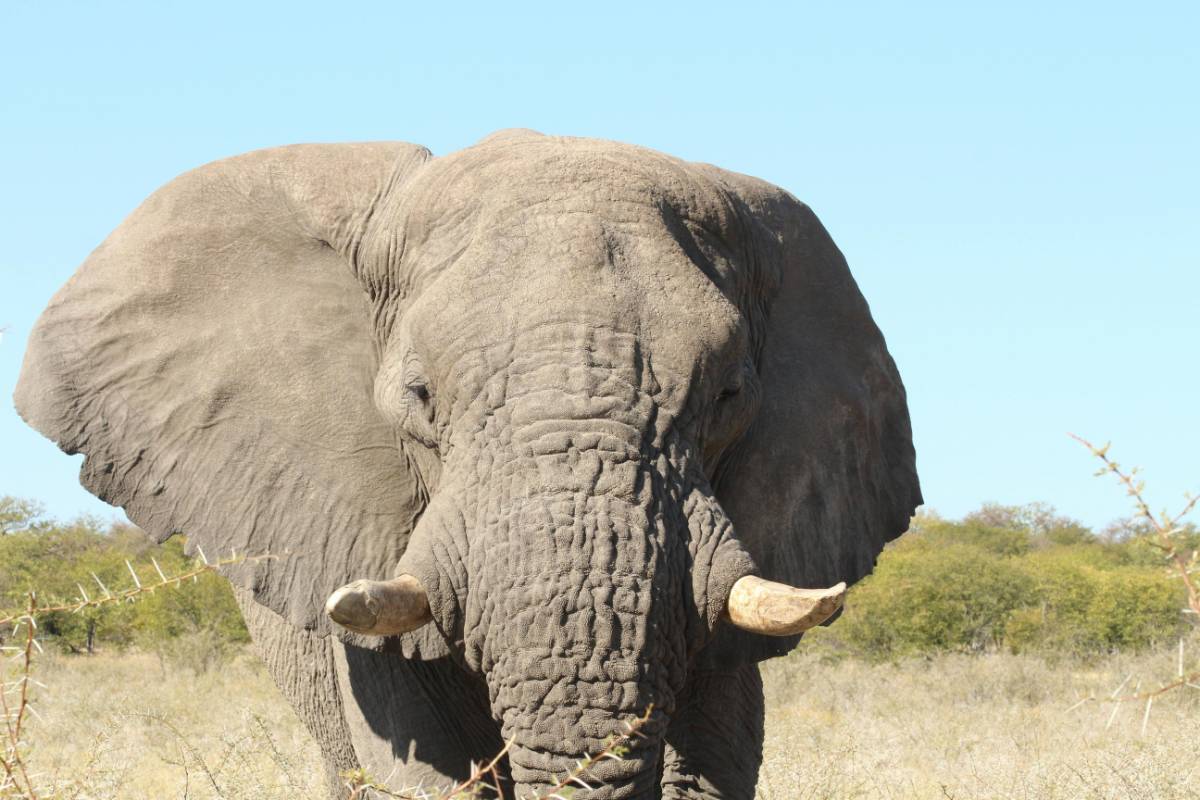
Africa is known for its incredible wildlife, and a safari is one of the best ways to experience the continent's natural beauty and rich biodiversity. From the majestic "Big Five" to unique bird species, Africa offers some of the world’s best wildlife viewing opportunities. Here are the top safari destinations that you should consider for your next adventure.1316a.jpg***Serengeti National Park, TanzaniaThe Serengeti is one of the most famous safari destinations in the world, and for good reason. It’s home to the Great Migration, where millions of wildebeests, zebras, and gazelles make their way across the plains in search of food and water. The park offers year-round wildlife viewing, with excellent opportunities to see the Big Five—lion, elephant, buffalo, leopard, and rhinoceros—along with cheetahs, giraffes, and various bird species.A visit to Serengeti National Park offers a true African safari experience, with luxurious lodges and tented camps offering both comfort and an up-close view of the wildlife.***Maasai Mara National Reserve, KenyaLocated in southwestern Kenya, the Maasai Mara is another iconic destination for safari enthusiasts. It’s particularly famous for the annual migration of wildebeests and zebras from the Serengeti to the Mara. During the migration, you can witness dramatic river crossings and predation by lions, crocodiles, and other predators.The Maasai Mara is also home to abundant wildlife, including elephants, giraffes, buffaloes, and various antelope species. Additionally, it offers a glimpse into the Maasai culture, with opportunities to visit local villages and learn about their traditional way of life.1316b.jpg***Kruger National Park, South AfricaKruger National Park is one of the largest game reserves in Africa and offers a fantastic safari experience with a wide variety of wildlife. The park is home to over 500 species of birds and is a haven for the Big Five. Kruger is particularly known for its excellent infrastructure, with a range of lodges and camps catering to different budgets.In addition to game drives, Kruger offers guided walking safaris where visitors can get an up-close view of smaller wildlife and learn about the ecosystem from expert guides. The park’s accessibility and vast array of wildlife make it a top choice for safari-goers.***Okavango Delta, BotswanaThe Okavango Delta is a unique inland delta and one of the most beautiful safari destinations in Africa. The delta is a UNESCO World Heritage site and offers an exciting mix of traditional game drives and boat safaris. Visitors can see elephants, lions, leopards, hippos, and crocodiles in this lush, water-filled landscape.During seasonal flooding, the delta transforms into a paradise for wildlife, attracting hundreds of bird species and large herds of herbivores. A mokoro (dugout canoe) ride through the delta is a unique way to experience its beauty and spot wildlife from a different perspective.***Chobe National Park, BotswanaChobe National Park is best known for its large elephant population, which is among the largest in Africa. The park is located in northern Botswana and offers a mix of game drives, boat safaris, and bird watching. It’s also home to a wide range of other wildlife, including buffalo, lions, leopards, and crocodiles.Chobe is unique in that it offers both land and water-based safari experiences. A boat cruise along the Chobe River is an incredible way to see wildlife up close, especially elephants as they drink from the riverbank.***Etosha National Park, NamibiaEtosha National Park is located in northern Namibia and is one of the best places to see wildlife in the country. The park is home to a vast salt pan that makes it easy to spot animals as they gather around waterholes. You can expect to see elephants, lions, giraffes, and rhinos, as well as a wide variety of bird species.Etosha offers a unique safari experience with its stunning landscapes and abundant wildlife. The park has a number of campsites and lodges that provide excellent views of waterholes, where you can relax and watch animals come and go throughout the day.***Addo Elephant Park, South AfricaLocated near Port Elizabeth, Addo Elephant Park is famous for its large elephant population and is home to over 600 elephants. The park also offers a diverse range of wildlife, including lions, leopards, buffaloes, and various antelope species.Addo Elephant Park provides excellent self-drive safari opportunities, and visitors can explore the park at their own pace. It’s a great destination for families, as the park is easily accessible and offers educational programs for children.***ConclusionAfrica’s safari destinations offer unparalleled wildlife viewing opportunities, each with its unique landscapes and ecosystems. Whether you’re exploring the Serengeti’s Great Migration, observing elephants in Chobe, or experiencing the diversity of Kruger National Park, there’s a safari experience to suit every traveler. Be sure to plan ahead, choose your destination based on the wildlife you want to see, and prepare for a truly unforgettable adventure in the wilds of Africa.
By John Michael Smith · 11 May 2026

Traveling with infants and toddlers requires extra preparation, patience, and flexibility. Whether you're embarking on a road trip or flying across the globe, here are some essential tips to make the experience smoother for both you and your little ones.1315a.jpg***Plan AheadBefore you start packing, make sure to research your destination and the available facilities for families with young children. Look for accommodations that are child-friendly and check if there are any local services or activities suited for infants and toddlers.Planning ahead also means considering the length of your trip and how your child will handle travel. If you’re flying, try to book a flight during your child’s nap time or at a time when they’re most likely to sleep.***Pack Plenty of Snacks and DrinksPacking snacks and drinks is essential when traveling with infants and toddlers. Make sure to bring enough snacks for the entire journey, as kids can get hungry between meals. Choose non-messy snacks like crackers, fruit pouches, and granola bars to keep them satisfied.For younger children, bring plenty of formula, breast milk, or bottles of water. Many airports and travel stations offer water fountains, but having your own supply ensures you're prepared if water is unavailable.***Bring EntertainmentLong journeys can quickly become boring for little ones, so it’s important to pack some entertainment to keep them occupied. For toddlers, consider bringing small toys, coloring books, or travel-friendly games. Tablets with preloaded videos or educational apps can be a lifesaver during long flights or car rides.If your child is younger, don’t forget a favorite blanket, stuffed animal, or pacifier to provide comfort during the trip. Familiar items can help ease anxiety and make the journey feel more secure.1315b.jpg***Dress ComfortablyWhen traveling with infants and toddlers, comfort is key. Dress your child in comfortable clothes that are easy to move in and weather-appropriate. Layers are also a good option, as they can help you adjust to temperature changes in different environments.If you're flying, avoid clothes with complicated fasteners that could be difficult to manage during security checks. Also, consider packing a spare set of clothes in case of spills, accidents, or other mishaps.***Take Frequent BreaksIf you’re traveling by car, plan to take frequent breaks during the journey. Babies and toddlers need to move around to stretch their legs and avoid becoming restless. Stop at rest areas to let them play and get some fresh air before continuing your trip.When flying, consider booking longer layovers to give your child a chance to move around and burn off some energy before the next flight. Many airports now have play areas for children, so make use of these spaces if you can.***Prepare for Security and Check-InAirport security and check-in can be daunting when traveling with young children. Be sure to arrive early so you have time to navigate the process without feeling rushed.At security, be prepared to carry your infant or toddler through the scanner. If your child is too young to walk, make sure you have a carrier or stroller for them. Liquids like formula, breast milk, and baby food are allowed, but you may need to present them for inspection.***Bring Baby GearDon’t forget essential baby gear like strollers, car seats, and baby carriers. Many airlines allow you to check these items for free or bring them onboard. Consider renting baby gear at your destination to lighten your load, especially if you’re traveling overseas.Make sure your stroller is lightweight and easy to fold for convenience during security and boarding. A baby carrier or sling is also great for hands-free movement when navigating airports or sightseeing.***Monitor Your Child’s HealthTraveling can disrupt your child’s routine and affect their health. Ensure they’re getting enough rest and staying hydrated throughout the trip. If your child is still breastfeeding or bottle-feeding, try to maintain their usual feeding schedule as much as possible.Bring any necessary medications, such as infant pain relievers or allergy medicine, in your carry-on bag in case of emergencies. It's also a good idea to have a thermometer, baby wipes, and hand sanitizer on hand to keep your little one comfortable and healthy.***Be Patient and FlexibleTraveling with young children can be unpredictable, so it’s essential to stay patient and flexible. Your child may get fussy, tired, or need extra attention during the journey, but try to stay calm and go with the flow.Allow extra time for everything—boarding, security checks, and bathroom breaks. If something doesn’t go as planned, don’t stress. Remember, the journey is part of the experience, and flexibility is key to making it through.***ConclusionTraveling with infants and toddlers may present some challenges, but with a little preparation and patience, it can also be a rewarding experience. By following these tips and being mindful of your child’s needs, you can ensure a smoother and more enjoyable trip for the whole family. So, pack your bags, prepare for the journey, and create lasting memories with your little one.
By Stefen · 10 May 2026

Traveling requires careful preparation, and having the right essentials with you can make all the difference in your trip. From personal items to tech gadgets, here’s the ultimate travel checklist to ensure you don’t leave home without these crucial items.1314a.jpg***Important DocumentsBefore you start packing, make sure you have all your essential documents in order. This includes your passport, travel visas (if necessary), airline tickets, hotel reservations, and any other paperwork required for your trip.It’s a good idea to make copies of these documents and store them separately, either digitally or in a separate location. You might also want to consider using a travel document organizer to keep everything in one place and easily accessible.***Clothing and AccessoriesPack versatile clothing that can be mixed and matched for different activities and weather conditions. Don’t forget items like underwear, socks, and sleepwear. Depending on your destination, make sure to bring appropriate outerwear, such as jackets, scarves, or swimwear.It’s also a good idea to bring comfortable shoes for walking and any specific footwear needed for your activities, like hiking boots or sandals. Accessories such as hats, sunglasses, and a belt can also enhance your travel wardrobe.***Toiletries and Personal CareA well-stocked toiletry bag is essential for maintaining your personal hygiene during your travels. Include items like toothpaste, a toothbrush, deodorant, shampoo, conditioner, soap, and any other daily essentials you use.Consider travel-sized versions of your products to save space and comply with airline regulations. Don’t forget sunscreen, lip balm, and any medication you may need during your trip.1314b.jpg***Tech Gadgets and ElectronicsIn today’s digital age, staying connected and capturing memories is easier than ever. Bring along a smartphone, charger, and any necessary accessories like headphones or a portable power bank. If you’re planning to take lots of photos or videos, consider packing a camera or extra memory cards.Other tech essentials might include a travel adapter (if needed), tablet or e-reader, and a laptop or other devices depending on your needs. Always make sure to pack your chargers and cables in a convenient, organized way.***Money and Payment MethodsIt’s important to carry a mix of payment methods while traveling, including cash, credit cards, and a travel money card if necessary. Always keep some local currency on hand for small purchases or in case you visit areas with limited access to ATMs.Before leaving, notify your bank about your travel plans to avoid any issues with card usage abroad. Consider using a money belt or a travel wallet to keep your funds safe and easily accessible.***First Aid KitWhile you may not need it often, a basic first aid kit is an essential item to have in case of emergencies. Include bandaids, pain relievers, antiseptic wipes, and any prescription medication you may need.Also, pack any over-the-counter remedies you use regularly, such as allergy medication, motion sickness tablets, or digestive aids. It’s always better to be prepared for unexpected health issues while traveling.***Snacks and WaterHaving snacks on hand is especially important during long travel days. Pack some non-perishable snacks like nuts, protein bars, or granola bars to keep you energized on the go.A reusable water bottle is also an essential item, especially if you’re traveling to a destination where clean drinking water may not always be available. Staying hydrated is crucial, so make sure you fill up your bottle before embarking on any journey.***Travel Comfort ItemsLong flights, train rides, or bus trips can be uncomfortable, so it’s important to bring a few items to make your journey more pleasant. A travel pillow, blanket, and eye mask can help you sleep during transit, while noise-canceling headphones can make it easier to relax in noisy environments.Consider packing a pair of compression socks to improve circulation during long-haul travel or any specific comfort items you may need based on your preferences.***Packing and Organization ToolsOrganization is key when it comes to efficient packing. Use packing cubes to keep your clothes organized and make it easier to find what you need. A toiletry bag with compartments can keep your personal care items in order and prevent leaks.Consider bringing a laundry bag for dirty clothes, and use ziplock bags to store any liquids or items that could potentially leak during travel.***ConclusionWith the right essentials in tow, you can ensure a smooth and enjoyable trip. By checking off the items on this ultimate travel checklist, you’ll be well-prepared for any adventure. So, pack up, check your list, and get ready for a memorable journey, knowing that you’ve got everything you need to make the most of your travels.
By Christopher David Wilson · 09 May 2026
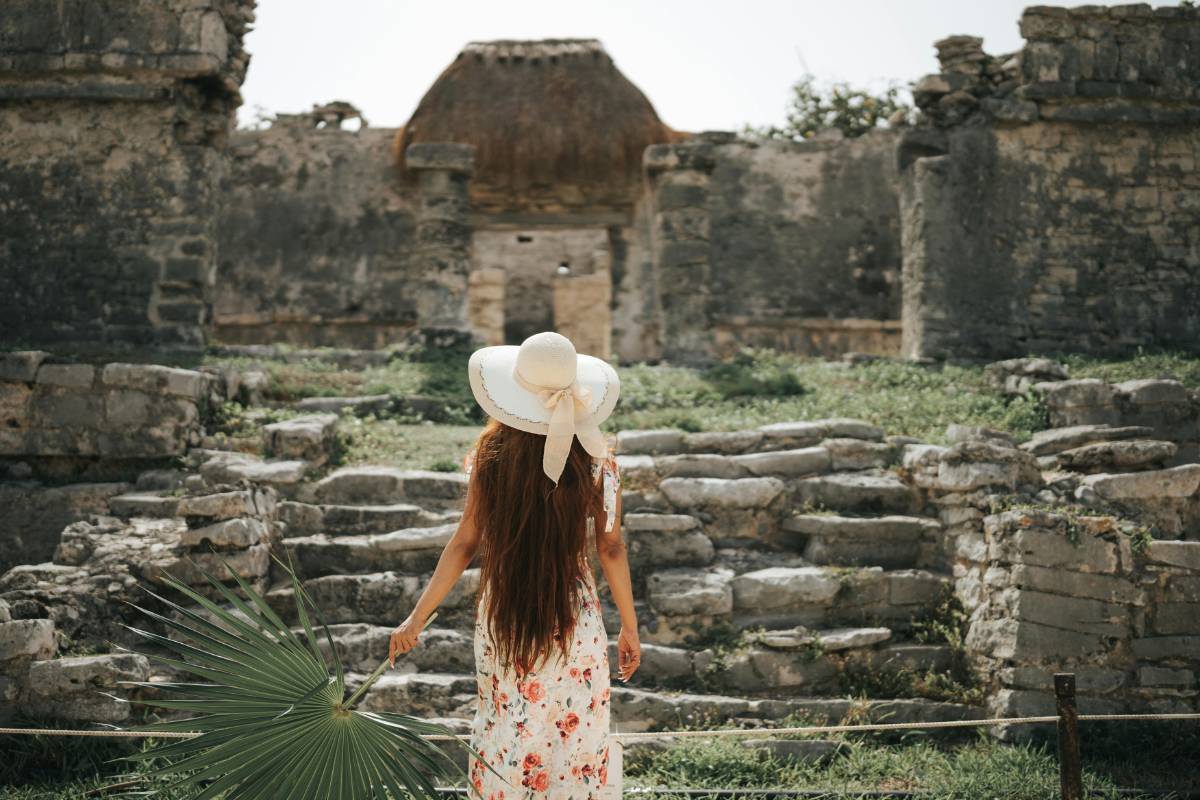
For history buffs and adventure seekers alike, ancient ruins offer a fascinating glimpse into the past. From grand temples to forgotten cities, these archaeological sites tell stories of civilizations that once thrived. Here are some of the top archaeological destinations where you can walk through history and marvel at the remnants of ancient cultures.1313a.jpg***Machu Picchu, PeruMachu Picchu, one of the most iconic archaeological sites in the world, is a must-visit for history enthusiasts. Perched high in the Peruvian Andes, this ancient Inca city is renowned for its breathtaking views and intricate stone structures. Thought to have been built in the 15th century, Machu Picchu is a marvel of Inca engineering and culture.The site includes temples, plazas, terraces, and a stunning network of stone-built paths. Visitors can hike the Inca Trail or take a train to reach the site, where they can learn about Inca history and culture while exploring its mystical ruins.***Pompeii, ItalyPompeii, the ancient Roman city that was famously destroyed by the eruption of Mount Vesuvius in 79 AD, offers an unparalleled look into daily life during the Roman Empire. The preserved ruins of Pompeii, buried under ash for centuries, provide an incredible snapshot of ancient Roman culture.Visitors can stroll through the city’s streets, explore well-preserved homes, bathhouses, and even ancient storefronts. The frescoes, mosaics, and artifacts uncovered in Pompeii give visitors a unique opportunity to learn about Roman society before the catastrophic eruption altered the course of history.***The Pyramids of Giza, EgyptThe Pyramids of Giza are among the most recognizable ancient structures in the world. These monumental tombs, built for pharaohs thousands of years ago, stand as a testament to Egypt’s advanced engineering and architectural prowess.Visitors can explore the Great Pyramid of Giza, the largest of the three pyramids, as well as the Sphinx, which is an iconic symbol of ancient Egyptian civilization. The pyramids’ massive scale and intricate designs make them a must-visit for anyone interested in ancient history.1313b.jpg***Petra, JordanPetra, known as the “Rose City” for the color of its rock-cut architecture, is one of the most famous archaeological sites in the Middle East. This ancient city, carved into the cliffs of southern Jordan, was once a thriving trade hub and the capital of the Nabataean Kingdom.Visitors can explore the stunning structures and tombs, including the Treasury (Al-Khazneh), which is one of the most famous and photographed buildings in the world. Petra is a UNESCO World Heritage Site and offers a fascinating glimpse into the culture and engineering skills of the ancient Nabataeans.***Chichen Itza, MexicoChichen Itza is one of the most significant Mayan ruins in Mexico and a UNESCO World Heritage Site. Located on the Yucatán Peninsula, the ancient city was once the center of the Mayan civilization and features iconic structures such as the El Castillo pyramid, a marvel of astronomical engineering.The site is home to a series of temples, ball courts, and a cenote (natural sinkhole) used for religious ceremonies. Chichen Itza is an important site for understanding the Mayan civilization’s scientific achievements, cultural practices, and impressive architecture.***Angkor Wat, CambodiaAngkor Wat is the largest religious monument in the world and a symbol of Cambodia’s cultural heritage. Originally built as a Hindu temple in the 12th century, Angkor Wat later became a Buddhist temple and is renowned for its stunning bas-reliefs, intricate carvings, and expansive layout.Visitors can explore the temple’s many galleries, towers, and courtyards, marveling at the detailed artwork and architecture. The surrounding Angkor Archaeological Park is home to many other remarkable ruins, making it a prime destination for history buffs and archaeologists alike.***The Acropolis, GreeceThe Acropolis in Athens is one of the most famous archaeological sites in the world and a symbol of Ancient Greece’s influence on Western civilization. The Parthenon, dedicated to the goddess Athena, is the centerpiece of the site and is considered a masterpiece of classical architecture.Visitors can explore the temples, theaters, and other structures atop the Acropolis hill, while learning about Greece’s ancient cultural and philosophical contributions. The views of Athens from the Acropolis are also a highlight of any visit.***ConclusionExploring ancient ruins is like stepping back in time and witnessing history come alive. These archaeological sites offer unique insights into the lives of ancient civilizations and their remarkable achievements. Whether you’re wandering through the streets of Pompeii, marveling at the grandeur of the Pyramids, or discovering the hidden treasures of Petra, these ruins provide unforgettable experiences for history enthusiasts around the world.
By Robert Anthony Brown · 08 May 2026

In today’s fast-paced, technology-driven world, a digital detox has become essential for mental clarity and overall well-being. Disconnecting from screens and social media can help you reset, recharge, and reconnect with the world around you. Here are some of the best destinations for a digital detox, where you can escape from the digital noise and focus on personal rejuvenation.1312a.jpg***Faroe Islands, DenmarkThe Faroe Islands, located in the North Atlantic Ocean, offer a serene escape from technology. With its rugged landscapes, dramatic cliffs, and picturesque villages, this remote archipelago provides the perfect environment for a digital detox. Here, you can immerse yourself in nature, hike to breathtaking viewpoints, and enjoy the quiet solitude of the islands.Known for its minimal distractions, the Faroe Islands encourage visitors to disconnect from technology and experience the beauty of nature in its purest form. Whether you’re exploring the vibrant grass-roofed houses or admiring the spectacular waterfalls, this destination promises a peaceful retreat.***Costa Brava, SpainFor those seeking a tranquil beachside escape, Costa Brava in Spain offers a blend of Mediterranean charm and natural beauty. With its secluded beaches, quaint fishing villages, and lush landscapes, Costa Brava is an ideal place to unplug and relax.You can explore charming coastal towns like Tossa de Mar or Calella de Palafrugell, where you can stroll along peaceful shores, enjoy local seafood, and disconnect from the digital world. The relaxed pace of life here encourages visitors to take a break from screens and focus on mindfulness.***Sedona, Arizona, USASedona, known for its striking red rock formations and energy vortexes, is a haven for those seeking both adventure and spiritual rejuvenation. Whether you’re hiking through its scenic trails or participating in a wellness retreat, Sedona offers a peaceful environment for a digital detox.The town is renowned for its healing energy, and many visitors come to relax, meditate, and unplug from their digital lives. Surrounded by nature, you can reconnect with yourself while enjoying the beauty and tranquility of the desert landscape.1312b.jpg***Bali, IndonesiaBali, often associated with yoga, wellness retreats, and serene beaches, is the ultimate destination for a digital detox. With its lush rice terraces, calming beaches, and spiritual atmosphere, Bali offers the perfect environment for relaxation and mindfulness.Many wellness resorts and retreats in Bali offer digital detox programs, where guests are encouraged to leave their phones behind and focus on self-care activities like yoga, meditation, and spa treatments. The island’s peaceful vibe and spiritual energy provide an excellent backdrop for disconnecting and recharging.***BhutanBhutan is one of the world’s most unique travel destinations, offering a peaceful retreat where you can immerse yourself in nature and local culture. The country has long embraced a philosophy of happiness over material wealth, and it’s reflected in its tranquil landscapes and laid-back atmosphere.In Bhutan, you can visit ancient monasteries, hike through pristine forests, and practice mindfulness in serene surroundings. The country’s remote location and focus on cultural preservation make it an ideal place to disconnect from the hustle and bustle of modern life.***The Azores, PortugalThe Azores, an archipelago of nine islands in the North Atlantic Ocean, offers a stunning environment for a digital detox. With its volcanic landscapes, lush greenery, and crystal-clear lakes, the Azores provide the perfect setting to disconnect and reconnect with nature.Known for its eco-tourism and laid-back lifestyle, the Azores encourage outdoor activities like hiking, whale watching, and exploring the islands' natural hot springs. Here, you can unplug, breathe in the fresh air, and rejuvenate amidst the beauty of untouched landscapes.***Norway’s Lofoten IslandsThe Lofoten Islands in Norway are a remote paradise known for their dramatic fjords, picturesque fishing villages, and northern lights. This northernmost destination offers the ideal setting for a digital detox, where visitors can escape from the constant buzz of technology and immerse themselves in nature.Whether you’re kayaking through crystal-clear waters, hiking through lush forests, or simply gazing at the midnight sun, the Lofoten Islands provide the ultimate getaway for those looking to unplug and reset.***ConclusionTaking time for a digital detox is essential for recharging and reconnecting with the world around us. Whether you choose the remote beauty of the Faroe Islands, the serene landscapes of Bali, or the peaceful energy of Bhutan, these destinations offer the perfect environments for unwinding and rejuvenating. Escape the digital noise, embrace nature, and return to yourself with a refreshed perspective on life.
By Stefen · 07 May 2026
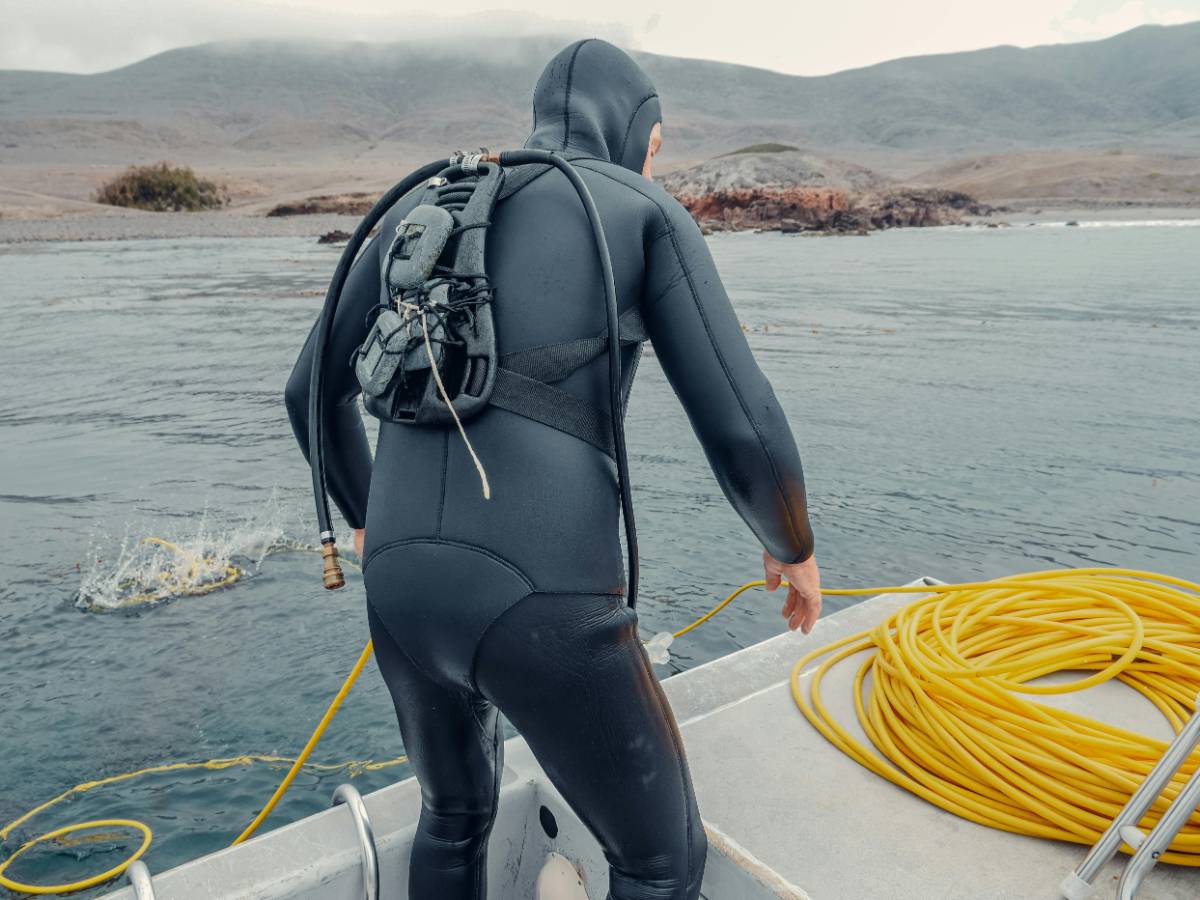
Adventure sports offer an exhilarating way to explore the world, providing both adrenaline and unforgettable experiences. Whether you're looking to conquer the skies, dive into the deep blue, or tackle rugged terrain, there are countless adventure sports to try across the globe. Here’s a guide to some of the most thrilling adventure sports around the world.1311a.jpg***SkydivingSkydiving is one of the most exhilarating adventure sports, offering a unique perspective of the world below. Jumping from thousands of feet in the air, you’ll experience freefall before deploying your parachute and gliding to the ground. Some of the best places to skydive include:Interlaken, Switzerland: Known for its stunning alpine views, Interlaken offers skydiving over some of the most breathtaking landscapes in the world.Dubai, UAE: Skydiving over the Palm Jumeirah provides a one-of-a-kind view of the iconic man-made island and the vast desert beyond.Australia: The Great Barrier Reef is not only a haven for scuba divers but also offers skydiving with a view of the world’s largest coral reef system.***Scuba DivingScuba diving lets you explore the underwater world, from colorful coral reefs to mysterious shipwrecks. Whether you're a beginner or an experienced diver, there are plenty of destinations that cater to all levels. Here are some top scuba diving spots around the world:The Great Barrier Reef, Australia: One of the most famous diving destinations, the Great Barrier Reef offers vibrant coral gardens, diverse marine life, and crystal-clear waters.Blue Hole, Belize: A massive underwater sinkhole, the Blue Hole offers an incredible dive with deep blue waters and an abundance of marine species, including sharks.Palau, Micronesia: Known for its incredible biodiversity, Palau offers pristine coral reefs and the chance to dive with jellyfish, sharks, and sea turtles.1311b.jpg***Bungee JumpingFor those looking for a thrill from great heights, bungee jumping is an exciting adventure sport. Jumping from a bridge or platform attached to a bungee cord, you’ll experience an intense freefall followed by a bouncing ascent. Popular bungee jumping locations include:Queenstown, New Zealand: Known as the adventure capital of the world, Queenstown is home to the first-ever commercial bungee jump at the famous Kawarau Bridge.Victoria Falls, Zambia/Zimbabwe: For the truly adventurous, bungee jumping from the Victoria Falls Bridge provides a stunning view of one of the world's most famous waterfalls.Macao Tower, China: One of the highest bungee jump locations in the world, Macao Tower offers an adrenaline-pumping jump from 764 feet above the ground.***ParaglidingIf you're looking for a sport that combines adventure with the beauty of the natural world, paragliding offers the perfect mix. Soaring through the air with just a parachute-style wing, paragliding gives you a bird’s-eye view of the landscape below. Top paragliding destinations include:Pokhara, Nepal: Paragliding in the Himalayan foothills offers stunning views of the mountains, lakes, and valleys.Interlaken, Switzerland: Known for its adventure sports, Interlaken offers paragliding with breathtaking views of the Swiss Alps.***Mountain BikingFor those who love to combine adventure with nature, mountain biking provides an adrenaline-fueled way to explore rugged terrains. From downhill racing to cross-country trails, mountain biking offers something for everyone. Some of the best destinations for mountain biking include:Whistler, Canada: Famous for its bike park, Whistler offers a variety of trails that cater to all skill levels, from beginners to advanced riders.Moab, USA: Known for its red rock landscapes, Moab offers thrilling desert trails and challenging uphill rides.***Rock ClimbingRock climbing is a physically demanding sport that requires strength, technique, and endurance. Whether you’re climbing indoor walls or scaling outdoor cliffs, it’s a great way to challenge yourself. Some of the world’s best rock climbing destinations include:El Capitan, USA: Located in Yosemite National Park, El Capitan is a world-famous granite monolith and a coveted destination for experienced rock climbers.Kalymnos, Greece: Known for its stunning limestone cliffs, Kalymnos offers a variety of climbing routes with views of the Mediterranean Sea.***SurfingSurfing is another popular adventure sport that attracts thrill-seekers to beaches all over the world. Whether you’re a beginner catching small waves or an expert riding huge swells, surfing provides a rush like no other. Top surfing spots include:Pipeline, Hawaii: One of the world’s most famous surf breaks, Pipeline offers incredible waves and is known for its challenging conditions.Jeffrey’s Bay, South Africa: This iconic surf spot offers perfect waves for surfers of all levels, with long rides and great barrel sections.***ConclusionAdventure sports are a fantastic way to add excitement and adrenaline to your travels. Whether you’re skydiving in Dubai, scuba diving in Australia, or bungee jumping in New Zealand, the world is full of thrilling activities that will leave you with unforgettable memories. So, pack your gear, take a leap of faith, and start exploring the world through these adventure sports.
By John Michael Smith · 06 May 2026