

Confident travel in 2026 depends on preparation, timing, and smart decision-making—not guesswork. From navigating airports efficiently to choosing the right accommodations and avoiding common pitfalls, travelers who understand how systems work can reduce stress, save time, and move through their journey with greater ease and control.***Understanding Modern Travel ComplexityTravel today involves more variables than ever before, including dynamic pricing, increased passenger volume, and evolving airport procedures. Travelers who approach trips with a clear plan are more likely to avoid delays, confusion, and unnecessary expenses.Confidence in travel comes from preparation. Knowing what to expect at each stage—from airport check-in to hotel arrival—helps reduce uncertainty and improves the overall experience.***Navigating Airports EfficientlyAirports are often the most stressful part of any trip. Long lines, security checks, and gate changes can quickly disrupt plans if not managed properly.Arriving 90–120 minutes early for domestic flights and up to three hours early for international travel provides a safe buffer. Using mobile boarding passes, enrolling in fast-track programs, and organizing documents in advance can significantly reduce wait times.***Packing and Carry-On StrategyEfficient packing plays a major role in smooth travel. Carry-on-only strategies help travelers avoid baggage fees and eliminate the risk of lost luggage.Ar202659.webpKeeping essential items—such as documents, medications, and electronics—within easy reach ensures faster security checks and greater convenience during the journey.***Handling Flight Delays and DisruptionsFlight delays are common, but travelers who stay informed can minimize their impact. Airline apps provide real-time updates and allow for quick rebooking when needed.Booking early flights reduces the likelihood of cascading delays, while understanding airline policies helps travelers respond quickly when disruptions occur.***Planning Ground TransportationTransportation after landing is often overlooked but can affect both time and cost. Comparing options such as public transit, rental cars, and rideshare services in advance helps travelers make better decisions.In cities with strong public transportation systems, using trains or buses is often more efficient. In car-dependent areas, pre-booking a rental vehicle may be more cost-effective than relying on rideshare services.***Choosing the Right AccommodationAccommodation decisions influence both comfort and convenience. Proximity to key locations, access to transportation, and flexible booking policies are more important than simply choosing the lowest price.Ar202660.webpHotels near transit hubs or central areas can reduce commuting time and improve the overall flow of the trip.***Streamlining Hotel Check-InModern hotels offer digital check-in options that reduce wait times and improve efficiency. Travelers who check in online and confirm details in advance can avoid long lines at the front desk.Keeping identification and booking confirmations readily available ensures a smooth arrival process.***Managing Energy and ComfortTravel can be physically demanding, especially during long journeys. Staying hydrated, eating balanced meals, and allowing time for rest can improve both comfort and decision-making.Avoiding overly packed itineraries helps maintain energy levels and reduces stress throughout the trip.***Using Technology StrategicallyTravel apps provide valuable support for navigation, booking, and itinerary management. However, relying too heavily on technology without understanding the underlying processes can lead to poor decisions.Using tools for tracking flights, accessing maps, and managing reservations is effective when combined with awareness and planning.***Maintaining Safety AwarenessStaying safe while traveling does not require complicated measures. Simple habits such as keeping documents secure, avoiding distractions in crowded areas, and staying aware of surroundings can prevent most issues.Confidence comes from awareness, not overreaction.***Building a Reliable Travel RoutineExperienced travelers rely on consistent routines rather than one-time tricks. Packing checklists, organized documents, and pre-trip research create a system that works across different destinations.Over time, these habits reduce stress and allow travelers to focus more on the experience rather than logistics.https://www.youtube.com/watch?v=TCy_vbiZi2U&pp=ygUmMS4gSG93IHRvIE5hdmlnYXRlIEFpcnBvcnRzIExpa2UgYSBQcm8%3D***ConclusionNavigating travel with confidence is about preparation, flexibility, and understanding how each part of the journey works. Travelers who plan ahead, stay informed, and make thoughtful decisions are better equipped to handle challenges and enjoy a smoother, more efficient travel experience.By applying reliable travel strategies across airports, transportation, accommodations, and daily routines, it becomes easier to move through any trip with clarity and confidence.
By Robert Anthony Brown · 17 May 2026
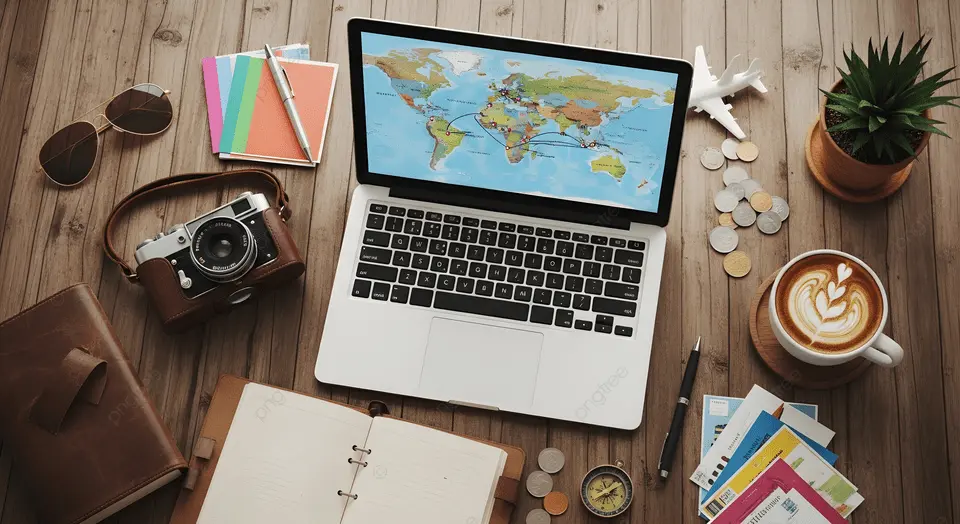
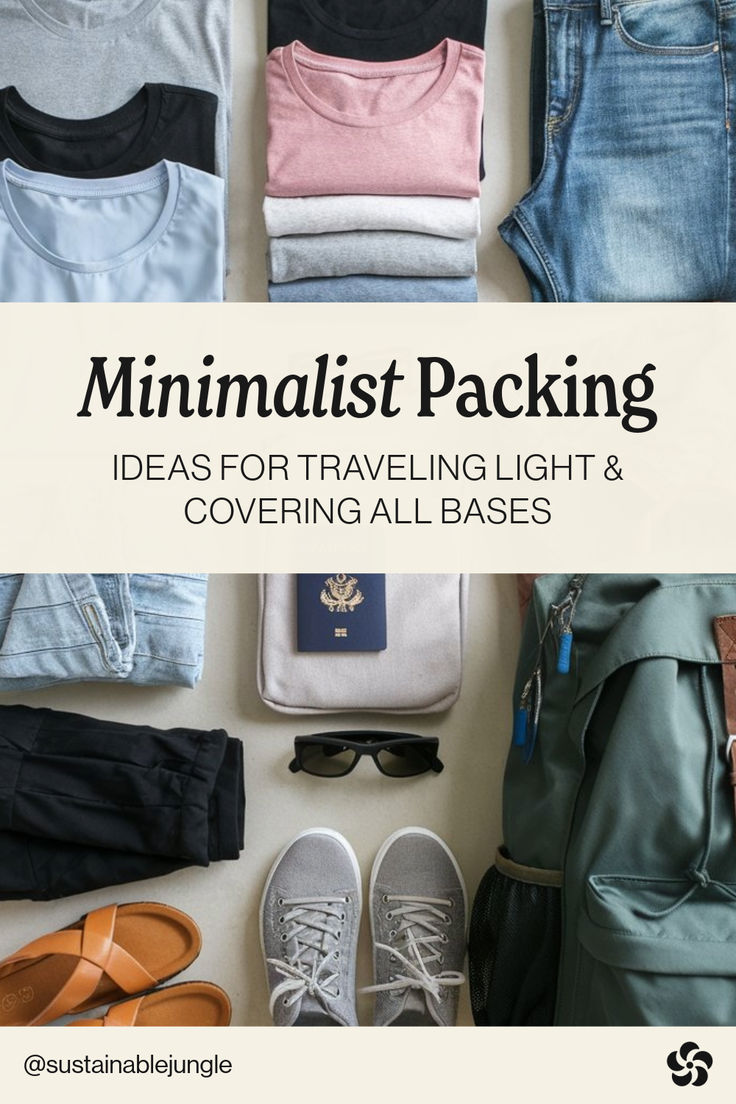
Travel planning today is less about rigid schedules and more about making small, intentional adjustments that improve comfort and save time. By focusing on smarter timing, efficient organization, and realistic expectations, travelers can significantly reduce stress and enjoy smoother, more predictable trips without increasing their budget.***Why Small Adjustments MatterMany travelers assume better trips require bigger budgets, but most discomfort actually comes from overlooked details like poor timing, overpacking, or unrealistic itineraries. Small improvements—such as choosing better flight times or organizing essentials—can dramatically improve the overall experience.Instead of upgrading everything, focusing on removing friction points often leads to more noticeable improvements in comfort and efficiency.***Choosing Better Flight TimingFlight timing has a direct impact on how smoothly your trip begins. Early morning departures tend to experience fewer delays, while midweek flights are often less crowded and easier to manage.Avoiding tight layovers is equally important. Giving yourself enough connection time reduces stress and minimizes the risk of missed flights, especially in busy airports.Ar202656.webp***Packing for EfficiencyPacking is not just about bringing fewer items—it’s about organizing what you carry. Using packing cubes, keeping essentials accessible, and preparing a carry-on with key items can save time during transit.Well-organized luggage reduces the need to search for items repeatedly and makes airport security checks quicker and less stressful.***Improving the Airport ExperienceAirports are a major source of delays and stress, but small changes can improve the experience. Arriving at the right time, using mobile boarding passes, and preparing documents in advance can save valuable minutes.Frequent travelers can also benefit from expedited security programs, which significantly reduce wait times and improve overall efficiency.***Building Realistic ItinerariesOverplanning often leads to exhaustion rather than enjoyment. Instead of filling every hour, focus on one or two main activities per day and leave room for flexibility.This approach allows you to adapt to unexpected opportunities, rest when needed, and avoid the pressure of rushing between locations.***Choosing the Right LocationWhere you stay affects how much time you spend commuting. Accommodations near key attractions or public transportation hubs can reduce daily travel time and improve convenience.While central locations may cost slightly more, they often save both time and transportation expenses over the course of a trip.***Smarter Transportation ChoicesTransportation decisions should match the destination. In cities with strong public transit systems, using trains or buses is often the most efficient option.Ar202657.webpIn areas with limited transit, renting a car or combining multiple transport methods can help maintain flexibility and reduce delays.***Managing Food and BreaksPlanning meals strategically can help maintain energy and avoid long wait times. Identifying reliable dining options in advance and carrying snacks during travel can prevent unnecessary delays.Eating outside peak hours is another simple way to save time and enjoy a more relaxed dining experience.***Using Technology EffectivelyTravel apps can simplify planning, but overuse can lead to unnecessary complexity. Focus on tools that provide real value, such as flight trackers, offline maps, and itinerary organizers.Avoid relying too heavily on notifications or constant updates, which can create decision fatigue during your trip.***Preparing for Unexpected SituationsNo trip goes exactly as planned, so preparation is essential. Keeping backup documents, allowing buffer time, and carrying basic essentials can help you handle disruptions smoothly.These small precautions often prevent minor issues from becoming major inconveniences.https://www.youtube.com/watch?v=E47FGfv14Mc&pp=ygUwMS4gSG93IHRvIFBsYW4gYSBUcmlwIEVmZmljaWVudGx5IChTdGVwLWJ5LVN0ZXAp0gcJCdkKAYcqIYzv***ConclusionTravel comfort and efficiency come from thoughtful planning rather than expensive upgrades. By making small adjustments to timing, organization, and expectations, travelers can create smoother, more enjoyable experiences without increasing their budget.Focusing on what truly impacts comfort—time, convenience, and flexibility—leads to better trips and less stress overall.
By Robert Anthony Brown · 16 May 2026
Travel planning in 2026 goes far beyond setting price alerts. With more tools, choices, and variables than ever, efficiency now comes from smarter systems and overlooked strategies. Travelers who focus on reducing decision fatigue, improving flexibility, and simplifying logistics are able to plan faster, avoid mistakes, and create smoother, more cost-effective trips.***Why Travel Planning Feels More ComplicatedPlanning a trip today involves navigating countless options across flights, hotels, transportation, and activities. While access to information has improved, filtering that information has become the real challenge.Many travelers spend more time comparing options than actually booking. The key to efficiency is not more research, but better structure and decision-making.***Build a Repeatable Travel FrameworkOne of the most effective yet underused hacks is creating a personal planning system. Instead of starting from scratch every time, define your preferred booking tools, accommodation filters, and budgeting rules.Ar202653.webpFor example, consistently choosing hotels with free cancellation and strong location ratings can quickly reduce hundreds of options to a manageable shortlist.***Use Flexible Date SearchesSearching with fixed travel dates can limit your options and lead to higher costs. Flexible date tools reveal pricing trends across multiple days, helping you identify better travel windows.Even shifting your trip by a day or two can significantly reduce costs and improve availability.***Plan Around Constraints FirstInstead of choosing a destination first, start with your constraints—budget, available dates, and trip duration. This approach helps you identify destinations that naturally fit your situation.By aligning your plan with real limitations, you avoid forcing expensive or inefficient travel decisions.***Combine Tools Instead of Relying on OneNo single platform provides the best results for every part of a trip. Efficient travelers use multiple tools for different purposes, such as flight tracking, accommodation comparison, and itinerary management.This layered approach improves accuracy and ensures better overall decisions.***Use Flexible Bookings to Reduce RiskMany airlines and hotels now offer free cancellation or flexible booking options. Taking advantage of these allows you to secure plans early while keeping the ability to adjust later.This strategy reduces stress and protects you from price fluctuations or changing schedules.***Structure Your Research TimeAr202654.webpConstantly checking prices and options can lead to decision fatigue and poor choices. Instead, divide your planning into phases—research, monitoring, and booking.This keeps the process organized and prevents unnecessary overthinking.***Focus on Reducing FrictionTravel inefficiencies often come from inconvenience rather than cost. Long transfers, poor timing, and inconvenient locations can add stress and reduce overall value.Choosing options that minimize friction—even if slightly more expensive—can lead to a better and more efficient travel experience.***Avoid Overplanning with Flexible ItinerariesInstead of filling every hour with scheduled activities, plan one or two key experiences per day and leave room for flexibility.This allows you to adapt based on real-time conditions and enjoy a more relaxed trip.***Track Total Costs in Real TimeRather than estimating your budget at the beginning, track expenses as you plan. Include flights, accommodation, food, transportation, and activities.This helps prevent overspending and ensures your decisions stay aligned with your budget.https://www.youtube.com/watch?v=3QeTdzV4Y0s&pp=ygUwMS4gSG93IHRvIFBsYW4gYSBUcmlwIEVmZmljaWVudGx5IChTdGVwLWJ5LVN0ZXAp***ConclusionEfficient travel planning is about simplifying decisions, not adding more complexity. By using structured systems, flexible strategies, and smarter tools, travelers can reduce stress and improve outcomes.In 2026, the most successful travelers are not those who search the most, but those who plan with clarity and intention.
By Robert Anthony Brown · 15 May 2026
Saving money on travel in 2026 is less about finding obvious discounts and more about understanding how pricing works. Seasoned travelers use subtle booking strategies—like timing, flexibility, and total cost evaluation—to consistently reduce expenses without compromising the experience. These small, informed decisions often lead to meaningful savings across the entire trip.***Why Subtle Strategies MatterTravel pricing today is driven by dynamic systems that adjust based on demand, timing, and user behavior. This means the cheapest option isn’t always visible at first glance. Experienced travelers focus on patterns and positioning themselves to access better prices rather than chasing random deals.Instead of relying on outdated tricks, they pay attention to how prices move and make decisions based on timing and flexibility.Ar202650.webp***Be Flexible With TimingFlexibility is one of the most powerful cost-saving tools. Flights during midweek, early mornings, or late nights are often cheaper because they are less convenient for most travelers.Shifting travel dates by even a day or two can impact not just airfare, but also hotel rates and activity pricing. Avoiding peak travel times like holidays and long weekends can significantly reduce total trip costs.***Understand Booking WindowsBooking too early or too late can lead to higher prices. In most cases, domestic flights are best booked within 3–8 weeks before departure, while international trips are typically cheaper when booked 2–4 months in advance.Rather than rushing to book, seasoned travelers monitor prices over time and act when they see favorable trends.***Use Fare Tracking ToolsFare tracking tools help remove guesswork by monitoring price changes and sending alerts when fares drop. This allows travelers to book based on data instead of assumptions.Tracking multiple date options and routes increases the chances of finding better deals and avoids overpaying due to impulse decisions.***Focus on Total Cost, Not Base PriceA low upfront price can be misleading. Airlines and hotels often add extra fees for baggage, seat selection, parking, or cleaning services.Seasoned travelers always check the final checkout price and compare what is included. A slightly higher base price often provides better overall value when fewer add-ons are required.***Consider Alternative AirportsMajor airports typically have higher fares due to demand. Nearby regional airports can offer lower prices and faster travel experiences.Comparing multiple airports within a reasonable distance can uncover options that reduce both cost and travel stress.Ar202651.webp***Book Hotels StrategicallyWhile booking platforms are useful for comparison, they are not always the best place to finalize reservations. Many hotels offer better rates, perks, or flexibility when booking directly.Seasoned travelers often research on third-party sites but complete bookings through the hotel’s official website or by contacting the property directly.***Bundle When It Makes SenseBundled packages that combine flights and hotels can offer savings, especially for straightforward trips. However, they are not always the best option for flexible or multi-city itineraries.The key is to balance convenience with control, choosing bundling only when it aligns with your travel plans.***Use Rewards StrategicallyLoyalty programs and travel credit cards can help reduce costs, but only when used thoughtfully. Experienced travelers redeem points during peak pricing periods rather than for routine bookings.They also avoid unnecessary spending just to accumulate rewards, focusing instead on maximizing value from existing points.***Stay Flexible and AdaptFlexibility remains one of the most effective ways to save money. Being open to adjusting travel dates, destinations, or accommodations allows travelers to take advantage of better pricing opportunities.Even small changes—like flying a day earlier or staying slightly outside the city center—can lead to noticeable savings.https://www.youtube.com/watch?v=eq6rR_V3QXE&pp=ygUkMS4gSG93IHRvIEZpbmQgQ2hlYXAgRmxpZ2h0cyBpbiAyMDI2***ConclusionThe most effective travel savings strategies are often the least obvious. By focusing on timing, flexibility, and total cost, seasoned travelers consistently spend less without sacrificing quality.These subtle booking strategies add up over time, making travel more efficient, affordable, and enjoyable.
By Robert Anthony Brown · 14 May 2026

Smart travel in 2026 is no longer about chasing the cheapest deals—it’s about making informed decisions that reduce overall costs without sacrificing comfort. Frequent flyers rely on systems, flexibility, and awareness of hidden fees to travel efficiently. Here’s how experienced travelers consistently save money while maintaining a better travel experience.***Think in Terms of Total Cost, Not Just PriceFrequent travelers rarely choose the lowest upfront option. Instead, they evaluate the total cost of a trip, including baggage fees, seat selection, transportation, and time efficiency.A cheaper flight with multiple add-ons and long layovers often costs more than a slightly higher-priced direct flight. Smart travelers prioritize value over price.***Track Flights Instead of GuessingExperienced travelers don’t book flights randomly—they monitor prices using tracking tools. This allows them to identify price drops and book within optimal windows.Flexibility with travel dates, especially midweek departures or early flights, can significantly reduce airfare.***Use Loyalty Programs StrategicallyFrequent flyers maximize airline and hotel loyalty programs to unlock benefits such as free checked bags, upgrades, and flexible cancellations.Ar202647.webpBy consistently using one airline alliance or hotel brand, travelers can accumulate rewards that translate into real savings over time.***Choose Accommodation Based on ValueAccommodation pricing has become more complex with additional service and cleaning fees. Smart travelers compare total costs rather than focusing only on nightly rates.Hotels often provide better value through perks like free breakfast, loyalty rewards, and flexible policies, while staying slightly outside city centers can reduce expenses significantly.***Pack Efficiently to Avoid FeesPacking is one of the simplest ways to cut costs. Frequent flyers travel with carry-on luggage whenever possible to avoid baggage fees.Using packing cubes, wearing heavier items during travel, and choosing versatile clothing helps reduce the need for extra bags.***Use the Right Transportation OptionsInstead of defaulting to taxis or rideshare services, experienced travelers evaluate transportation based on the destination and trip length.Ar202648.webpPublic transit in major cities is often the most cost-effective option, while rental cars may be better for longer stays.***Control Food Costs Without CompromiseFrequent travelers manage food expenses by making strategic choices. Eating lunch instead of dinner at restaurants, shopping at grocery stores, and limiting premium dining experiences can significantly reduce costs.Local markets and casual eateries provide authentic experiences at a lower price point.***Avoid Hidden FeesHidden costs are one of the biggest reasons trips exceed budgets. Frequent flyers carefully review all charges before booking and avoid unnecessary add-ons.They also use travel-friendly credit cards to eliminate foreign transaction fees and reduce extra costs.***Use Technology WiselyTravel apps can help track prices and organize itineraries, but over-reliance can lead to impulse spending. Smart travelers use technology as a support tool, not a decision-maker.Comparing multiple platforms and avoiding urgency-driven purchases leads to better financial decisions.***Bundle When It Makes SenseBundled travel packages can offer cost savings for simple trips by combining flights and accommodations into one price.However, for more complex itineraries, booking each component separately provides greater flexibility and control.***Stay FlexibleFlexibility remains one of the most powerful tools for saving money. Being open to adjusting travel dates, destinations, or plans allows travelers to take advantage of better pricing opportunities.Even small changes in timing can lead to noticeable savings.https://www.youtube.com/watch?v=FTPBNSlBtlE&pp=ygUvMS4gSG93IEZyZXF1ZW50IEZseWVycyBTYXZlIFRob3VzYW5kcyBvbiBUcmF2ZWw%3D***ConclusionSmart travel is about efficiency, awareness, and planning. Frequent flyers don’t necessarily spend less—they spend better. By focusing on total cost, avoiding hidden fees, and making flexible decisions, travelers can consistently reduce expenses while improving their overall experience.
By Robert Anthony Brown · 13 May 2026
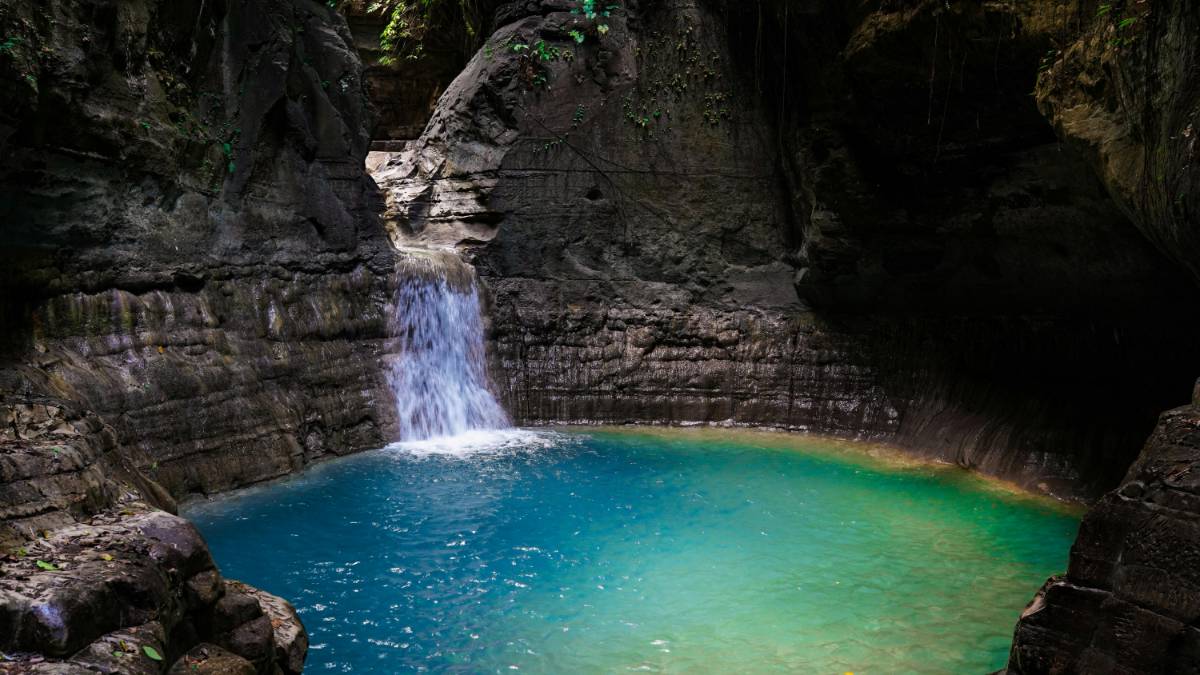
Asia is a vast and diverse continent with an incredible range of cultures, landscapes, and experiences. While popular destinations like Tokyo, Bangkok, and Bali attract millions of tourists every year, there are countless hidden gems waiting to be explored. These lesser-known destinations offer a more authentic, off-the-beaten-path experience. Here are some of Asia’s hidden treasures that should be on your travel radar.1350a.jpg***Sapa, VietnamNestled in the northern mountains of Vietnam, Sapa is a beautiful region known for its terraced rice fields, stunning views, and rich cultural heritage. The area is home to several ethnic minority groups, including the Hmong and Red Dzao people, who offer visitors a chance to learn about their traditional way of life.While Sapa is becoming more popular, it remains less crowded than other parts of Vietnam, offering a peaceful retreat in the midst of natural beauty. You can trek through the hills, visit local markets, and enjoy the serenity of this picturesque destination.***Kep, CambodiaLocated along Cambodia’s southern coast, Kep is a charming seaside town known for its fresh seafood, particularly the famous crab. Unlike its more bustling neighbor Sihanoukville, Kep has retained its laid-back charm, with beautiful beaches, colonial architecture, and scenic views of nearby islands.Kep is also home to the Kep National Park, which offers hiking trails through lush forests and up to a viewpoint with panoramic views of the coast. It’s the perfect place for those seeking a quiet escape with a taste of Cambodia’s coastal beauty.***Bohol, PhilippinesWhile the Philippines is known for its beautiful islands, Bohol remains a somewhat hidden gem. Located in the central Visayas region, Bohol is famous for its unique Chocolate Hills, a series of grass-covered hills that turn brown during the dry season, creating a landscape unlike any other in the world.In addition to its natural wonders, Bohol is also home to stunning white-sand beaches, crystal-clear waters, and the Tarsier Sanctuary, where visitors can see the world’s smallest primate in its natural habitat. Bohol offers a perfect blend of nature, wildlife, and relaxation.1350b.jpg***Luang Prabang, LaosLuang Prabang, located in northern Laos, is a UNESCO World Heritage town known for its stunning temples, colonial architecture, and tranquil atmosphere. The town sits at the confluence of the Mekong and Nam Khan rivers, surrounded by lush mountains and forests.Luang Prabang offers a peaceful retreat, where visitors can explore Buddhist temples, take part in alms-giving ceremonies, or visit nearby waterfalls. The town’s mix of cultural experiences and natural beauty makes it an ideal destination for those looking to immerse themselves in Laos’ rich history and traditions.***Mount Rinjani, IndonesiaFor adventure seekers, Mount Rinjani on the island of Lombok in Indonesia is an incredible hidden treasure. The second-highest volcano in Indonesia, Mount Rinjani offers a challenging yet rewarding trek to its summit, where hikers can enjoy breathtaking views of the surrounding landscape and the crater lake below.The trek to Mount Rinjani takes several days, but the views from the top are worth every step. Along the way, trekkers can enjoy the island’s natural beauty, including waterfalls, hot springs, and the diverse wildlife that inhabits the slopes of the volcano.***Nagaland, IndiaLocated in the northeastern part of India, Nagaland is a culturally rich and relatively undiscovered region. Known for its vibrant tribal culture, the state is home to a number of indigenous groups with their own unique languages, traditions, and festivals.Nagaland offers an authentic experience for travelers interested in learning about indigenous cultures, traditional handicrafts, and local customs. The Hornbill Festival, held annually in December, is a highlight, offering a chance to witness traditional music, dance, and cultural performances from across the state.***The Gili Islands, IndonesiaWhile Bali often steals the spotlight in Indonesia, the Gili Islands, located off the coast of Lombok, remain a hidden treasure for travelers seeking a more relaxed island experience. The Gili Islands, consisting of Gili Trawangan, Gili Air, and Gili Meno, are known for their clear turquoise waters, vibrant coral reefs, and laid-back atmosphere.The Gili Islands are perfect for snorkeling, diving, or simply lounging on the beach. Without cars on the islands, the peaceful vibe is ideal for those looking to unwind and disconnect from the hustle and bustle of daily life.***ConclusionAsia is home to countless hidden treasures waiting to be explored. From the tranquil mountain landscapes of Sapa to the cultural wonders of Luang Prabang, there are endless destinations that offer a unique and authentic travel experience. Whether you’re seeking adventure, relaxation, or cultural immersion, these lesser-known destinations in Asia are sure to leave you with unforgettable memories.
By Abraham Benjamin · 12 May 2026

Traveling solo as a woman can be an incredibly empowering and enriching experience. It allows you the freedom to explore new places, meet new people, and gain a deeper sense of independence. However, it’s important to be mindful of safety and take steps to ensure a smooth and enjoyable journey. Here’s a guide to help solo female travelers make the most of their adventures.1349a.jpg***Plan Your Trip in DetailBefore you set off on your solo journey, take time to plan your trip thoroughly. Research your destination’s safety, culture, and customs, and make sure to familiarize yourself with the local transportation, accommodation, and emergency services. Knowing where you’re going and how to get there will give you more confidence as you travel.It’s also a good idea to create an itinerary with the main activities and locations you want to visit. Share this itinerary with someone you trust, so they know where you’ll be at all times. Planning ahead ensures that you’re not caught off guard by any surprises during your trip.***Choose Safe and Female-Friendly DestinationsNot all destinations are equally suitable for solo female travelers. When choosing where to go, consider places known for their safety and welcoming attitude towards women. Cities with a high level of female travelers and good public infrastructure are often great choices.Some countries or cities have a reputation for being safer for solo female travelers, such as Scandinavia, Japan, and New Zealand. Avoid traveling to destinations that have higher risks of crime or where women’s rights are not respected.***Pack Smart and LightWhen traveling solo, packing light is essential. You don’t want to be weighed down with unnecessary items, especially if you’ll be navigating busy streets or carrying your bag for long periods of time. Focus on packing the essentials, and make sure to bring versatile clothing that can be worn for different occasions.Also, keep your valuables secure and only bring what you need for the day. Use a crossbody bag or a money belt to carry your important items like your passport, money, and phone. A small lock for your luggage is also a good idea to keep your belongings safe while you're out and about.***Stay Connected and Keep Emergency Numbers HandyOne of the key safety tips for solo female travelers is to stay connected with family or friends back home. Share your location regularly, especially if you’re venturing out to remote areas. You can use travel apps that allow you to share your whereabouts, or simply check in via text or social media.Additionally, make sure to have local emergency numbers saved on your phone and a list of important contacts, such as your accommodation, the nearest embassy, and a local taxi service. Being prepared for emergencies can help you feel more at ease during your trip.***Trust Your Instincts and Stay AwareYour intuition is your best friend when traveling alone. If something feels off, it probably is. Always trust your gut when it comes to situations or people that make you feel uncomfortable. If you're in a place that feels unsafe, remove yourself immediately.Staying aware of your surroundings is also key. Be cautious when using your phone or looking at maps in public places. Avoid getting distracted, especially in busy or unfamiliar areas, and always stay alert to who and what is around you.1349b.jpg***Choose Accommodation WiselyWhen it comes to booking accommodation, choose places that have good reviews, are well-lit at night, and offer secure entry systems. Consider staying in reputable hostels, boutique hotels, or even with locals through platforms like Airbnb, which often provide extra layers of security and are welcoming to solo travelers.Try to avoid staying in areas that are far from the city center or in neighborhoods with a bad reputation. If you’re arriving late at night, always pre-arrange transport from the airport or train station to your accommodation to avoid walking alone in dark areas.***Join Group Tours or ActivitiesSolo travel doesn’t mean you have to be alone all the time. One great way to meet fellow travelers is to join group tours, activities, or classes. Many destinations offer guided tours, cooking classes, or cultural workshops where you can interact with locals and other travelers, which is a great way to make friends and share experiences.These activities can also help you get a deeper understanding of the destination and are a great way to ensure you’re not wandering alone in unfamiliar areas. Being part of a group will provide a sense of security while you explore the sights.***Be Confident and Enjoy the ExperienceOne of the most important aspects of solo travel is enjoying the experience. It’s normal to feel nervous at first, but the more you embrace the adventure and approach it with confidence, the more rewarding it will be. Solo travel allows you to discover yourself, challenge your boundaries, and make unforgettable memories.Be confident in your decisions, stay positive, and enjoy the beauty of the places you visit. Embrace the freedom that comes with traveling alone, and don’t be afraid to step out of your comfort zone to explore the world.***ConclusionSolo female travel can be an incredibly empowering experience when approached with the right mindset and preparation. By following these tips for safety and enjoyment, you’ll be able to explore new destinations with confidence and have a rewarding journey. Whether you're visiting vibrant cities or quiet towns, solo travel offers endless opportunities for adventure and self-discovery.
By Christopher David Wilson · 11 May 2026

Halloween is the perfect time for thrill-seekers and travel enthusiasts to explore some of the world's most haunted destinations. From eerie castles to ghostly hotels, these spooky spots are sure to give you a fright. Whether you're a paranormal investigator or simply love a good scare, these haunted locations are perfect for a Halloween adventure.1348a.jpg***The Tower of London, EnglandThe Tower of London is one of the most infamous haunted sites in the world. With a history of executions, torture, and imprisonment, it’s no wonder that paranormal activity is said to occur here. Visitors have reported sightings of ghostly figures, including Anne Boleyn, the second wife of Henry VIII, whose ghost is believed to roam the Tower’s grounds.The tower also has a rich history of mysterious deaths, making it a hotspot for ghost hunters. The chilling atmosphere and centuries-old walls make it a must-visit location for those looking to experience a haunted site steeped in history.***The Queen Mary, California, USAThe Queen Mary, now a hotel and museum in Long Beach, California, is known for its paranormal activity. Once a luxurious ocean liner, it now hosts regular ghost tours, and reports of sightings and unexplained noises are common.Ghostly apparitions of former passengers and crew have been spotted on board, particularly in the engine room and swimming pool area. The Queen Mary’s dark history as a wartime vessel and its mysterious past make it an iconic spot for Halloween enthusiasts seeking a spine-tingling experience.***Edinburgh Castle, ScotlandEdinburgh Castle is not only a historical landmark but also one of the most haunted places in Scotland. With its long history of sieges, executions, and ghost stories, it’s the perfect place to embrace the Halloween spirit.The castle is said to be home to many spirits, including a piper who plays haunting tunes and the ghost of a dog who wanders the grounds. Visitors often report hearing strange noises, seeing fleeting shadows, and feeling a chill in the air.1348b.jpg***Château de Brissac, FranceChâteau de Brissac is often referred to as the “Haunted Castle of France.” Located in the Loire Valley, it is said to be home to the ghost of Charlotte de Brissac, the wife of the castle’s former owner, who was murdered by her husband after discovering his infidelity.Visitors have reported hearing strange footsteps, witnessing mysterious apparitions, and even encountering the ghostly figure of Charlotte in her green gown. This haunting tale adds to the castle’s allure for Halloween travel enthusiasts.***The Catacombs of Paris, FranceFor those brave enough to venture into the depths of the earth, the Catacombs of Paris offer a truly chilling experience. Beneath the streets of Paris lies a vast network of tunnels that house the remains of millions of people, dating back to the 18th century.The catacombs are known for their eerie atmosphere, with bones stacked high along the walls and reports of ghostly encounters. This underground labyrinth is a must-visit for anyone looking for a spine-chilling Halloween adventure.***Poveglia Island, ItalyPoveglia Island, located off the coast of Venice, is often cited as one of the most haunted places in the world. The island has a dark history, having been used as a quarantine station for the bubonic plague and later as a mental asylum.Today, the island is abandoned, but rumors persist that the spirits of the plague victims and former patients still haunt the grounds. The eerie ruins and isolation of the island make it a terrifying destination for those brave enough to visit.***Aokigahara Forest, JapanAokigahara, also known as the “Suicide Forest,” is one of Japan’s most haunting destinations. Located at the base of Mount Fuji, this dense forest has become notorious for its association with suicide. Many people visit the forest to end their lives, which has contributed to its eerie reputation.While the forest is beautiful, it is also steeped in a chilling history. The dense trees and haunting silence make it an unsettling place to visit, especially during Halloween when the atmosphere is heightened by ghost stories and paranormal lore.***The Myrtles Plantation, Louisiana, USAThe Myrtles Plantation in Louisiana is often referred to as one of the most haunted homes in America. With a history of violence, murder, and betrayal, the plantation is said to be home to several spirits, including a former slave named Chloe who is believed to haunt the property.Visitors have reported hearing footsteps, seeing apparitions, and experiencing cold spots. The plantation offers ghost tours, where guests can learn about its haunted past and maybe even encounter one of its resident spirits.***ConclusionFor those seeking a truly eerie Halloween experience, these haunted destinations offer an unforgettable adventure. From ghostly apparitions to chilling legends, each of these locations is rich in history and paranormal activity. Whether you’re a seasoned ghost hunter or simply a lover of spooky tales, these destinations will provide a thrill for any Halloween travel enthusiast.
By Stefen · 10 May 2026

Off-season travel, or traveling during times when destinations are less crowded, can offer a wealth of benefits for those seeking a more peaceful and cost-effective experience. From fewer crowds to significant savings on accommodation and flights, there are many reasons why off-season travel should be on your radar.1347a.jpg***Less Crowded AttractionsOne of the biggest advantages of traveling during the off-season is the lack of crowds. Popular tourist destinations are often bustling with visitors during peak seasons, making it difficult to fully enjoy the experience. In the off-season, you can visit the same attractions but with fewer people, allowing you to explore and enjoy them at a more relaxed pace.Whether you're visiting famous landmarks, museums, or natural wonders, the off-season allows for better photo opportunities, shorter lines, and a more intimate experience with the location. You’ll have the chance to immerse yourself in the culture and beauty of a destination without feeling rushed or overwhelmed by other tourists.***Lower Prices on Flights and AccommodationAnother significant benefit of off-season travel is the cost savings. Hotels, airlines, and car rental services often reduce their prices during the off-peak months to attract customers. You can save a substantial amount of money on flights and accommodation, allowing you to either travel more frequently or upgrade your accommodations.For example, flights to popular destinations like Europe or Southeast Asia can be up to 50% cheaper during the off-season. Additionally, many high-end hotels and resorts offer discounted rates to fill rooms during quieter periods. This means you can enjoy luxury stays at a fraction of the price.***More Availability and FlexibilityDuring peak season, many destinations experience high demand for everything from hotel rooms to tours, leading to limited availability and higher booking rates. However, traveling off-season means you have more options to choose from and greater flexibility in your itinerary.You’ll have a wider selection of accommodations, including those in prime locations, and may be able to book last-minute tours or activities without worrying about them selling out. This gives you more freedom to create a personalized and spontaneous travel experience.1347b.jpg***Better Weather ConditionsIn some destinations, traveling during the off-season means you’ll encounter milder weather conditions. For instance, while summer may be scorching hot in tropical locations, the off-season months might offer more comfortable temperatures and fewer rain showers.In regions like Europe, the spring and fall can be ideal times to visit, offering pleasant weather without the summer heat or the cold of winter. This allows for more enjoyable sightseeing and outdoor activities like hiking, biking, or exploring cities at your own pace.***Authentic Cultural ExperiencesOff-season travel often allows you to experience destinations in a more authentic way. During peak seasons, many tourist hotspots cater primarily to visitors, and the local culture may feel commercialized or diluted. However, during the off-season, locals are more likely to be available for authentic cultural experiences, such as home-cooked meals, smaller festivals, and more meaningful interactions.You’ll also find that local businesses are more willing to engage with travelers and offer unique experiences, such as private tours or behind-the-scenes access. This allows you to connect more deeply with the culture and traditions of the place you're visiting.***Avoid the Overcrowded Tourist SpotsMany well-known tourist destinations are often overwhelmed by crowds during peak seasons. From crowded beaches to long waits at famous museums, the off-season provides the perfect opportunity to visit these locations without the masses. By avoiding the peak season, you'll enjoy a quieter, more enjoyable travel experience.Some of the world’s most famous tourist spots, like the Eiffel Tower in Paris or the Colosseum in Rome, can be more enjoyable and less stressful during the off-season. You’ll have the space and time to truly appreciate these iconic landmarks without the need to jostle for the perfect photo spot.***Opportunities for Unique Local Festivals and EventsOff-season travel also gives you the chance to experience festivals and events that are unique to a particular region. These events are often less crowded and can provide a more intimate glimpse into local traditions, food, music, and celebrations.For example, traveling to Japan in the winter offers the opportunity to attend traditional New Year’s celebrations and winter festivals. Similarly, visiting Southeast Asia during the monsoon season lets you experience unique harvest festivals and local cultural events that are not part of the tourist circuit.***ConclusionOff-season travel offers a range of benefits, from lower prices and fewer crowds to more authentic cultural experiences. By traveling during quieter times, you can enjoy your destination at a more relaxed pace, create lasting memories, and save money. So, if you're looking for a more peaceful and cost-effective way to explore the world, consider planning your next trip during the off-season.
By Robert Anthony Brown · 09 May 2026
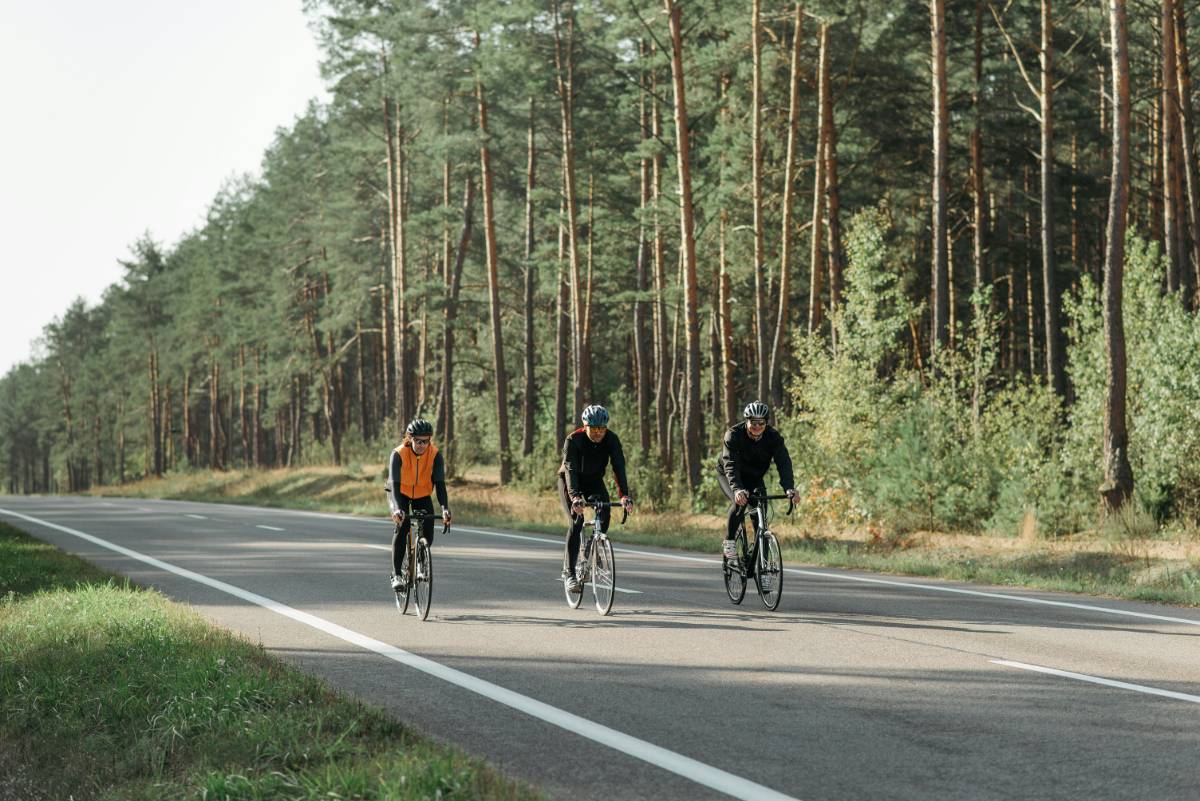
Cycling is one of the most rewarding and environmentally friendly ways to explore the world. From the winding roads of Europe to the rugged terrain of South America, some bicycle routes offer breathtaking views, diverse landscapes, and unique cultural experiences. Here are some of the top cycling routes that every avid cyclist should add to their bucket list.1346a.jpg***The Great Divide Mountain Bike Route (USA)The Great Divide Mountain Bike Route (GDMBR) stretches from Banff in Canada to the Mexican border, offering cyclists an epic 2,700-mile adventure through the Rocky Mountains. This is one of the longest off-road bike routes in the world, crossing diverse terrain including rugged mountain passes, remote deserts, and lush forests.This challenging route is perfect for experienced cyclists looking for a true adventure. Along the way, you’ll pass through small towns, encounter wildlife, and enjoy breathtaking views of the Rocky Mountains. The GDMBR is a multi-day journey that requires serious preparation and endurance, but the rewards are well worth the effort.***Camino de Santiago (Spain)The Camino de Santiago, also known as the Way of St. James, is a network of ancient pilgrimage routes leading to the shrine of St. James in Santiago de Compostela. While traditionally walked, cycling the Camino is becoming increasingly popular among cyclists. The route spans about 500 miles from Saint-Jean-Pied-de-Port in France to Santiago de Compostela in Spain.Cycling the Camino offers the chance to immerse yourself in the rich history and culture of Spain. Along the way, you’ll ride through picturesque villages, vineyards, and rolling hills, experiencing both the serenity of nature and the warmth of the local Spanish hospitality.***Munda Biddi Trail (Australia)The Munda Biddi Trail is a 1,000-kilometer off-road bike trail that takes cyclists through the forests of Western Australia. One of the longest continuous off-road cycling trails in the world, it passes through stunning landscapes, including forests, wetlands, and wildlife reserves.Cycling along the Munda Biddi Trail offers an incredible opportunity to explore some of Australia’s most beautiful natural areas. The trail is suitable for intermediate cyclists and offers a mix of easy and challenging terrain. The route also passes through small towns where cyclists can rest, recharge, and enjoy local delicacies.1346b.jpg***The Alpe d'Huez (France)If you’re looking for a challenge, the Alpe d'Huez is one of the most iconic cycling routes in the world. Located in the French Alps, the climb is a favorite among professional cyclists and enthusiasts alike. With 21 hairpin turns, the 13.8-kilometer ascent gains 1,120 meters in elevation and provides breathtaking views of the surrounding mountains.The Alpe d'Huez is part of the Tour de France route and is renowned for its difficulty and rewarding summit views. This climb is perfect for cyclists who want to test their limits while experiencing the beauty of the French Alps.***The Danube Cycle Path (Europe)The Danube Cycle Path, also known as the Donauradweg, is one of Europe’s most popular and scenic cycling routes. Stretching over 1,700 miles, the route follows the Danube River from Germany to the Black Sea, passing through Austria, Hungary, and several other countries along the way.This route offers a blend of history, culture, and natural beauty. Cyclists will pass through historic cities like Vienna, Budapest, and Belgrade, as well as picturesque countryside, vineyards, and quaint villages. The Danube Cycle Path is suitable for cyclists of all levels and offers plenty of opportunities to explore local culture and cuisine.***Ruta 40 (Argentina)Ruta 40 is a legendary route that spans the length of Argentina, from the northern border with Bolivia to the southern tip of Patagonia. This 5,000-kilometer route takes cyclists through a variety of landscapes, from the Andes mountains to the Patagonian steppe.Cycling along Ruta 40 offers a unique way to explore Argentina’s diverse geography and rich cultural heritage. The route is known for its remote beauty and challenging terrain, making it suitable for experienced cyclists who are looking for an adventure off the beaten path.***The Silk Road (Central Asia)For cyclists seeking an exotic and historical adventure, the Silk Road offers an incredible route that spans Central Asia. This ancient trade route stretches from China to the Mediterranean, passing through countries like Kyrgyzstan, Uzbekistan, and Tajikistan. The terrain varies from desert landscapes to mountainous regions, offering a unique challenge for cyclists.Cycling the Silk Road offers the opportunity to experience ancient cities, nomadic cultures, and stunning landscapes. The route is particularly appealing for adventurous cyclists who are looking to explore regions rich in history, culture, and diversity.***ConclusionExploring the world by bicycle is a rewarding way to experience new destinations and cultures while getting active and enjoying the outdoors. Whether you’re cycling through the challenging terrain of the Great Divide Mountain Bike Route or experiencing the cultural richness of the Danube Cycle Path, these top routes offer something for every cyclist. Plan your next adventure today and experience the world from a new perspective.
By John Michael Smith · 08 May 2026
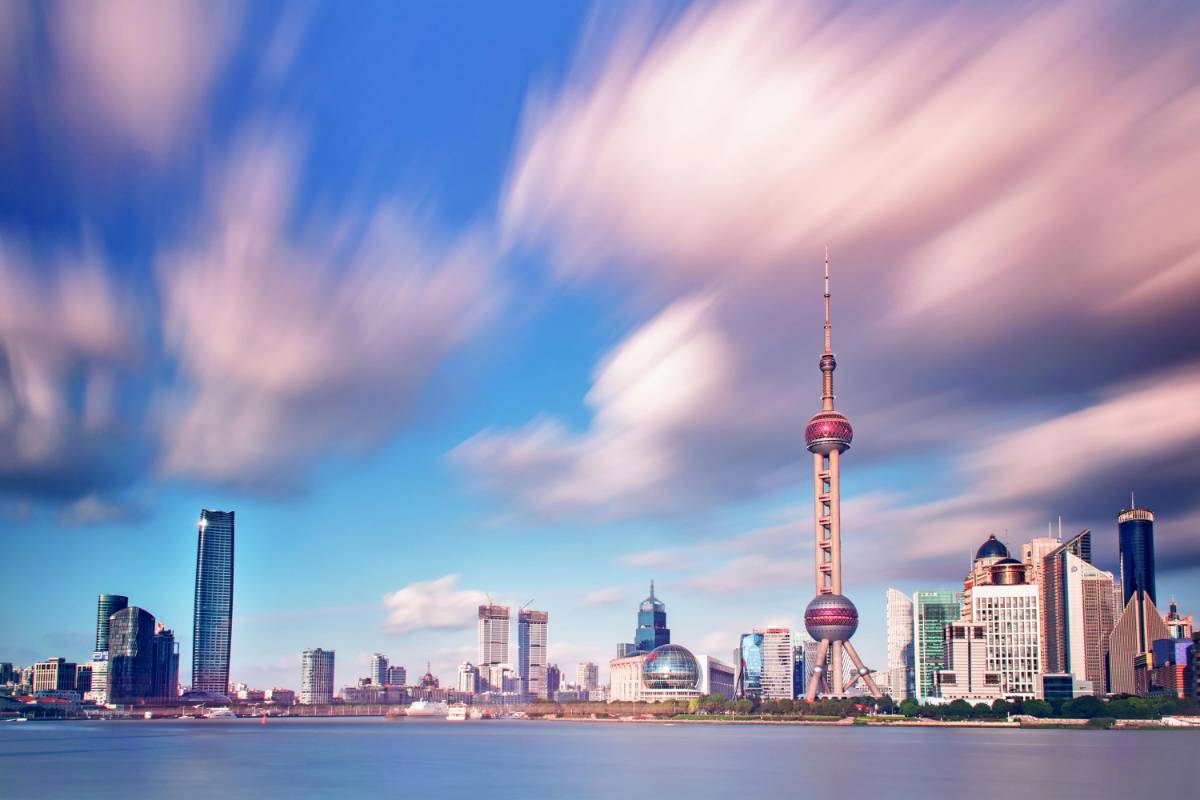
Sometimes the best vacations are the ones that don’t require a plane ticket. A luxury staycation in your own city allows you to experience the high-end amenities and indulgent experiences without the hassle of traveling. Here’s how to plan the perfect luxury staycation right where you live.1345a.jpg***Choose the Right Hotel or ResortThe first step to planning a luxury staycation is selecting the perfect place to stay. Look for upscale hotels or resorts in your city that offer exceptional service, luxurious rooms, and high-end amenities. Think about location – staying in a hotel that’s close to local attractions or in a peaceful part of town will enhance the experience.Some hotels even offer special packages for staycationers, with perks like spa treatments, exclusive access to pools or lounges, and gourmet dining experiences. Do some research and find a place that offers the best combination of comfort and luxury for your needs.***Upgrade Your RoomTo make your staycation feel truly luxurious, consider upgrading your room. Many hotels offer suites with stunning views, private balconies, or spacious living areas. Look for rooms with a jacuzzi, a king-size bed, and top-tier amenities such as plush robes, luxury toiletries, and high-quality linens.You might also want to request a room with a special feature, like a panoramic city view, or even a room with access to the executive lounge. The key to a memorable staycation is creating an experience that feels like an escape from your everyday routine.***Book Spa TreatmentsA staycation is the perfect opportunity to indulge in some well-deserved pampering. Many luxury hotels have their own spas or wellness centers that offer relaxing treatments like massages, facials, and body scrubs. Treat yourself to a full day of relaxation with a spa package that includes a variety of services, such as aromatherapy or a rejuvenating facial.If your hotel doesn’t have a spa, check out nearby wellness centers or independent spas that specialize in luxury treatments. A day of pampering can make you feel truly rejuvenated and is the perfect addition to your luxury staycation experience.1345b.jpg***Dine in StyleNo luxury staycation is complete without indulging in world-class dining. Whether it’s fine dining at a Michelin-starred restaurant or a casual yet chic brunch at a local café, treat yourself to meals you wouldn’t normally experience. Many luxury hotels feature restaurants by renowned chefs, offering a variety of cuisines, from Italian to French to contemporary fusion.To elevate the experience, consider having a private dinner in your room or on the hotel’s terrace. Some hotels offer personalized dining experiences where chefs prepare gourmet meals just for you, adding an extra level of exclusivity to your staycation.***Enjoy Luxury AmenitiesTake full advantage of the luxury amenities that come with your hotel or resort. Lounge by the pool in a plush cabana, sip cocktails at a rooftop bar, or book a private fitness session in the hotel’s gym. Many luxury properties offer exclusive activities like guided city tours, wine tastings, or cooking classes. You can even book a private shopping experience at high-end boutiques.If your hotel is near a beach or a scenic location, take a stroll along the waterfront or enjoy a sunset cruise. Make sure to incorporate unique experiences into your staycation, so it feels special and indulgent.***Explore Your City in StyleWhile the point of a staycation is to stay close to home, it doesn’t mean you can’t explore your city in a new way. Treat yourself to a private city tour in a luxury vehicle, whether it’s a chauffeured car, a vintage convertible, or even a helicopter tour. Explore the sights, visit high-end shopping districts, or check out art galleries and museums.If you're into adventure, consider booking a unique experience like a hot air balloon ride, a yacht charter, or a helicopter tour to see your city from a different perspective.***Unplug and DisconnectA luxury staycation is all about relaxation, so take the time to unplug from work and your usual responsibilities. Turn off your phone, leave your laptop behind, and focus on being present. Spend time unwinding, reading a book, soaking in a hot tub, or simply relaxing by the pool. You can also enjoy in-room entertainment like a movie marathon, room service, or even a bubble bath.Your goal is to create a sense of escapism without leaving your city, so don’t let the distractions of daily life intrude on your relaxation.***ConclusionA luxury staycation is an ideal way to unwind and indulge in high-end experiences without the need to travel. By choosing the right hotel, upgrading your room, booking spa treatments, and enjoying exclusive dining and amenities, you can create a getaway that feels truly special. The key to a successful staycation is treating it as an escape and immersing yourself in relaxation, indulgence, and fun. Whether you choose to stay in or explore your city, a luxury staycation offers the perfect opportunity to recharge and experience the finest things without ever leaving town.
By Abraham Benjamin · 07 May 2026
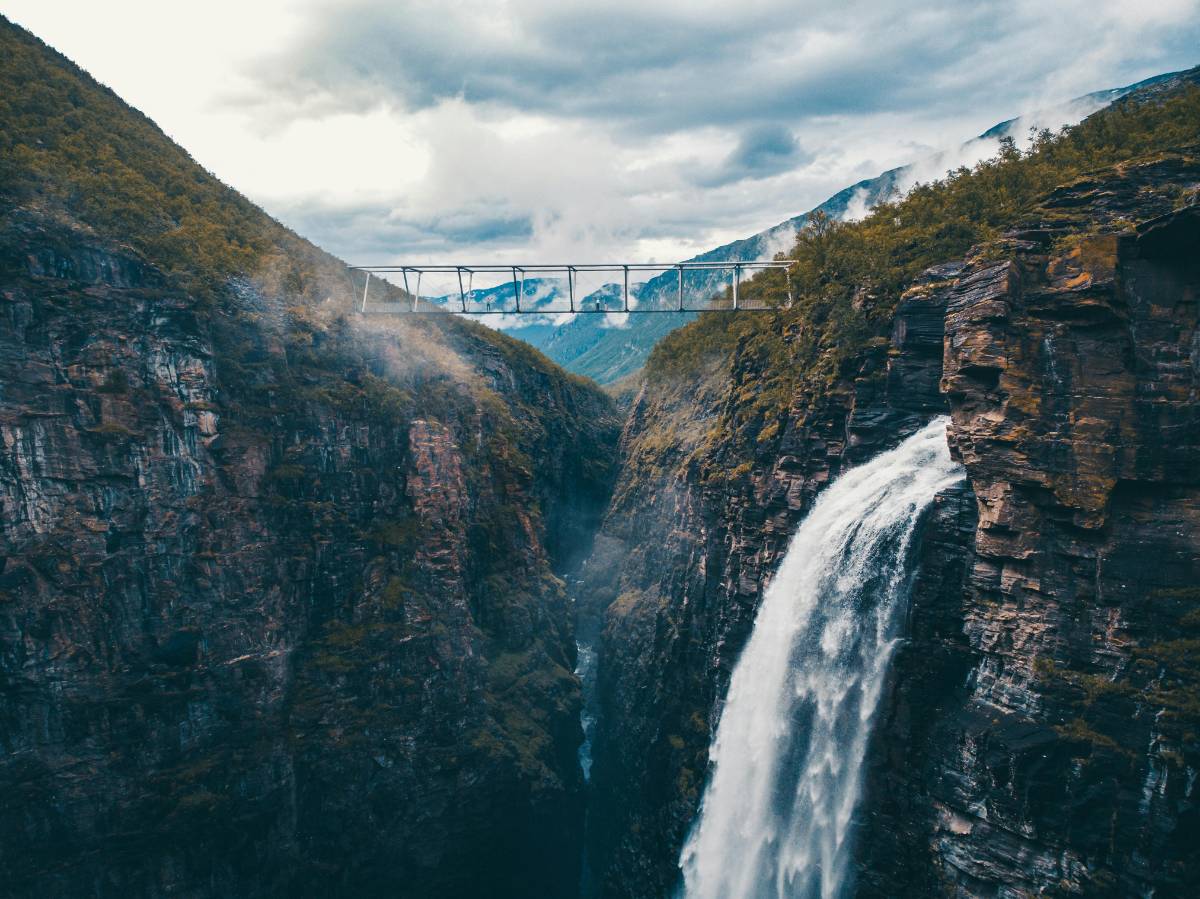
Scandinavia is home to some of the most stunning landscapes in the world, from the towering fjords of Norway to the serene archipelagos of Sweden and the vibrant cities of Denmark. Whether you're an outdoor enthusiast, a history buff, or simply looking to explore new cultures, Scandinavia has something for everyone. Here’s a guide to the top destinations across Sweden, Norway, and Denmark.1344a.jpg***Stockholm, SwedenSweden's capital, Stockholm, is a beautiful city spread across 14 islands connected by over 50 bridges. Its old town, Gamla Stan, is full of cobbled streets, colorful buildings, and historical landmarks like the Royal Palace and Stockholm Cathedral. The city also boasts modern attractions like the ABBA Museum, the Vasa Museum, and the innovative Fotografiska photography museum.Stockholm is also known for its green spaces and waterfront parks. You can explore the archipelago by boat, visiting scenic islands like Vaxholm and Grinda for hiking, swimming, or simply relaxing by the water.***Oslo, NorwayOslo, Norway’s capital, is a city of striking contrasts where modern architecture meets nature. The iconic Oslo Opera House is a must-see, where you can walk on its slanted roof for panoramic views of the Oslofjord. Also, the Viking Ship Museum and the National Gallery house fascinating collections of art and history, including Edvard Munch’s famous painting, "The Scream."Oslo is surrounded by lush forests and hills, perfect for outdoor activities such as hiking, biking, and cross-country skiing in the winter. The nearby Holmenkollen Ski Jump is another major attraction, offering sweeping views of the city.***Copenhagen, DenmarkCopenhagen, the capital of Denmark, is known for its laid-back atmosphere and progressive design. Visit the famous Tivoli Gardens amusement park, explore the colorful houses along Nyhavn harbor, or take a stroll through the cobblestone streets of Christianshavn, where you’ll find a mix of modern architecture and historic buildings.Don’t miss the opportunity to visit the Little Mermaid statue, based on Hans Christian Andersen's fairy tale. For food lovers, Copenhagen is home to several Michelin-starred restaurants, and the city’s food markets, like Torvehallerne, offer a wide array of fresh local delicacies.***Bergen, NorwayNestled between mountains and fjords, Bergen is one of Norway’s most scenic cities. Known as the gateway to the fjords, it’s the perfect starting point for exploring the nearby UNESCO-listed Nærøyfjord and Sognefjord. The city’s historic Bryggen district is a UNESCO World Heritage site, with colorful wooden houses lining the harbor.Bergen is also famous for its seafood, and the bustling Fisketorget (fish market) is a great place to sample fresh catches. For those looking for an outdoor adventure, take the Fløibanen funicular to the top of Mount Fløyen for panoramic views of the city and surrounding fjords.***Gothenburg, SwedenGothenburg, located on the west coast of Sweden, is known for its maritime heritage and vibrant food scene. The city's canals and leafy boulevards are lined with cafés, bars, and restaurants. The famous Liseberg amusement park is a fun stop for families, while the Universeum science center offers interactive exhibits for all ages.For a taste of Gothenburg’s culinary scene, visit the Feskekôrka fish market or dine at one of the city’s top seafood restaurants. The nearby archipelago also offers stunning landscapes, with islands like Hönö and Öckerö perfect for hiking or relaxing by the sea.1344b.jpg***Aarhus, DenmarkAarhus, Denmark's second-largest city, is known for its youthful energy, as it’s home to Denmark's largest university. The city’s Old Town, Den Gamle By, is an open-air museum that gives a glimpse into Denmark’s past, while the ARoS Aarhus Art Museum offers a contemporary art experience with an impressive rooftop view of the city.Aarhus also boasts a vibrant food scene with trendy cafés, innovative restaurants, and street food markets. The city is surrounded by beautiful natural scenery, including forests and beaches that are perfect for a relaxing day trip.***Røros, NorwayRøros is a UNESCO World Heritage town known for its well-preserved wooden buildings and rich mining history. Located in central Norway, this charming town offers a glimpse into Norway’s past, with its old mining houses, traditional wooden homes, and cobbled streets.Visit the Røros Museum to learn about the town’s history, and don’t miss the chance to explore the surrounding mountains and forests, ideal for hiking, skiing, and snowshoeing. Røros is particularly beautiful in winter, when the town is blanketed in snow, creating a winter wonderland.***Malmo, SwedenMalmo, located in southern Sweden, is a modern and multicultural city that’s just a short train ride away from Copenhagen. The city is known for its striking architecture, including the Turning Torso, the tallest building in Scandinavia. Malmo’s old town, Gamla Staden, is filled with cobbled streets, colorful houses, and charming cafés.Malmo is also a great destination for food lovers, with a wide range of restaurants offering everything from traditional Swedish dishes to international cuisine. The nearby Ribersborg Beach is perfect for relaxing in the summer, and the city also offers a number of parks and green spaces.***Lofoten Islands, NorwayFor those looking to explore Norway's wild side, the Lofoten Islands are a must-visit destination. Located above the Arctic Circle, the Lofoten Islands are known for their rugged landscapes, picturesque fishing villages, and spectacular natural beauty. Here, you can hike through dramatic mountain ranges, spot wildlife such as sea eagles and whales, or go kayaking in crystal-clear waters.The islands are also famous for their traditional rorbu (fisherman’s cabins), where you can stay and experience the local way of life. Don’t miss the Lofotr Viking Museum, where you can learn about Viking history and even try your hand at ancient crafts.***ConclusionScandinavia offers an incredible variety of destinations, each with its own unique charm and character. Whether you’re visiting the vibrant cities of Sweden, the majestic fjords of Norway, or the welcoming atmosphere of Denmark, you’ll be treated to a mix of stunning landscapes, rich history, and modern culture. So pack your bags and prepare for an unforgettable adventure through one of the most beautiful regions of the world.
By Christopher David Wilson · 06 May 2026