

Staycations have evolved from a simple backup plan into a deliberate lifestyle choice for many U.S. travelers. With rising travel costs, flexible work schedules, and a growing appreciation for local experiences, staying close to home is now seen as a practical and fulfilling way to enjoy time off without the stress of traditional travel.***The Rise of the Intentional StaycationIn 2026, staycations are no longer viewed as a compromise. Instead, they are a strategic way to take meaningful breaks while maintaining flexibility and control over time and expenses. Many Americans are choosing shorter, more frequent local getaways instead of long, expensive trips.This shift reflects changing priorities, where convenience, personalization, and reduced travel stress are becoming just as important as the destination itself.***Why Staycations Are Gaining PopularitySeveral factors are driving the growth of staycations. Rising airfare, unpredictable hotel pricing, and added travel fees have made long-distance trips more complex and costly.At the same time, remote and hybrid work arrangements allow people to integrate leisure into their schedules more easily. This flexibility makes it possible to take shorter breaks without needing extended time away from work.Ar202644.webp***What Travelers Want from a StaycationA successful staycation is not just about staying home—it’s about creating a sense of escape. Travelers are looking for experiences that feel different from their daily routines, even if they are close to home.This might include exploring new neighborhoods, trying new restaurants, booking a local hotel, or visiting nearby attractions that are often overlooked.***How to Plan a Meaningful StaycationPlanning is essential to ensure a staycation feels like a true break rather than an ordinary weekend. Setting clear intentions—whether relaxation, exploration, or personal time—helps guide the experience.Changing your environment, scheduling activities in advance, and minimizing daily responsibilities can create a stronger sense of separation from routine.***The Financial Benefits of Staying LocalOne of the biggest advantages of staycations is cost control. Without airfare and long-distance transportation, travelers can allocate their budgets more effectively.Savings can be redirected toward high-quality local experiences, such as dining, wellness activities, or premium accommodations, creating a more enjoyable and balanced trip.Ar202645.webp***Are Staycations Truly Relaxing?Staycations can be just as relaxing as traditional vacations when boundaries are clearly set. Disconnecting from work, limiting household responsibilities, and creating a structured schedule are key to achieving this.Many travelers find that avoiding long travel times reduces fatigue, allowing them to return to work feeling more refreshed.***The Value of Local ExperiencesStaycations encourage a deeper connection with local communities. From cultural events and museums to parks and neighborhood restaurants, nearby experiences often provide unique and authentic opportunities.These activities can offer the same level of enjoyment as distant travel without the logistical challenges.***Staycations and Work-Life BalanceIn today’s work environment, shorter and more frequent breaks are becoming increasingly important. Staycations allow professionals to recharge without needing extended time away, making them a practical solution for maintaining balance.This approach supports long-term productivity and well-being by encouraging regular periods of rest.***Common Staycation MistakesDespite their benefits, staycations can fall short if treated like a regular weekend. Failing to plan, staying fully connected to work, or not changing routines can reduce their effectiveness.Avoiding these pitfalls helps ensure the experience feels intentional and rewarding.***Real-World ExampleTwo individuals take a four-day break. One stays home and continues daily routines, while the other books a nearby hotel, plans activities, and disconnects from work.https://www.youtube.com/watch?v=_f2HEwJ0B5Q&pp=ygUiSG93IHRvIFBsYW4gdGhlIFBlcmZlY3QgU3RheWNhdGlvbg%3D%3DThe second experience feels like a true vacation, demonstrating that mindset and planning are more important than distance.***ConclusionStaycations are redefining how Americans approach leisure. By focusing on intentional planning, local exploration, and flexible scheduling, they offer a practical and fulfilling alternative to traditional travel.As lifestyles continue to evolve, staycations are likely to remain a key part of how people rest, recharge, and experience new opportunities close to home.
By Stefen · 17 May 2026

Staycations have evolved into a practical and appealing alternative to traditional travel. With rising costs, limited time, and shifting work patterns, more Americans are choosing to explore their own cities or nearby destinations. A well-planned staycation can offer both meaningful relaxation and financial efficiency without the stress of long-distance travel.***The Rise of the Modern StaycationStaycations are no longer viewed as a fallback option. Instead, they represent a strategic choice for travelers seeking convenience and value. As airfare, lodging, and dining expenses continue to rise, many households are rethinking how they spend their leisure time.Domestic travel remains popular, but shorter, local experiences are gaining traction. This shift reflects a broader change in priorities—favoring flexibility, reduced stress, and better control over spending.***Why Staycations Make Financial SenseOne of the main reasons people choose staycations is cost savings. By eliminating major expenses such as flights and long-distance transportation, travelers can significantly reduce their overall spending.Ar202641.webpSavings also come from familiar surroundings, where dining and entertainment costs are easier to manage. Instead of allocating budget to logistics, travelers can invest in higher-quality local experiences.***Convenience as a Key AdvantageBeyond cost, convenience plays a major role in the appeal of staycations. Planning a traditional trip often involves complex logistics, from booking flights to coordinating schedules.Staycations simplify this process. There’s no need for airport security, long packing lists, or rigid timelines. Travelers can start and end their break on their own terms, making it easier to fit into busy schedules.***How Staycations Fit Modern Work CultureWith the rise of remote and hybrid work, many Americans are redefining how they take time off. Staycations allow for a flexible approach, where individuals can combine light work responsibilities with leisure activities.For example, someone might work remotely during the morning and spend the afternoon exploring local attractions. This approach reduces the pressure to fully disconnect while still offering a refreshing change of pace.***Creating a True Vacation Experience at HomeA successful staycation requires intentional planning. Simply staying home without changing routines often fails to provide the mental break people seek.To create a true vacation experience, travelers should introduce new activities, set boundaries around work, and consider changing their environment—even if it’s just booking a nearby hotel for a night or two.***Exploring Local ExperiencesMany people overlook the opportunities available in their own city. Staycations encourage a fresh perspective, allowing travelers to discover local attractions they might otherwise ignore.Ar202642.webpFrom food tours and cultural events to parks and museums, local experiences can be both affordable and enriching. These activities often provide the same sense of discovery as traveling to a new destination.***The Psychology of Staying CloseResearch shows that novelty—not distance—is what makes a vacation feel rewarding. Trying new activities in a familiar setting can deliver similar satisfaction without the stress of long-distance travel.In fact, many travelers report feeling more relaxed after a staycation because they avoid the fatigue associated with airports, delays, and packed itineraries.***Common Staycation MistakesDespite their benefits, staycations can fall short if not planned properly. Treating the time like a normal week, failing to disconnect from work, or choosing overly familiar activities can reduce the overall experience.The key is to strike a balance between structure and relaxation, ensuring the staycation feels intentional rather than routine.***Staycations vs Traditional TravelStaycations are ideal for short breaks, budget-conscious travelers, and those with limited time. They offer flexibility and reduced stress, making them a practical choice in today’s fast-paced environment.Traditional travel, on the other hand, may still be better suited for longer vacations or once-in-a-lifetime experiences. Many travelers now combine both approaches throughout the year.***Real-World ExampleA couple planning a weekend staycation might check into a local hotel, explore nearby attractions, and dine at new restaurants. With a budget of $400–$600, they can enjoy a relaxing and memorable experience.In contrast, a similar traditional trip could easily cost twice as much when factoring in transportation and accommodation. The staycation offers comparable relaxation with fewer complications.https://www.youtube.com/watch?v=tPfW0BvoMs8&pp=ygUrMS4gV2hhdCBpcyBhIFN0YXljYXRpb24gYW5kIEhvdyB0byBQbGFuIE9uZQ%3D%3D***ConclusionStaycations represent a shift in how people approach travel. Rather than focusing on distance, today’s travelers are prioritizing ease, flexibility, and meaningful experiences.When planned thoughtfully, staying close to home can deliver the same sense of escape—without the financial and logistical challenges of traditional travel.
By Stefen · 16 May 2026
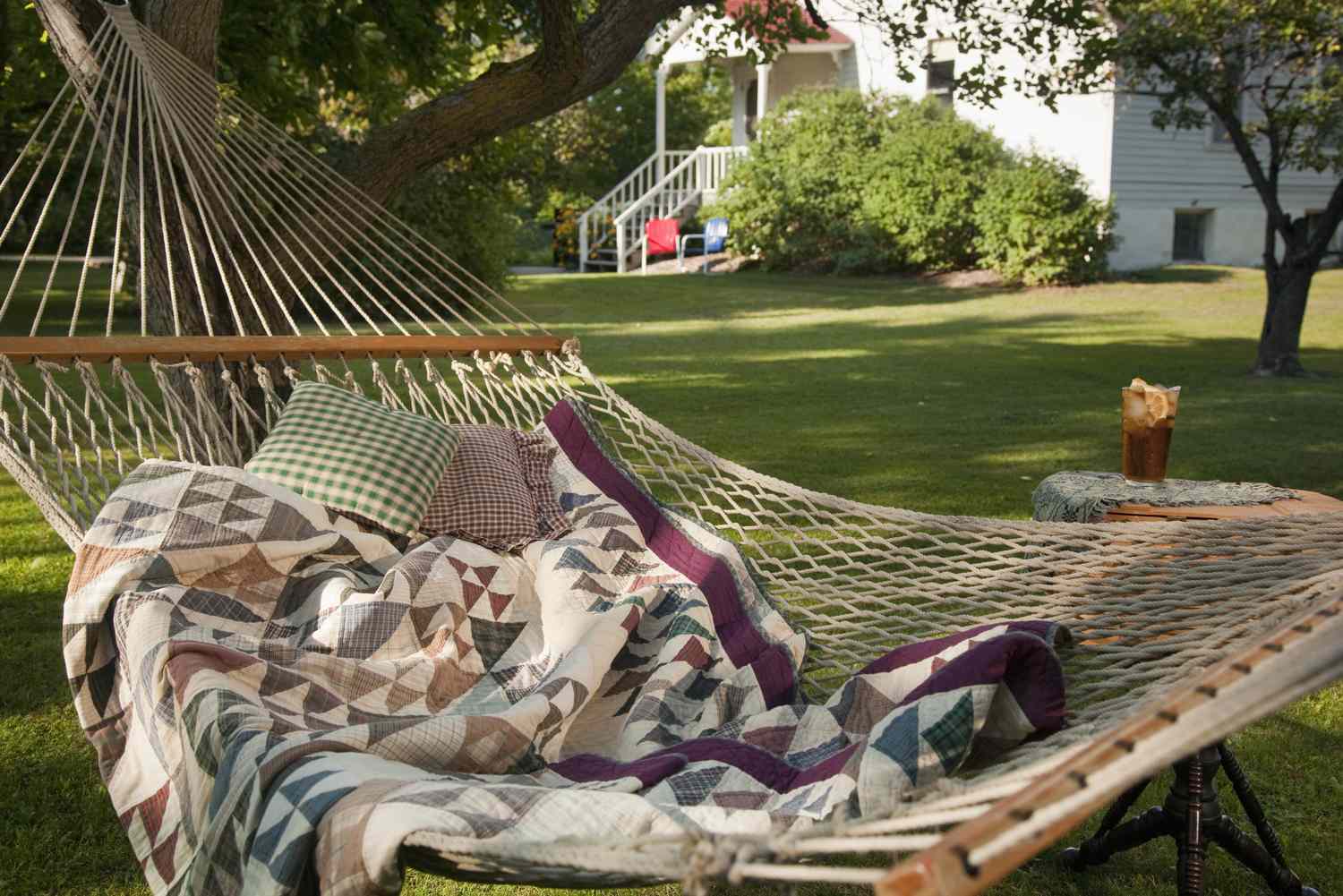
A restorative staycation is not defined by distance but by intention. In 2026, more Americans are choosing to recharge close to home by focusing on mental clarity, reduced stress, and meaningful use of time. When designed thoughtfully, a staycation can deliver many of the same benefits as traditional travel—without the logistical pressure.***Why Staycations Are Gaining PopularityStaycations have become a practical and appealing alternative to traditional travel. Rising costs, limited vacation time, and increased awareness of burnout have led many people to rethink how they take time off.Without the need for flights, long drives, or detailed itineraries, staycations remove many common stressors associated with travel. This allows individuals to focus more on rest and recovery rather than logistics.***What Makes a Staycation Truly RestorativeA staycation becomes restorative when it supports both mental and physical recovery. This includes reducing daily stress, improving sleep, and engaging in activities that feel meaningful rather than obligatory.Key elements include a sense of control over your time, a break from routine responsibilities, and opportunities for relaxation or creative engagement.Ar202638.webp***Creating Separation Without Leaving HomeOne of the biggest challenges of a staycation is avoiding the feeling that you're simply at home with time off. Creating clear boundaries is essential.Setting an out-of-office message, limiting chores, and planning simple activities can help create a sense of separation from daily life. Even small changes in your environment or schedule can make a significant difference.***Designing a Staycation ExperienceA successful staycation requires intentional planning. Focus on creating a different rhythm for your days, rather than filling them with tasks or obligations.This might include spending time outdoors, exploring local attractions, or dedicating time to hobbies that you normally overlook.***Should You Stay Home or Book Nearby?Some people benefit from staying home, especially if their environment supports relaxation. Others may find it helpful to book a nearby hotel or rental to create a stronger sense of escape.Even a short stay at a local property can provide a noticeable mental reset by introducing a new environment.***Activities That Promote Real RecoveryNot all activities contribute equally to relaxation. The most effective staycations include a mix of low-effort, enjoyable experiences that don’t feel forced.Ar202639.webpExamples include walking in nature, reading, light exercise, and spending time with close friends or family in a relaxed setting.***Food, Sleep, and Daily HabitsSimple lifestyle adjustments during a staycation can significantly improve how refreshed you feel. Prioritizing sleep, eating balanced meals, and maintaining a consistent daily rhythm all contribute to recovery.Unlike traditional vacations, where schedules can be irregular, staycations offer the opportunity to build healthier routines.***How Long Should a Staycation Be?Even short breaks can be effective. A well-planned 2–4 day staycation can provide meaningful recovery if you disconnect from work and focus on rest.Longer breaks can deepen the benefits, but quality of time matters more than duration.***Budget-Friendly by DesignStaycations are often more affordable than traditional travel because they eliminate transportation costs and reduce spending on accommodations.Spending strategically on comfort—such as upgrading your home environment or enjoying a special meal—can enhance the experience without significantly increasing costs.https://www.youtube.com/watch?v=MZqLTDULxvI&pp=ygU_MS4gSG93IHRvIFRha2UgYSBTdGF5Y2F0aW9uIFRoYXQgQWN0dWFsbHkgRmVlbHMgTGlrZSBhIFZhY2F0aW9u***ConclusionA staycation can be just as restorative as a traditional getaway when approached with intention. By creating boundaries, adjusting your environment, and focusing on meaningful activities, you can achieve real rest and renewal without leaving your city.The value of a staycation lies not in where you go, but in how you choose to spend your time.
By Stefen · 15 May 2026

A modern staycation is no longer just about staying home—it’s about creating a purposeful break that delivers rest, novelty, and connection without the time and expense of travel. With thoughtful planning and intentional choices, you can experience a refreshing reset while staying within your own city.***Why Staycations Are Gaining PopularityStaycations have become increasingly popular as travelers look for flexible, cost-effective ways to take time off. Rising travel costs, limited vacation days, and a desire for simpler experiences have made local breaks more appealing than ever.Many Americans are choosing shorter, more frequent breaks instead of long trips, and staycations fit perfectly into this trend by reducing stress while still providing meaningful downtime.***What Makes a Staycation Feel Like a VacationA successful staycation creates a clear break from your everyday routine. Without intentional planning, it can feel like just another weekend filled with chores and distractions.To make it feel like a real vacation, focus on setting boundaries, planning activities, and introducing new experiences that shift your mindset away from daily responsibilities.Ar202635.webp***Planning Your Staycation Step by StepStart by identifying what you want from your time off—whether it’s relaxation, exploration, or quality time with loved ones. This helps guide your decisions and ensures your staycation meets your needs.Consider booking a local hotel or short-term rental to create a sense of separation from home. Even a single night away can make the experience feel more intentional and refreshing.***Rediscover Your Own CityStaycations provide an opportunity to see your city through a new lens. Many locals overlook attractions that visitors actively seek out, from museums and parks to cultural events and historic neighborhoods.Approaching your city like a tourist—without the usual time pressures—can uncover experiences you may have never considered before.***Budgeting Your StaycationWhile staycations are typically more affordable than travel, costs can still add up. Focus your spending on experiences that enhance the break, such as dining, entertainment, or a comfortable place to stay.Savings naturally come from eliminating major expenses like flights and long-distance transportation, allowing you to allocate more toward quality experiences.Ar202636.webp***Food as Part of the ExperienceDining plays an important role in creating a memorable staycation. Instead of sticking to routine meals, treat food as part of the experience by trying new restaurants or exploring different neighborhoods.You can also create themed meals at home to bring a sense of novelty without leaving your space.***Disconnecting From Work and RoutineOne of the biggest challenges of a staycation is truly disconnecting. Without physical distance, it’s easy to stay mentally tied to work or daily responsibilities.Setting clear boundaries, limiting notifications, and communicating your availability can help you fully relax and make the most of your time off.***Tailoring Staycations to Your LifestyleStaycations can be customized to fit different lifestyles. Families may focus on structured activities and shared experiences, while couples might prioritize relaxation and connection.Solo travelers can use the time for reflection, personal projects, or exploring the city at their own pace.***Common Staycation Mistakes to AvoidMany people fail to get the full benefit of a staycation because they don’t treat it as real time off. Over-scheduling, staying connected to work, or skipping planning can reduce its impact.Balancing structure with flexibility and committing to the experience are key to making it worthwhile.https://www.youtube.com/watch?v=p8ybh5UdNlw&pp=ygUlMS4gSG93IHRvIFBsYW4gdGhlIFBlcmZlY3QgU3RheWNhdGlvbg%3D%3D***ConclusionA staycation is not about staying in—it’s about stepping out of your routine in a meaningful way. With the right approach, you can create a break that feels just as refreshing as traveling, without the added stress and expense.By planning intentionally and embracing local opportunities, your city can become the perfect destination for rest, discovery, and renewal.
By Stefen · 14 May 2026
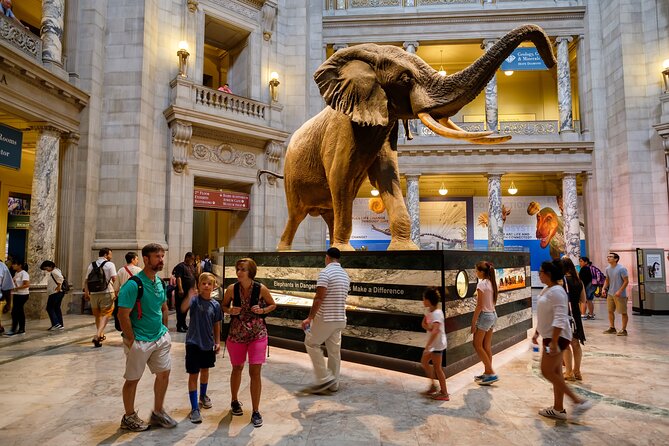
More Americans are rethinking what it means to take time off. Instead of planning expensive, logistically complex trips, many are choosing staycations—intentional breaks spent close to home. Driven by rising travel costs, limited time, and a desire for low-stress experiences, staycations are becoming a practical and meaningful alternative to traditional vacations.***The Changing Definition of a VacationFor decades, vacations were associated with long-distance travel, packed itineraries, and significant spending. Today, that definition is shifting. A growing number of Americans are realizing that rest and enjoyment don’t require flights, hotels, or weeks of planning.Staycations offer a more flexible and accessible approach to time off. By staying local, individuals can focus on relaxation, personal interests, and meaningful experiences without the pressure of travel logistics.***Why Staycations Are Becoming More PopularSeveral factors are driving the rise of staycations. One of the biggest is cost. Travel expenses—including airfare, accommodation, and dining—have increased significantly in recent years, making traditional vacations less accessible for many households.Time constraints also play a role. Many professionals struggle to take extended time off, and shorter breaks are easier to manage when travel is not involved. Staycations allow people to take meaningful breaks without disrupting their schedules.Ar202632.webp***Lower Stress, Greater FlexibilityTraditional travel often comes with stress—airport delays, packing, strict itineraries, and unexpected costs. Staycations remove many of these challenges, creating a more relaxed and controlled experience.Without the need to coordinate transportation or navigate unfamiliar places, individuals can focus entirely on rest and enjoyment.***What a Modern Staycation Looks LikeA staycation is no longer just staying at home—it’s about creating a purposeful experience. Many people plan activities such as exploring local neighborhoods, visiting museums, dining at new restaurants, or booking short stays at nearby hotels.Some also design themed days, such as wellness-focused routines, outdoor adventures, or digital detox weekends. The goal is to break from routine while staying close to home.***Financial Benefits Without Sacrificing QualityStaycations allow travelers to avoid major expenses like flights and extended hotel stays. This creates an opportunity to reallocate budget toward higher-quality local experiences.Instead of spending on transportation, individuals may invest in spa treatments, premium dining, or entertainment—often resulting in a more enjoyable and personalized experience.***Are Staycations Actually Restful?A common question is whether staying close to home provides the same level of rest as traveling. The answer depends on how the staycation is structured.Setting boundaries with work, planning activities, and stepping away from daily responsibilities are key factors. When treated intentionally, staycations can be just as restorative as traditional vacations.Ar202633.webp***The Role of Technology in Local DiscoveryTechnology has made it easier than ever to explore nearby experiences. Apps and platforms now help users discover local events, hidden restaurants, and unique activities within their own city.This has reduced the perception that staying local means limited options. Many people are discovering new places close to home that they had previously overlooked.***Staycation vs Traditional TravelBoth staycations and traditional travel offer value, but they serve different purposes. Staycations are ideal for short breaks, budget-conscious planning, and reducing stress.Traditional travel, on the other hand, is better suited for major trips, cultural exploration, and long-term vacations. Many Americans are now combining both approaches throughout the year.***Real-World ExampleConsider two individuals with similar schedules. One plans a week-long trip involving flights, hotels, and activities, spending over $2,000. The other takes a four-day staycation, exploring local attractions, dining out, and booking a short hotel stay—spending under $1,000.Both experiences provide enjoyment, but the staycation offers greater flexibility and significantly lower costs.https://www.youtube.com/watch?v=GtiD6_goZCA&pp=ygU2MS4gU3RheWNhdGlvbiBJZGVhcyBUaGF0IEFjdHVhbGx5IEZlZWwgTGlrZSBhIFZhY2F0aW9u***ConclusionStaycations reflect a broader shift in how Americans approach time off. Instead of viewing vacations as occasional, high-cost events, many are embracing smaller, more frequent breaks that fit their lifestyle.By focusing on intentional planning and local exploration, staycations offer a practical and rewarding way to rest, recharge, and enjoy time off without the pressures of traditional travel.
By Stefen · 13 May 2026

A road trip across the United States offers an unforgettable experience, allowing you to explore the country's diverse landscapes, cultures, and landmarks. Whether you're planning a short getaway or a cross-country adventure, proper planning is essential for making the most of your journey. Here are some tips to help you plan the perfect road trip.1334a.jpg***Decide on Your Route and DestinationsThe first step in planning a successful road trip is deciding on your route and key destinations. Consider the places you’ve always wanted to visit and the landmarks you’d like to see. There are several popular routes, such as the Pacific Coast Highway, Route 66, and the Great River Road, each offering unique attractions.Make sure to take into account how much time you have for your trip. If you’re planning a long road trip, map out your main stops and include smaller, off-the-beaten-path destinations along the way for a more immersive experience.Planning your route will help you organize your time and ensure you make the most of each stop.***Budget Your TripRoad trips can be affordable, but it's important to set a budget before you hit the road. Consider costs for gas, accommodation, food, and activities at each stop. You can save money by camping, staying in budget hotels, or booking accommodation in advance.It’s also important to factor in unexpected costs, such as roadside emergencies or detours. Having a financial cushion will help you enjoy your trip without stress.***Pack SmartlyPacking smart is essential for a smooth road trip. Make sure to pack light, bringing only the essentials, but also include a few extra items for comfort. Some things to remember include clothes for different weather conditions, personal hygiene products, medications, and snacks for the road.Don't forget your electronics—chargers, GPS, and cameras can come in handy for navigation and capturing memories along the way.***Prepare Your VehicleBefore embarking on a long road trip, make sure your vehicle is in good condition. Check tire pressure, oil levels, brakes, and fluid levels. A thorough check-up can prevent costly breakdowns on the road.Additionally, make sure you have a spare tire, jack, jumper cables, and other emergency supplies, just in case you run into any issues while on the road.***Plan Your AccommodationsWhile it’s possible to find places to stay on the fly, it’s often better to book your accommodations in advance, especially in popular tourist areas. Depending on your route and preferences, you can opt for motels, hotels, or campgrounds.If you’re looking for a unique experience, consider staying in a charming bed and breakfast or renting a cabin. Having a place to stay sorted out ahead of time can help reduce stress and make your trip more enjoyable.1334b.jpg***Consider Time for ExplorationA road trip is not just about getting from point A to point B; it’s about enjoying the journey. Plan time for sightseeing, exploring local attractions, and relaxing. You don’t have to rush from one destination to the next—take time to explore unique places along the way.For instance, stop by national parks, visit quirky roadside attractions, and try regional foods. The beauty of a road trip is in the small, unexpected moments.***Stay Safe on the RoadSafety should always be a priority on a road trip. Make sure to follow traffic laws, take breaks when needed, and avoid driving when tired. It’s also a good idea to have a roadside assistance plan in case you encounter any issues during your trip.Staying safe also means keeping your vehicle well-maintained, having a first-aid kit handy, and having emergency contact information easily accessible.***Create a Playlist or Download PodcastsOne of the best parts of a road trip is the music. Create a playlist of your favorite songs or download podcasts that interest you. A good playlist or a series of entertaining podcasts will make the drive more enjoyable and help pass the time.It’s a good idea to download media ahead of time in case you lose signal while traveling through remote areas.***Capture the MomentsA road trip across the United States is a once-in-a-lifetime experience, so make sure to capture the moments along the way. Take photos, document your journey in a travel journal, or vlog your trip.When you look back at the memories, you’ll be grateful for the photos and stories you’ve collected along the way.***ConclusionPlanning a road trip across the United States is an exciting opportunity to explore new places, create memories, and enjoy the freedom of the open road. By taking the time to plan your route, budget, and vehicle preparation, you’ll set yourself up for a successful and enjoyable adventure. Don’t forget to stay safe, be flexible, and, most importantly, have fun on your journey.
By Robert Anthony Brown · 12 May 2026
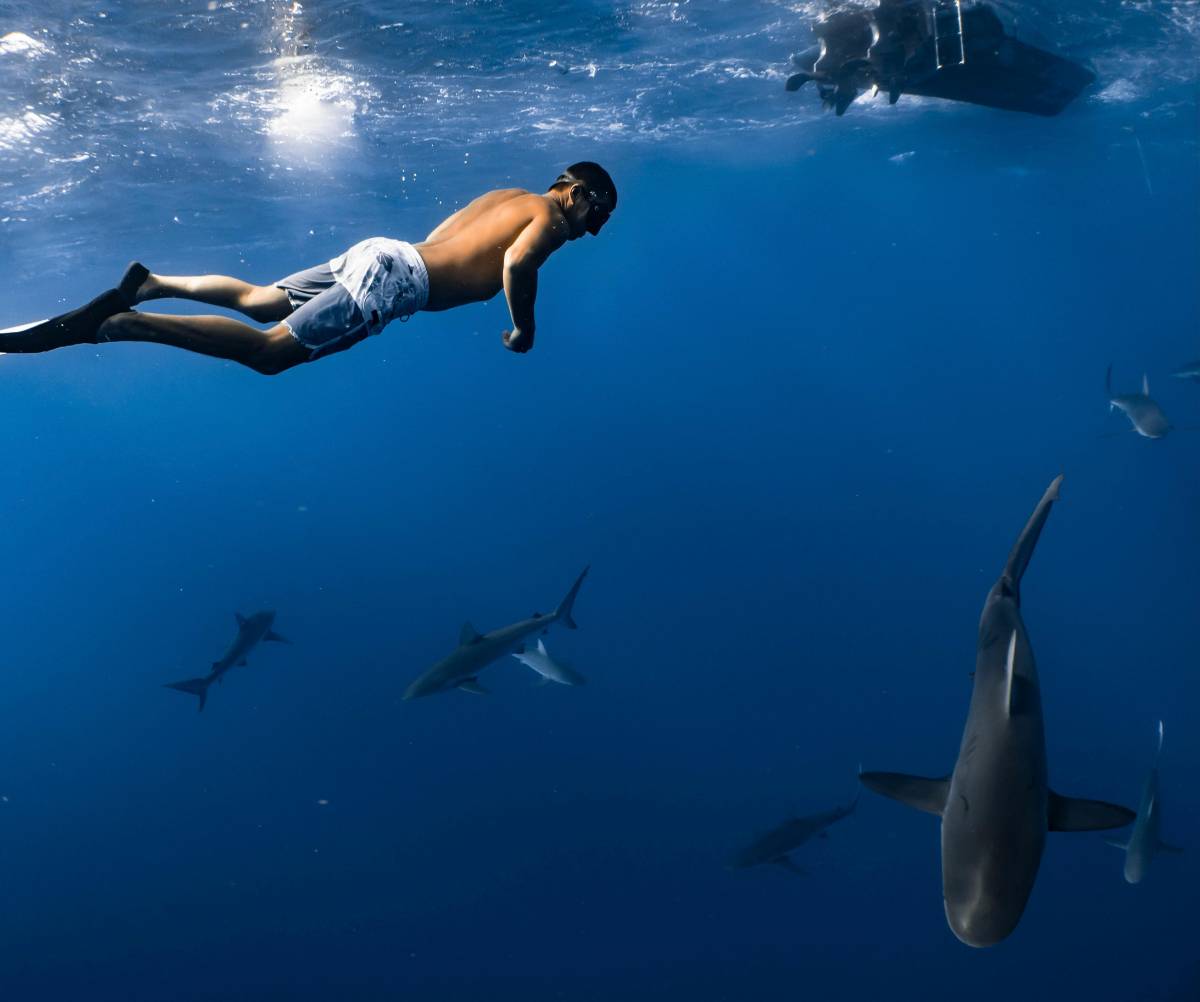
The underwater world is full of wonders that few ever get to experience. From vibrant coral reefs to submerged shipwrecks, diving is an incredible way to explore the beauty beneath the waves. If you’re an adventure seeker or simply someone who enjoys discovering new places, here are some of the top diving spots across the globe.1333a.jpg***Great Barrier Reef, AustraliaAs the world’s largest coral reef system, the Great Barrier Reef in Australia is a must-visit destination for divers. Stretching over 2,300 kilometers, this UNESCO World Heritage site is home to a vast array of marine life, including colorful coral, sea turtles, sharks, and thousands of fish species.Divers can explore numerous dive sites, from shallow reef gardens to deep-water walls. The clear waters make it an ideal location for both beginners and experienced divers. Whether you’re diving at the Ribbon Reefs or the iconic Cod Hole, the Great Barrier Reef offers an unforgettable underwater experience.***Blue Hole, BelizeThe Blue Hole, located off the coast of Belize, is one of the most famous dive sites in the world. This giant underwater sinkhole is over 300 meters wide and 124 meters deep, offering a surreal experience for divers. The Blue Hole is part of the Belize Barrier Reef, which is a UNESCO World Heritage site.The dive is famous for its crystal-clear waters and impressive underwater stalactites and stalagmites. As divers descend, they can see schools of fish, nurse sharks, and even the occasional hammerhead shark. The Blue Hole offers a unique and awe-inspiring diving adventure.***Raja Ampat, IndonesiaRaja Ampat, located in Indonesia’s Papua province, is often considered one of the best diving destinations in the world. The region boasts an incredible diversity of marine life, including over 1,500 species of fish and 600 species of coral.With its remote location and pristine waters, Raja Ampat is home to some of the most spectacular dive sites on the planet. Divers can explore vibrant coral reefs, underwater caves, and lush seagrass meadows, all teeming with marine life. This remote paradise is a haven for divers seeking an untouched underwater world.***Galápagos Islands, EcuadorThe Galápagos Islands, located off the coast of Ecuador, are known for their unique wildlife both on land and underwater. The islands' underwater ecosystems are rich with marine life, including sea lions, manta rays, whale sharks, and schools of hammerhead sharks.Diving in the Galápagos offers the chance to explore underwater volcanic landscapes and crystal-clear waters. The islands’ isolation has preserved a rich diversity of species, making it an exceptional destination for those looking to dive in a place where nature is truly in charge.***The MaldivesThe Maldives is famous for its stunning white-sand beaches, crystal-clear waters, and luxury resorts, but it is also one of the world’s top diving destinations. The archipelago, consisting of over 1,000 islands, offers incredible opportunities to dive with manta rays, whale sharks, and vibrant coral reefs.The Maldives is perfect for all levels of divers, from beginners who can explore the shallow lagoons to experienced divers who can venture into deeper channels. The coral gardens and colorful reef fish make this destination a paradise for underwater photography.1333b.jpg***Palau, MicronesiaPalau, a small island nation in Micronesia, is known for its pristine diving conditions. The island is surrounded by crystal-clear waters and is home to some of the most diverse marine ecosystems in the world. Diving in Palau’s famous Jellyfish Lake offers the unique experience of swimming with millions of non-stinging jellyfish.In addition to Jellyfish Lake, Palau is also known for its spectacular wall dives, where divers can see massive coral formations, schools of fish, and even manta rays. The rich biodiversity of Palau’s underwater ecosystems makes it an exciting and unforgettable dive destination.***Cozumel, MexicoCozumel, located off the coast of Mexico’s Yucatán Peninsula, is one of the top dive spots in the Caribbean. Known for its crystal-clear waters and vibrant coral reefs, Cozumel attracts divers from all over the world.The island offers a variety of dive sites, including shallow reefs perfect for beginners and deep walls for advanced divers. The waters around Cozumel are teeming with marine life, including sea turtles, rays, and a variety of fish species. Cozumel is also a great place for drift diving, where divers can let the current guide them through the colorful reefs.***Shark Bay, South AfricaShark Bay, located off the coast of South Africa, is home to one of the most thrilling dive experiences in the world – cage diving with great white sharks. Shark Bay is known for its abundant marine life, including dolphins, seals, and of course, great white sharks.For the more adventurous diver, cage diving offers a close-up view of these majestic creatures. Whether you’re diving with sharks or exploring the area’s kelp forests and coastal reefs, Shark Bay promises an unforgettable dive.***ConclusionThe world’s top diving spots offer some of the most incredible underwater experiences. Whether you’re exploring coral reefs in Belize or swimming with manta rays in the Maldives, there is a dive destination for every type of adventurer. These breathtaking locations showcase the beauty and diversity of marine ecosystems and are perfect for anyone looking to immerse themselves in the wonders of the underwater world.
By Stefen · 11 May 2026
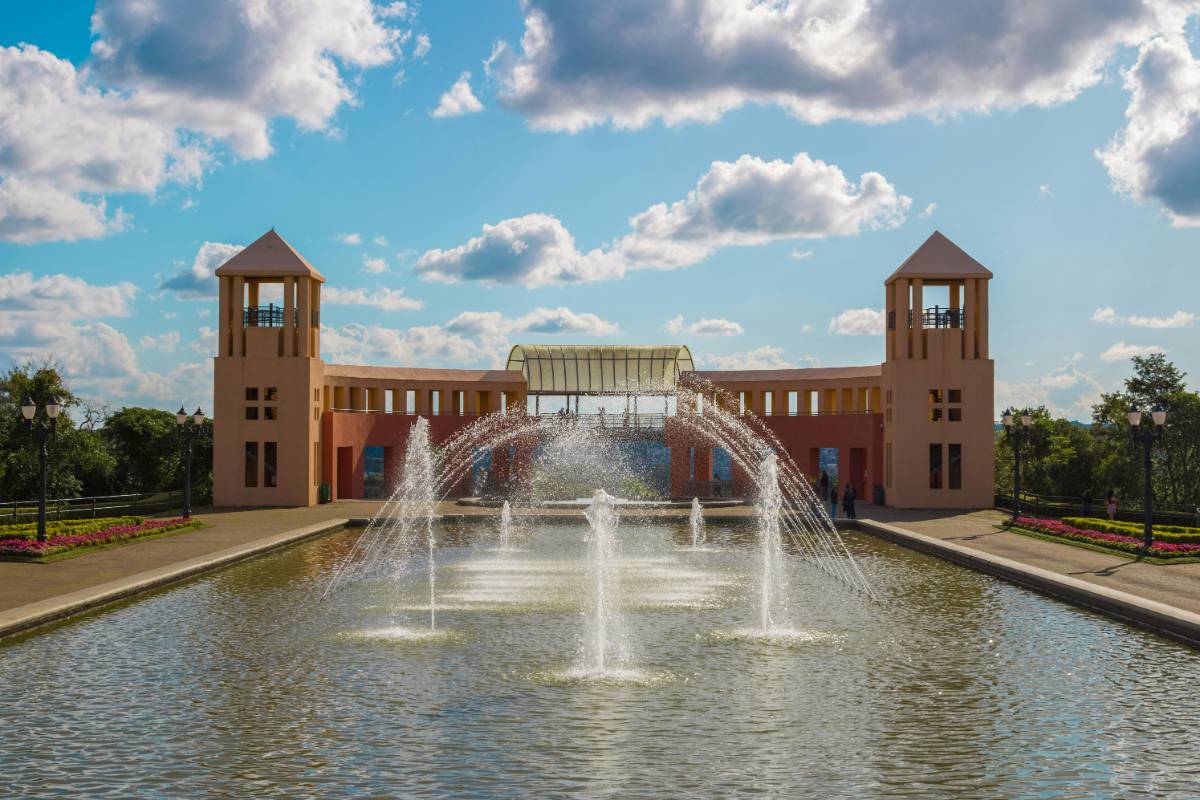
Movies have the incredible power to transport us to fantastical worlds, but what if we told you that some of those iconic movie locations can actually be visited in real life? From the lush landscapes of Middle-earth to the sun-soaked beaches of Greece, here are some famous movie locations you can visit and experience firsthand.1332a.jpg***Hobbiton, New Zealand - "The Lord of the Rings" TrilogyNew Zealand’s breathtaking landscapes played a crucial role in bringing J.R.R. Tolkien’s Middle-earth to life in Peter Jackson's "The Lord of the Rings" trilogy. One of the most iconic locations is Hobbiton, the fictional village where Frodo Baggins and his friends lived.Located in Matamata on the North Island, Hobbiton has been transformed into a permanent tourist attraction. Visitors can take a guided tour through the village’s rolling green hills, stroll through the iconic hobbit holes, and enjoy a pint at the Green Dragon Inn, just like in the movies.***Alnwick Castle, England - "Harry Potter" SeriesAlnwick Castle in Northumberland, England, is one of the most recognizable movie locations for "Harry Potter" fans. This 11th-century castle was used as the exterior of Hogwarts in the first two "Harry Potter" films.While the interior of Hogwarts was filmed on set, the castle’s stunning grounds, including the famous flying lesson scene, were shot here. Visitors to Alnwick can explore the castle and its beautiful gardens, and even participate in broomstick training just like Harry Potter did!***The Real "La La Land" Los Angeles, USAThe movie "La La Land" was a love letter to Los Angeles, and many of its iconic scenes were filmed in some of the city’s most recognizable locations. One of the best ways to experience the film in real life is by visiting the Griffith Observatory, where Emma Stone and Ryan Gosling danced under the stars.Another key location is the famous staircase at the Hollywood Bowl, where they share a romantic moment during the film's opening number. Take a walk through these and other spots to relive the magic of "La La Land."1332b.jpg***The Colosseum, Rome - "Gladiator"The Colosseum in Rome is one of the most iconic landmarks in the world, and it also played a starring role in Ridley Scott’s "Gladiator." The film’s dramatic battle scenes and gladiator duels were filmed in and around this ancient amphitheater, which has stood the test of time since AD 80.When visiting the Colosseum, you can explore the arena, the underground chambers where gladiators once prepared for battle, and take in the stunning views of the city. The Colosseum remains a testament to ancient Roman history and is a must-see for history buffs and movie lovers alike.***The Beaches of Skopelos, Greece - "Mamma Mia!"The beautiful island of Skopelos in Greece provided the stunning backdrop for the 2008 film "Mamma Mia!" From the colorful buildings of Skopelos Town to the picturesque beaches, this Greek island is as idyllic in real life as it appears on screen.One of the most iconic locations is the Agios Ioannis Chapel, perched on a rocky outcrop overlooking the sea, where Meryl Streep's character sings "The Winner Takes It All." Fans of the movie can visit these unforgettable locations, explore the charming island, and enjoy the sun-kissed beaches.***The Dark Knight’s Gotham City, Chicago, USAThe bustling streets of Chicago were transformed into the fictional Gotham City in Christopher Nolan’s "The Dark Knight." Locations like the Chicago Board of Trade Building and the old Cook County Hospital provided the dark, gritty backdrop to the action-packed scenes featuring Batman and the Joker.Fans of the film can visit these iconic spots in the city, including the intersection where the Batmobile races through the streets. Chicago offers a unique opportunity to walk in the footsteps of your favorite superheroes and villains.***Neuschwanstein Castle, Germany - "Chitty Chitty Bang Bang"Germany’s Neuschwanstein Castle is often cited as the inspiration for Disney’s Sleeping Beauty Castle, but it also appeared in the 1968 film "Chitty Chitty Bang Bang." This fairy-tale castle, located in the Bavarian Alps, was the backdrop for some of the movie’s most magical moments.Visitors can tour the castle and enjoy stunning views of the surrounding mountains and countryside. The castle’s intricate architecture and lush surroundings make it a must-see for movie fans and history enthusiasts alike.***Bora Bora, French Polynesia - "The Bounty"Bora Bora, known for its crystal-clear waters and stunning landscapes, became famous in part because of its role in the 1984 film "The Bounty," which starred Mel Gibson and Anthony Hopkins. The movie’s dramatic depictions of the island’s pristine beauty are still a major draw for visitors today.Travelers can explore Bora Bora’s pristine beaches, go snorkeling with colorful marine life, or take a boat tour to fully appreciate the stunning surroundings that made it the perfect location for a tropical adventure film.***ConclusionFrom the rolling hills of New Zealand’s Hobbiton to the grand Colosseum in Rome, these iconic movie locations offer an unforgettable travel experience for movie buffs and adventure seekers alike. Whether you're reenacting your favorite scenes or simply soaking in the beauty of these spots, visiting real-life movie locations is a fantastic way to connect with your favorite films and explore the world in a new way.
By Abraham Benjamin · 10 May 2026
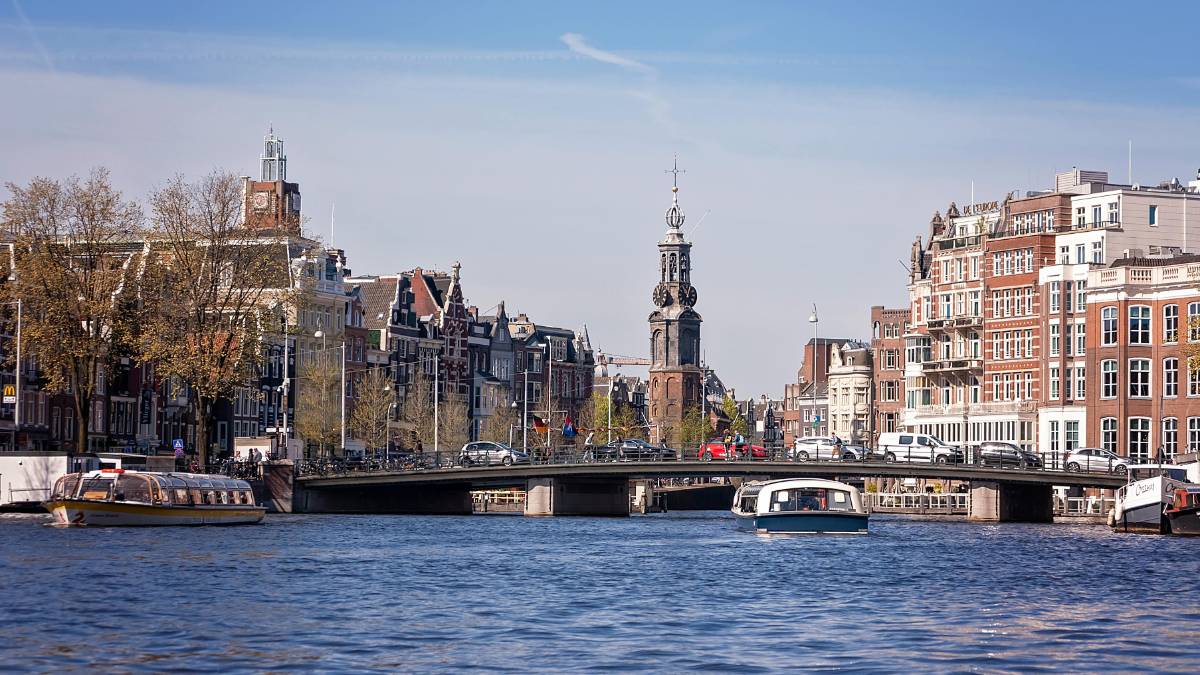
River cruising in Europe offers a unique way to explore the continent, combining scenic landscapes, charming towns, and rich cultural experiences. Whether you're drifting along the Rhine, Danube, or Seine, each river cruise presents its own special charm. Here are some of the top river cruise destinations in Europe that should be on every traveler's list.1331a.jpg***Rhine River: Germany, Netherlands, Switzerland, FranceThe Rhine River, one of Europe's most iconic waterways, flows through four countries, offering stunning views of medieval castles, vineyards, and charming cities. Starting in the Swiss Alps, the Rhine River cruises pass through Germany’s romantic Rhine Valley, with its picturesque towns like Bacharach and Koblenz.In the Netherlands, visit Amsterdam’s vibrant canals, while in France, enjoy the wine regions of Alsace. This route also brings you to the bustling city of Basel, Switzerland, where art and history meet. The Rhine is perfect for travelers seeking a mix of culture, history, and natural beauty.1331b.jpg***Danube River: Austria, Germany, Hungary, SlovakiaThe Danube River is one of Europe’s longest rivers, flowing through central and eastern Europe. A Danube river cruise is a journey through rich history, stunning architecture, and diverse landscapes. Starting in Germany, this cruise takes you to Austria’s capital Vienna, where imperial palaces and classical music fill the air.Next, cruise to Budapest, Hungary, a city divided by the Danube, with stunning bridges and the grand Parliament building. Other highlights include the beautiful city of Bratislava in Slovakia and Belgrade in Serbia. A Danube cruise is ideal for travelers who want to experience a variety of cultures and historical landmarks.***Seine River: FranceThe Seine River winds through the heart of France, providing a unique view of the country’s culture and history. A Seine river cruise offers a chance to experience the romance of Paris, with iconic landmarks like the Eiffel Tower and Notre-Dame Cathedral visible from the water.Beyond Paris, the Seine takes you to the charming town of Rouen, where you can explore medieval architecture, and to the Normandy region, home to the historic D-Day landing beaches. This river cruise is perfect for those who want to explore France’s history, art, and culture in a leisurely way.***Elbe River: Czech Republic, GermanyThe Elbe River, flowing through the Czech Republic and Germany, is a hidden gem for river cruisers. Starting in Prague, one of Europe’s most picturesque cities, this cruise takes you through the Czech countryside, past charming villages and vineyards.In Germany, the Elbe leads you to Dresden, a city with a fascinating history and beautiful baroque architecture. The Elbe is ideal for travelers who want a less-crowded, yet equally picturesque river cruise experience through central Europe.***Douro River: Portugal and SpainThe Douro River, located in the Iberian Peninsula, offers one of Europe’s most scenic river cruises. Flowing through northern Portugal and into Spain, this river is lined with terraced vineyards, offering some of the finest views in Europe. Cruising along the Douro gives you a chance to visit the UNESCO-listed city of Porto, famous for its wine cellars and port wine.The river also passes through the dramatic landscape of the Douro Valley, where you can visit historic towns like Régua and Pinhão. This cruise is perfect for wine lovers and those who enjoy dramatic landscapes and a slower pace.***Rhône River: FranceThe Rhône River flows through the beautiful southern part of France, offering cruises through Provence and Burgundy, two of the country’s most famous wine regions. A Rhône river cruise gives you the opportunity to explore charming cities like Lyon, where gastronomy and history blend seamlessly.Continue your journey through the vineyards of Chablis and Beaujolais, stopping in quaint towns like Avignon, where you can see the historic Palais des Papes. The Rhône is perfect for travelers who enjoy food, wine, and history combined with scenic beauty.***Volga River: RussiaFor an off-the-beaten-path adventure, consider a Volga River cruise in Russia. The Volga is Russia’s longest river and is the gateway to discovering the country’s unique culture and history. The cruise typically starts in Moscow, where you can see the Kremlin and Red Square, and then travels to St. Petersburg, a city known for its imperial palaces, canals, and world-class museums.Along the way, you’ll visit charming Russian towns such as Uglich and Yaroslavl, where you can experience traditional Russian culture. A Volga river cruise is ideal for those seeking a deeper understanding of Russia’s past and present.***ConclusionRiver cruises in Europe provide a relaxed yet enriching way to explore multiple countries in one journey. Whether you’re cruising through the fairytale castles of the Rhine, experiencing the classical beauty of the Danube, or indulging in wine and history along the Rhône, there is a river cruise that suits every traveler’s interests. Pack your bags, hop aboard, and get ready to explore the world from a different perspective.
By John Michael Smith · 09 May 2026
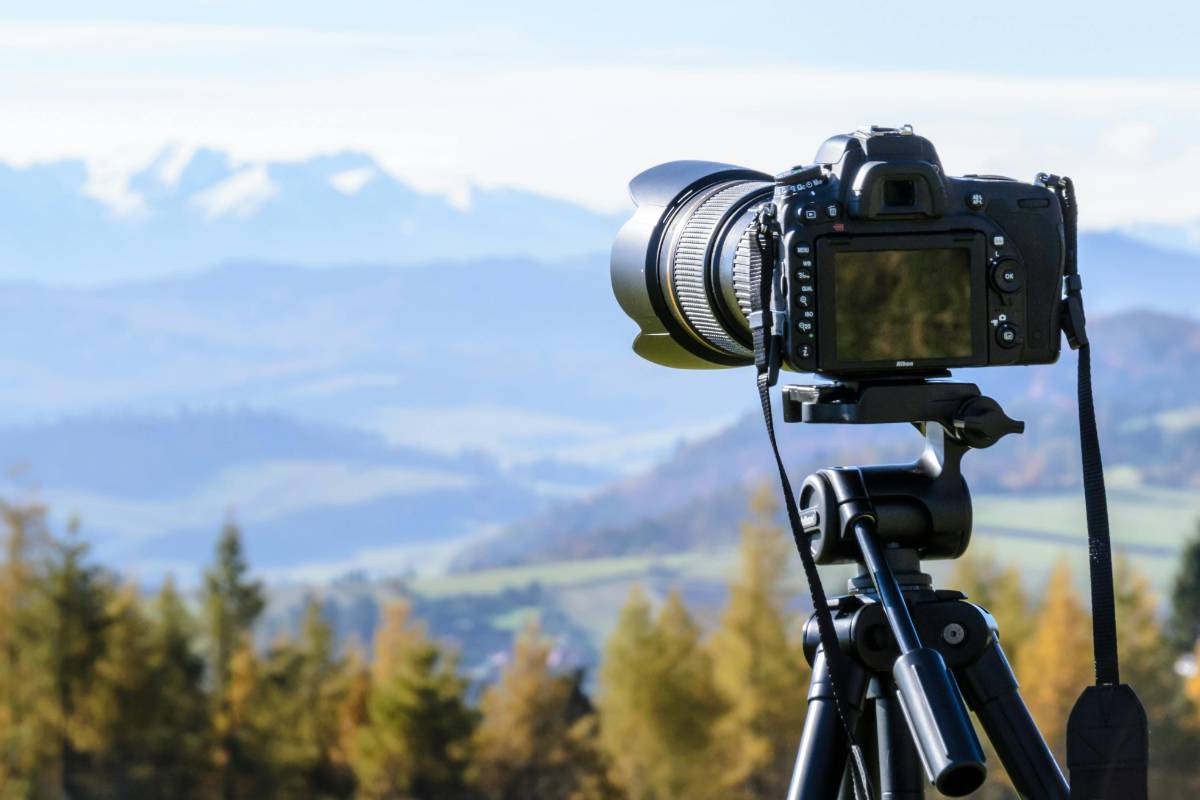
Travel photography is an exciting way to document your adventures and share your experiences with others. Whether you’re visiting iconic landmarks, exploring hidden gems, or capturing everyday moments, knowing how to take the perfect shot can elevate your travel memories. Here are some essential tips to help you improve your travel photography skills.1330a.jpg***Plan Your Shots Ahead of TimeBefore heading out to explore, take some time to research the destination and plan your shots. Look for landmarks, natural wonders, and cultural events that might be photogenic. Consider the time of day you’ll be visiting these locations, as lighting plays a huge role in photography.You can also look for specific angles or viewpoints that can make your photos stand out. Using apps like Google Earth or Instagram’s location tags can give you a sense of popular photo spots in the area. By planning your shots, you can ensure that you don’t miss any incredible opportunities.***Focus on LightingLighting is one of the most important factors in photography. The golden hours, just after sunrise and before sunset, provide soft, warm light that is perfect for capturing stunning images. Avoid harsh midday sun, which can create strong shadows and overexposure.If you’re shooting indoors or in shaded areas, try to make the most of natural light coming through windows or openings. In low-light conditions, consider using a tripod to stabilize your camera and avoid blurry images. You can also experiment with artificial lighting, like street lamps or lanterns, for unique nighttime shots.1330b.jpg***Use the Rule of ThirdsThe rule of thirds is a simple yet effective photography principle. Imagine dividing your image into nine equal parts by drawing two horizontal and two vertical lines. By placing your subject along these lines or at their intersections, you create balance and visual interest in your composition.While the rule of thirds is a great guideline, don’t be afraid to break it when necessary. In some cases, centering your subject can create a powerful and dramatic image. Experiment with different compositions and see what works best for each shot.***Tell a StoryGreat travel photos do more than capture a moment—they tell a story. Try to convey the atmosphere of the place, the people, and the culture through your images. Include details that provide context, such as local food, architecture, or the landscape.If you’re photographing people, consider capturing candid moments that reflect their emotions or daily life. Street photography, for example, often tells a compelling story of life in a particular city. Pay attention to the surroundings and try to include elements that help tell a visual narrative.***Capture Different PerspectivesTo make your travel photos stand out, try experimenting with different angles and perspectives. Shoot from above, below, or from the side to capture scenes in a new and creative way. Getting close to your subject can highlight details, while wide-angle shots can show the grandeur of landscapes or architecture.You can also play with reflections, shadows, and silhouettes for more dramatic compositions. Don’t limit yourself to eye-level shots—be playful and think outside the box to make your photos unique.***Pack the Right GearHaving the right gear is essential for capturing great travel photos. A DSLR or mirrorless camera offers flexibility and high-quality images, but you can also use a smartphone if that’s all you have. Many smartphones today have excellent cameras that are perfect for travel photography.If you’re using a professional camera, make sure to bring a variety of lenses, such as a wide-angle lens for landscapes and a zoom lens for distant subjects. Don’t forget extra batteries, memory cards, and a tripod for stability. A portable charger can also be a lifesaver while traveling.***Edit Your PhotosOnce you’ve captured your photos, take the time to edit them to bring out their full potential. Editing can enhance the colors, contrast, and sharpness of your images, making them even more striking. There are several photo editing apps and software, such as Lightroom or Snapseed, that offer powerful tools for both beginners and advanced photographers.Be careful not to over-edit, though. The goal is to enhance the image while maintaining its natural look. Adjust the exposure, remove distractions, and apply filters if desired, but always keep the authenticity of the moment intact.***Respect Local Customs and PrivacyWhen photographing people or cultural sites, always be respectful of local customs and privacy. In some cultures, taking photos without permission may be considered offensive. Always ask for permission before photographing individuals, particularly in rural areas or indigenous communities.If you’re photographing sacred or religious sites, be sure to follow any guidelines or restrictions. Some places may have rules about where photography is allowed or the types of photos that can be taken. By being mindful of these considerations, you ensure that your travel photography is both respectful and ethical.***ConclusionTravel photography is about more than just snapping pictures—it’s about capturing the essence of a place, its people, and the memories you create along the way. With the right gear, techniques, and a little creativity, you can create photos that not only tell a story but also inspire others to explore the world. Don’t forget to enjoy the process, experiment with different approaches, and most importantly, have fun while documenting your travels.
By Robert Anthony Brown · 08 May 2026
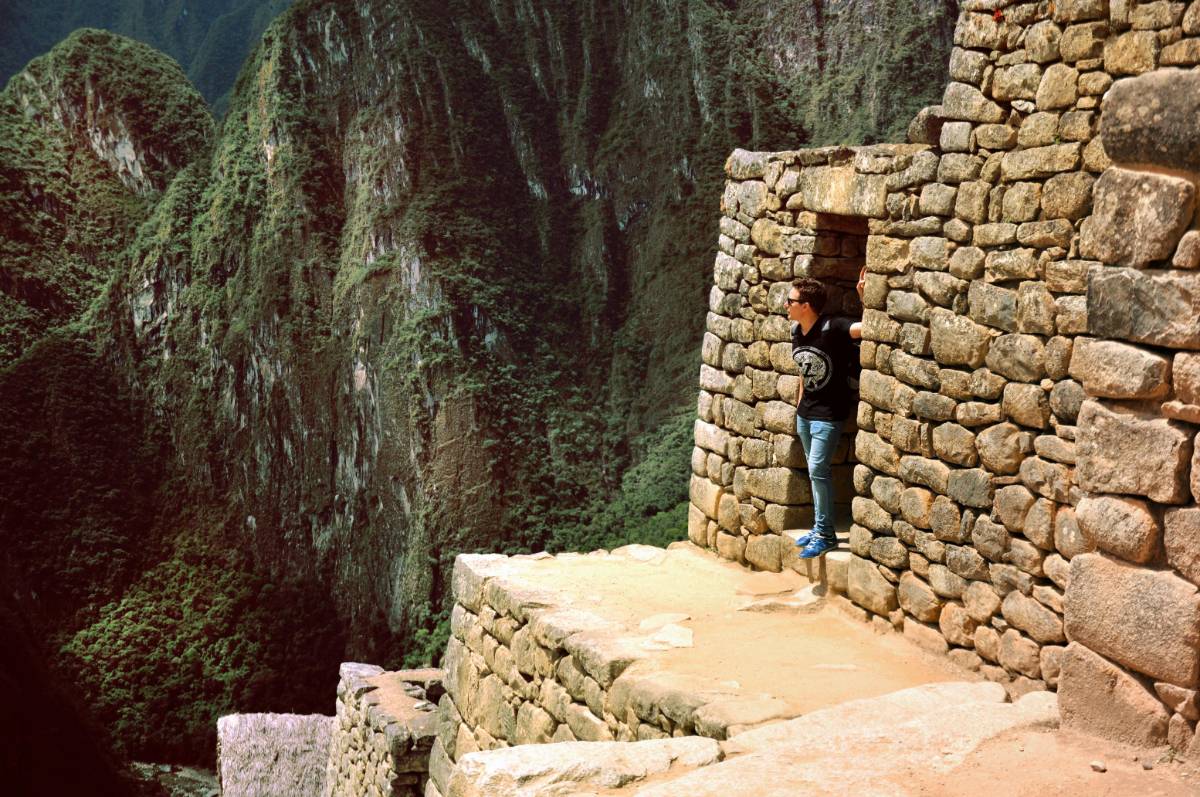
Traveling to destinations that are home to indigenous cultures offers a unique and enriching experience. By immersing yourself in these diverse traditions and lifestyles, you can gain a deeper understanding of the world. However, it’s crucial to approach these travels with respect and awareness, ensuring that your presence supports and honors the indigenous communities. Here are some must-visit destinations, as well as tips on how to travel responsibly when exploring indigenous cultures.1329a.jpg***Machu Picchu, Peru: Inca Heritage and Spiritual ConnectionMachu Picchu, located in the Andes Mountains of Peru, is one of the most iconic sites that highlights the rich history of the Inca civilization. The indigenous Quechua people still inhabit many regions surrounding the sacred valley, and their culture remains a vital part of the Peruvian identity.When visiting Machu Picchu, it’s important to respect local customs, support indigenous-run businesses, and learn about the spiritual significance of the site. Engage with local Quechua guides who can share insights about the history, culture, and traditions of their people. By doing so, you'll gain a deeper understanding of the site’s importance while helping preserve the region’s cultural heritage.***The Maori Culture, New Zealand: A Rich Legacy of TraditionNew Zealand is home to the indigenous Maori people, whose traditions and language are deeply embedded in the country’s identity. The Maori culture is known for its art, dance (haka), and intricate carvings, and is an integral part of New Zealand’s tourism landscape.To experience the Maori culture, consider visiting the Rotorua region, where visitors can experience traditional feasts, arts, and performances. Be respectful by learning a few words in te reo Maori, the indigenous language, and by participating in cultural activities with an open heart. Responsible tourism is key—support local Maori-owned businesses and ensure that your visit helps preserve the culture for future generations.1329b.jpg***Aboriginal Culture, Australia: Ancient Traditions and Connection to LandAustralia’s Aboriginal peoples have a rich and ancient history that dates back tens of thousands of years. The connection to the land and natural world is at the heart of Aboriginal culture, and visitors can learn about their deep spiritual ties to the earth through art, storytelling, and guided tours.To experience Aboriginal culture responsibly, visit regions like the Northern Territory, where you can explore sacred sites like Uluru (Ayers Rock) and learn about the indigenous stories connected to these landscapes. Always approach these sacred places with respect, and follow the guidance of Aboriginal guides who can share their traditions in an informed and respectful manner.***The Native American Experience, United States: History and Cultural PreservationThe United States is home to over 500 federally recognized Native American tribes, each with its unique history, language, and traditions. From the Navajo Nation in the Southwest to the Lakota Sioux in the Great Plains, there are countless opportunities to explore Native American culture.When traveling to Native American reservations or cultural centers, it’s essential to engage respectfully and learn about their history, challenges, and contributions to society. Visit museums, attend cultural events, and support native artisans and local businesses. Responsible tourism can help support these communities while preserving their cultural heritage.***The Sami Culture, Scandinavia: Reindeer Herding and Arctic TraditionsThe Sami people are the indigenous group of the Arctic regions of Norway, Sweden, Finland, and Russia. Traditionally, they are known for their reindeer herding and unique lifestyle that is deeply tied to the harsh, beautiful Arctic environment.To experience Sami culture, visit regions like Sweden’s Lapland or Norway’s Finnmark. There, you can learn about traditional Sami practices, stay in indigenous-owned lodges, and take part in reindeer herding activities. Ensure that your visit respects their way of life and supports the Sami community’s efforts to maintain their traditions while adapting to modern times.***Responsible Tourism TipsWhen traveling to indigenous communities, it’s vital to adopt a responsible approach that supports the local culture, environment, and economy. Here are a few tips for responsible tourism when exploring indigenous cultures:Respect local customs and traditions: Take time to learn about the culture you are visiting and follow local etiquette. Be mindful of sacred sites and always ask for permission before taking photographs.Support indigenous businesses: Choose tours, accommodations, and restaurants run by indigenous people to directly contribute to their communities.Leave no trace: Be conscious of your environmental impact. Stick to marked trails, avoid littering, and be mindful of the flora and fauna around you.Learn from locals: Engage with indigenous guides and community members to gain a deeper understanding of their history and culture. Listen to their stories and be respectful of their perspectives.***ConclusionExploring indigenous cultures offers an enriching and transformative experience, but it’s important to approach these travels with respect and mindfulness. By following responsible tourism practices, you can ensure that your visit supports and respects the traditions, culture, and livelihoods of the indigenous communities you encounter. Remember, responsible tourism is about making a positive impact and helping to preserve these cultures for future generations.
By Robert Anthony Brown · 07 May 2026
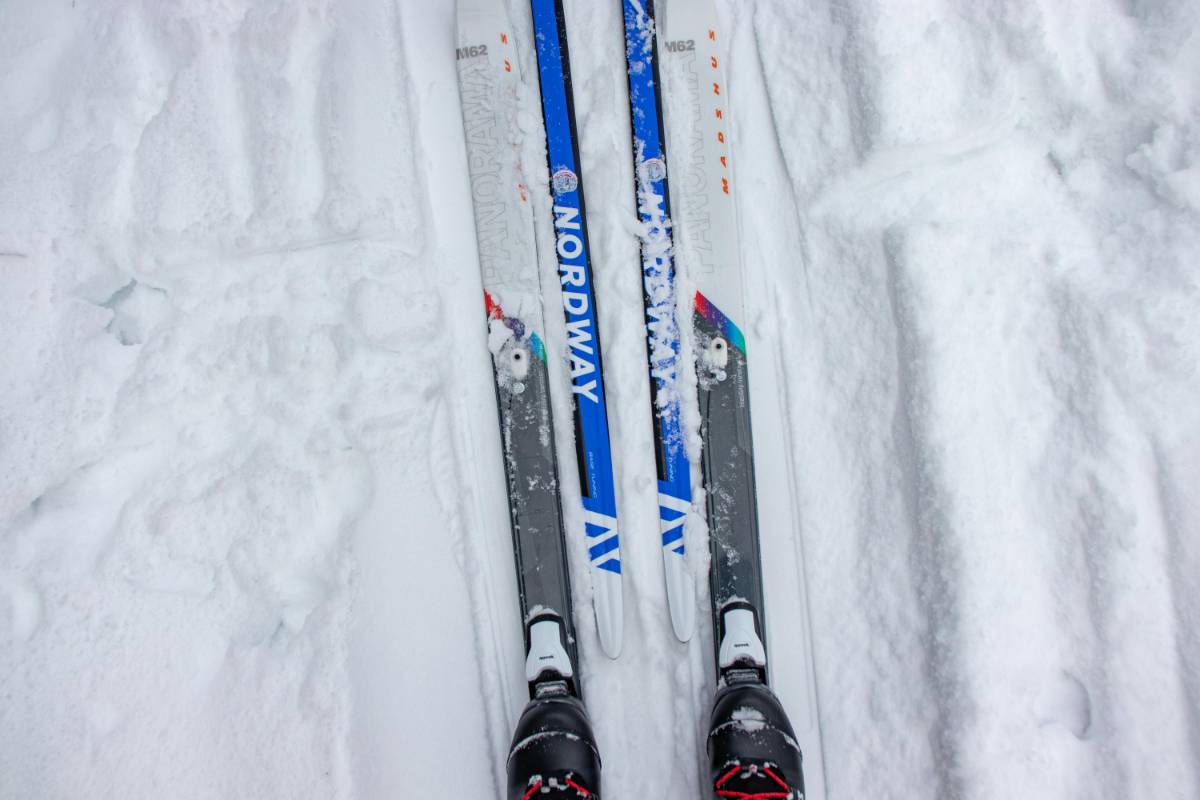
Winter sports enthusiasts know that the coldest months of the year offer some of the most exhilarating and unforgettable experiences. From skiing and snowboarding to ice skating and snowshoeing, there are countless destinations around the world that cater to winter sports lovers. Here are some of the top places to visit if you're looking to embrace the chill and hit the slopes.1328a.jpg***Zermatt, Switzerland: A Skiing ParadiseZermatt is known for its stunning alpine views and world-class skiing. Nestled at the foot of the iconic Matterhorn, this Swiss mountain resort offers a variety of slopes for skiers and snowboarders of all levels. Zermatt's ski resort is one of the highest in Europe, ensuring excellent snow conditions throughout the winter season.The town itself is charming, with car-free streets and a cozy atmosphere, making it a perfect destination for winter sports and relaxation. Besides skiing, visitors can enjoy ice climbing, snowshoeing, and even take a scenic helicopter tour to see the snowy peaks from above.***Aspen, Colorado: The Ultimate Winter PlaygroundAspen is a world-renowned ski destination in the United States, known for its luxurious atmosphere and exceptional slopes. With four major mountains offering varied terrain, Aspen is a favorite among skiers and snowboarders. The town has a vibrant après-ski scene, with high-end shops, restaurants, and spas to unwind after a day on the slopes.In addition to skiing and snowboarding, Aspen offers snowmobiling, ice skating, and even dog sledding for those seeking adventure beyond the slopes. The picturesque winter setting and upscale amenities make Aspen a top choice for winter sports enthusiasts.1328b.jpg***Whistler, Canada: The North American Skiing MeccaWhistler is one of North America’s largest and most popular ski resorts, offering a massive skiable area across two mountains: Whistler and Blackcomb. With over 8,000 acres of terrain, there’s something for every type of winter sports enthusiast here, from beginners to seasoned pros.Whistler also boasts an excellent après-ski culture, with numerous bars, restaurants, and spas to help you relax after a long day of skiing or snowboarding. Beyond the slopes, visitors can enjoy snowshoeing, ice climbing, and zip-lining through the snow-covered forests.***Banff, Canada: A Scenic Winter WonderlandBanff, located in the heart of the Canadian Rockies, is a picturesque town that offers both skiing and stunning winter landscapes. The Banff National Park is home to several excellent ski resorts, including Lake Louise, Sunshine Village, and Mount Norquay. These resorts offer breathtaking views, exceptional snow conditions, and an array of terrain for skiers and snowboarders of all skill levels.Banff also provides opportunities for other winter activities, such as ice skating on frozen lakes, snowshoeing through pristine forests, and dog sledding. With its stunning mountain scenery and charming town, Banff is an unforgettable winter destination.***Niseko, Japan: A Hidden Gem for Powder SnowFor those seeking some of the best powder snow in the world, Niseko in Japan is the place to go. Located on the northern island of Hokkaido, Niseko is known for its abundant, light, and dry powder snow, making it a dream destination for skiers and snowboarders alike.The resort is renowned for its diverse terrain and excellent snow conditions, as well as its vibrant après-ski scene. Beyond the slopes, Niseko offers unique experiences like onsen (hot spring) baths, snowshoeing, and snowmobiling. With its picturesque landscapes and friendly atmosphere, Niseko is a must-visit for any winter sports enthusiast.***Chamonix, France: The Birthplace of AlpinismChamonix is a legendary winter sports destination located in the French Alps. Known as the birthplace of alpinism, it’s a mecca for mountaineers and skiers alike. The resort offers challenging slopes for advanced skiers and snowboarders, as well as plenty of off-piste terrain for those looking for an adrenaline rush.In addition to skiing, visitors can enjoy ice climbing, snowshoeing, and paragliding. The dramatic mountain views and rich history of Chamonix make it a top choice for winter sports enthusiasts looking for both challenge and adventure.***ConclusionWhether you're a seasoned skier or new to winter sports, these top destinations offer some of the best slopes, scenery, and experiences for winter sports enthusiasts. From the luxurious resorts of Aspen to the powdery snow of Niseko, there’s no shortage of thrilling winter destinations to explore. So, pack your gear, embrace the cold, and get ready for the winter adventure of a lifetime.
By Christopher David Wilson · 06 May 2026