
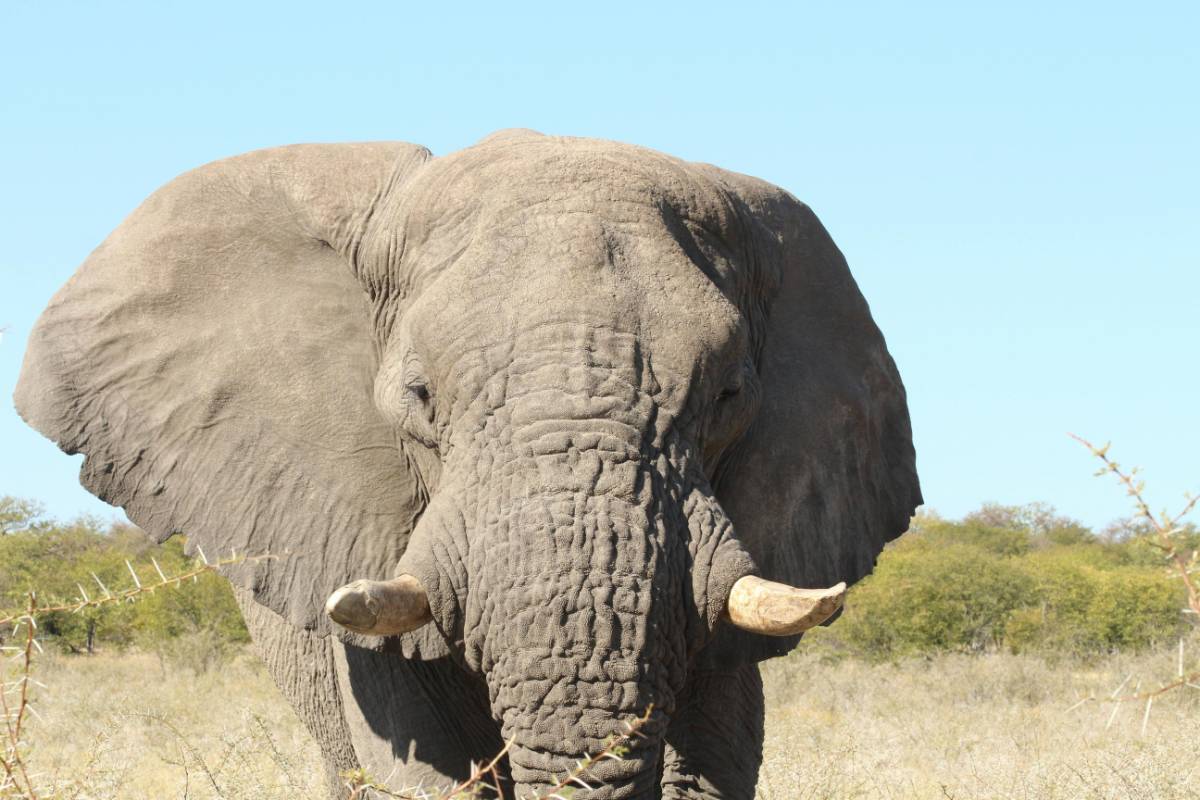
The Serengeti is one of the most famous safari destinations in the world, and for good reason. It’s home to the Great Migration, where millions of wildebeests, zebras, and gazelles make their way across the plains in search of food and water. The park offers year-round wildlife viewing, with excellent opportunities to see the Big Five—lion, elephant, buffalo, leopard, and rhinoceros—along with cheetahs, giraffes, and various bird species.
By John Michael Smith · 11 May 2026
Africa is known for its incredible wildlife, and a safari is one of the best ways to experience the continent's natural beauty and rich biodiversity. From the majestic "Big Five" to unique bird species, Africa offers some of the world’s best wildlife viewing opportunities. Here are the top safari destinations that you should consider for your next adventure.
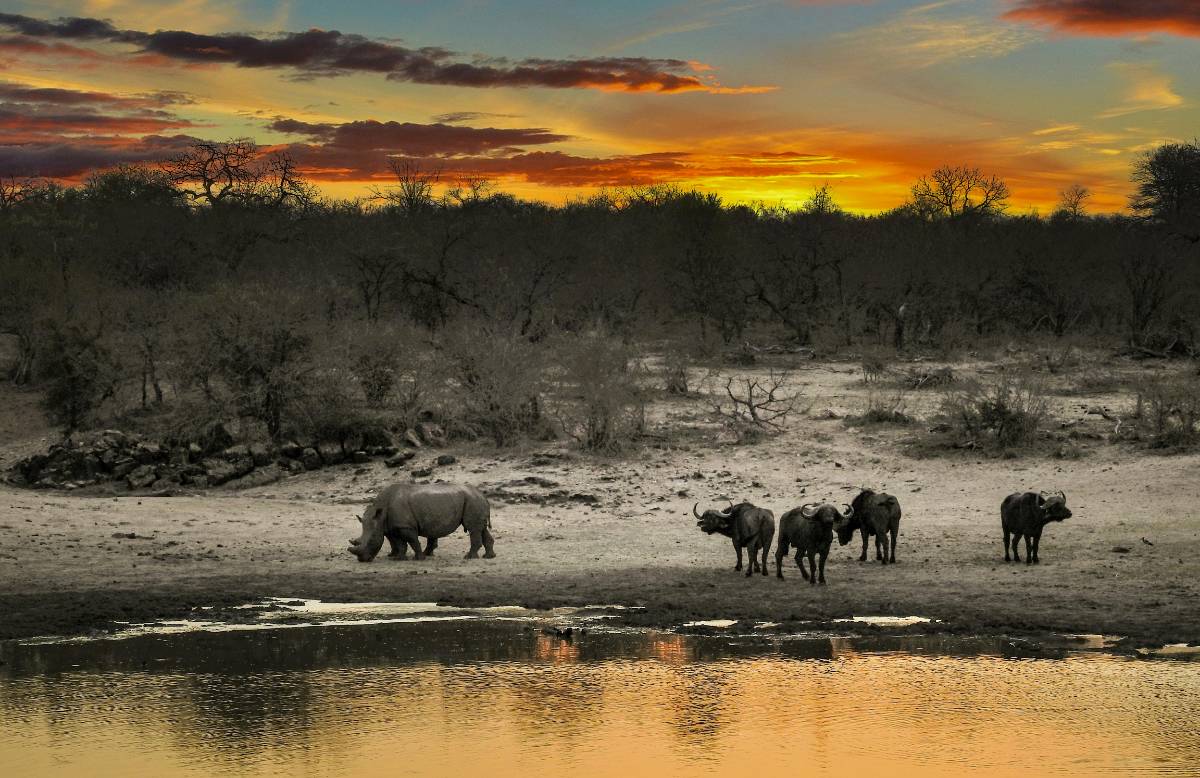 Serengeti National Park, Tanzania
The Serengeti is one of the most famous safari destinations in the world, and for good reason. It’s home to the Great Migration, where millions of wildebeests, zebras, and gazelles make their way across the plains in search of food and water. The park offers year-round wildlife viewing, with excellent opportunities to see the Big Five—lion, elephant, buffalo, leopard, and rhinoceros—along with cheetahs, giraffes, and various bird species.
A visit to Serengeti National Park offers a true African safari experience, with luxurious lodges and tented camps offering both comfort and an up-close view of the wildlife.
Maasai Mara National Reserve, KenyaLocated in southwestern Kenya, the Maasai Mara is another iconic destination for safari enthusiasts. It’s particularly famous for the annual migration of wildebeests and zebras from the Serengeti to the Mara. During the migration, you can witness dramatic river crossings and predation by lions, crocodiles, and other predators.
The Maasai Mara is also home to abundant wildlife, including elephants, giraffes, buffaloes, and various antelope species. Additionally, it offers a glimpse into the Maasai culture, with opportunities to visit local villages and learn about their traditional way of life.
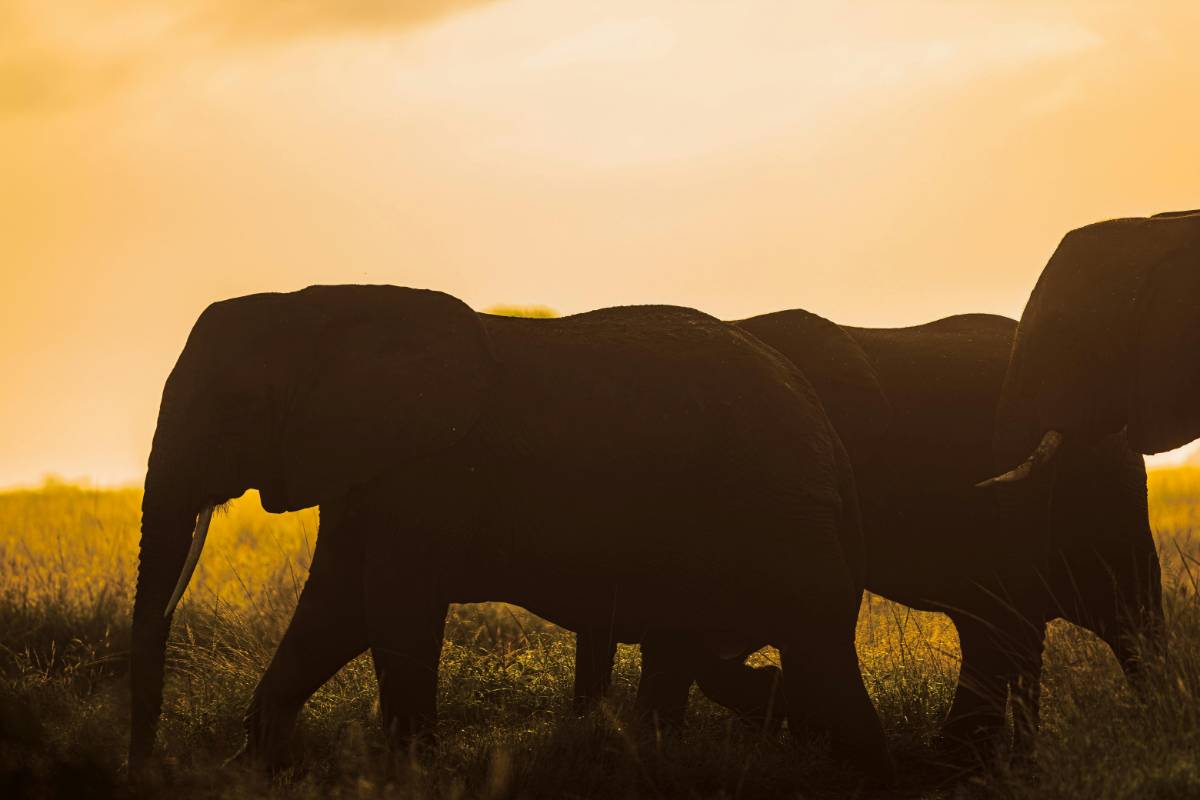
Kruger National Park is one of the largest game reserves in Africa and offers a fantastic safari experience with a wide variety of wildlife. The park is home to over 500 species of birds and is a haven for the Big Five. Kruger is particularly known for its excellent infrastructure, with a range of lodges and camps catering to different budgets.
In addition to game drives, Kruger offers guided walking safaris where visitors can get an up-close view of smaller wildlife and learn about the ecosystem from expert guides. The park’s accessibility and vast array of wildlife make it a top choice for safari-goers.
The Okavango Delta is a unique inland delta and one of the most beautiful safari destinations in Africa. The delta is a UNESCO World Heritage site and offers an exciting mix of traditional game drives and boat safaris. Visitors can see elephants, lions, leopards, hippos, and crocodiles in this lush, water-filled landscape.
During seasonal flooding, the delta transforms into a paradise for wildlife, attracting hundreds of bird species and large herds of herbivores. A mokoro (dugout canoe) ride through the delta is a unique way to experience its beauty and spot wildlife from a different perspective.
Chobe National Park, BotswanaChobe National Park is best known for its large elephant population, which is among the largest in Africa. The park is located in northern Botswana and offers a mix of game drives, boat safaris, and bird watching. It’s also home to a wide range of other wildlife, including buffalo, lions, leopards, and crocodiles.
Chobe is unique in that it offers both land and water-based safari experiences. A boat cruise along the Chobe River is an incredible way to see wildlife up close, especially elephants as they drink from the riverbank.
Etosha National Park, NamibiaEtosha National Park is located in northern Namibia and is one of the best places to see wildlife in the country. The park is home to a vast salt pan that makes it easy to spot animals as they gather around waterholes. You can expect to see elephants, lions, giraffes, and rhinos, as well as a wide variety of bird species.
Etosha offers a unique safari experience with its stunning landscapes and abundant wildlife. The park has a number of campsites and lodges that provide excellent views of waterholes, where you can relax and watch animals come and go throughout the day.
Addo Elephant Park, South AfricaLocated near Port Elizabeth, Addo Elephant Park is famous for its large elephant population and is home to over 600 elephants. The park also offers a diverse range of wildlife, including lions, leopards, buffaloes, and various antelope species.
Addo Elephant Park provides excellent self-drive safari opportunities, and visitors can explore the park at their own pace. It’s a great destination for families, as the park is easily accessible and offers educational programs for children.
ConclusionAfrica’s safari destinations offer unparalleled wildlife viewing opportunities, each with its unique landscapes and ecosystems. Whether you’re exploring the Serengeti’s Great Migration, observing elephants in Chobe, or experiencing the diversity of Kruger National Park, there’s a safari experience to suit every traveler. Be sure to plan ahead, choose your destination based on the wildlife you want to see, and prepare for a truly unforgettable adventure in the wilds of Africa.
Subscribe to our newsletter to get our newest articles instantly!

Senior Contributor
John Michael Smith is passionate about impactful storytelling. With a unique voice and deep insights, they turn everyday stories into compelling reads that resonate and inform.
Read Full Bio
Budget travel in 2026 is less about chasing the lowest price and more about making smarter decisions across your entire trip. With dynamic pricing, hidden fees, and bundled services becoming standard, travelers who focus on total cost—not just upfront deals—are the ones who actually save money.***The Shift From Cheap to Smart TravelFor years, budget travel meant finding the cheapest flight or hotel. Today, that approach can lead to higher overall spending due to added fees, inconvenient schedules, and poor planning. Airlines and booking platforms now use advanced pricing systems that reward flexibility and timing rather than simple bargain hunting.A low-cost flight with baggage fees, seat selection charges, and long layovers can easily cost more than a slightly higher fare that includes everything. The new rule is clear: the cheapest option is rarely the most cost-effective.***Why Travel Costs Feel HigherTravelers across the U.S. are noticing rising costs, driven by increased demand, higher fuel prices, and dynamic pricing algorithms. Prices now fluctuate based on demand patterns, browsing behavior, and booking timing.While baseline prices may be higher, opportunities to save still exist for those who understand how pricing works and adapt their strategies accordingly.Ar202605.webp***Booking Flights the Smart WayAirfare remains one of the biggest expenses, but smart strategies still lead to savings. Flexibility is key—flying midweek, choosing early or late departures, and setting up fare alerts can significantly reduce costs.Booking too early is no longer always beneficial. For domestic trips, the best deals are often found within a 3–8 week window before departure. Price tracking tools help travelers avoid guesswork and book at the right time.***Rethinking Accommodation ChoicesAccommodation pricing has become more complex with additional service and cleaning fees. Comparing total costs rather than nightly rates is essential when choosing between hotels and rentals.Hotels increasingly offer competitive pricing, flexible cancellation policies, and loyalty perks. Staying slightly outside city centers can also reduce costs without sacrificing convenience.***Transportation: A Hidden ExpenseGround transportation is often overlooked but can significantly impact your budget. Rideshare services may seem convenient but can become expensive over multiple days.Using public transportation, booking rental cars early, or combining different transport options based on your itinerary can help manage costs more effectively.***Saving on Food Without Missing OutFood is one of the easiest areas to control spending. Travelers can save by making lunch their main meal, buying breakfast items from grocery stores, and limiting high-cost dining to select experiences.Local markets, casual eateries, and street food provide authentic and affordable alternatives to tourist-focused restaurants.***Experiences: Spend with IntentionActivities and attractions can quickly add up. Instead of trying to do everything, focus on a few meaningful experiences and balance them with free options like parks, museums, and local events.Ar202606.webpMany cities offer free admission days or low-cost cultural activities that provide great value without stretching your budget.***Using Technology WiselyTravel apps and booking platforms are powerful tools, but they can also lead to impulse spending. Limited-time deals and notifications can create urgency that doesn’t always result in savings.Using technology for tracking prices, organizing plans, and comparing options is effective—relying on it for decisions is not.***Bundled Travel vs DIY PlanningBundled travel packages are becoming more competitive and can simplify budgeting by combining flights and accommodations into one price.However, for flexible or multi-city trips, booking each component separately often provides better control and customization.***Real-World ExampleA traveler choosing the cheapest individual options may end up paying extra fees along the way, while another traveler who books a bundled package and plans meals strategically often spends less overall.The difference lies in focusing on total trip cost rather than isolated savings.https://www.youtube.com/watch?v=EedytWqK9I4***ConclusionBudget travel in 2026 is about strategy, flexibility, and awareness. Travelers who understand pricing systems, avoid hidden costs, and prioritize value over price consistently achieve better outcomes.By making informed decisions across flights, accommodation, food, and activities, it’s still entirely possible to travel well without overspending.
By Abraham Benjamin · 14 May 2026

As more travelers become aware of their impact on the planet, sustainable and eco-friendly travel practices are gaining popularity. Traveling mindfully can help preserve destinations, reduce environmental impact, and support local communities. Here are some practical tips to make your travels more sustainable.1154a.jpg***1. Choose Eco-Friendly AccommodationsLook for accommodations that prioritize sustainability, such as eco-lodges, green hotels, or hostels that use renewable energy and implement waste-reducing practices. Many eco-friendly accommodations are also certified by programs like Green Key or EarthCheck, ensuring they meet environmental standards.***2. Pack Light and Bring Reusable ItemsPacking light not only makes travel easier but also reduces carbon emissions, as lighter planes and cars use less fuel. Bring reusable items like a water bottle, cutlery, shopping bag, and toiletries to minimize single-use plastics and waste throughout your journey.***3. Support Local and Ethical BusinessesSupporting locally owned businesses, restaurants, and shops can make a positive impact on the community and reduce the environmental costs associated with imported goods. Choose local guides, handmade products, and ethical tours that benefit the region you're visiting.1154b.jpg***4. Opt for Sustainable TransportationConsider using public transportation, biking, or walking instead of cars or planes when possible. Trains and buses are often more eco-friendly options for traveling between destinations. When flying is necessary, consider carbon offset programs to counterbalance emissions.***5. Respect Local Wildlife and NatureBe mindful of your surroundings by following local regulations and respecting natural habitats. Avoid activities that exploit animals, such as unethical wildlife tours, and make sure any interactions with animals are conducted responsibly and in their natural environments.***6. Minimize Your Energy and Water UseBe conscious of your resource use by limiting air conditioning, turning off lights, and conserving water in hotels. Small actions like taking shorter showers or reusing towels can collectively make a significant difference in reducing your footprint.***ConclusionSustainable travel is about making mindful choices that respect the environment, culture, and communities of the places we visit. By incorporating these eco-friendly practices into your travel plans, you can help ensure that the beauty and resources of each destination are preserved for future generations.
By Abraham Benjamin · 22 Apr 2026
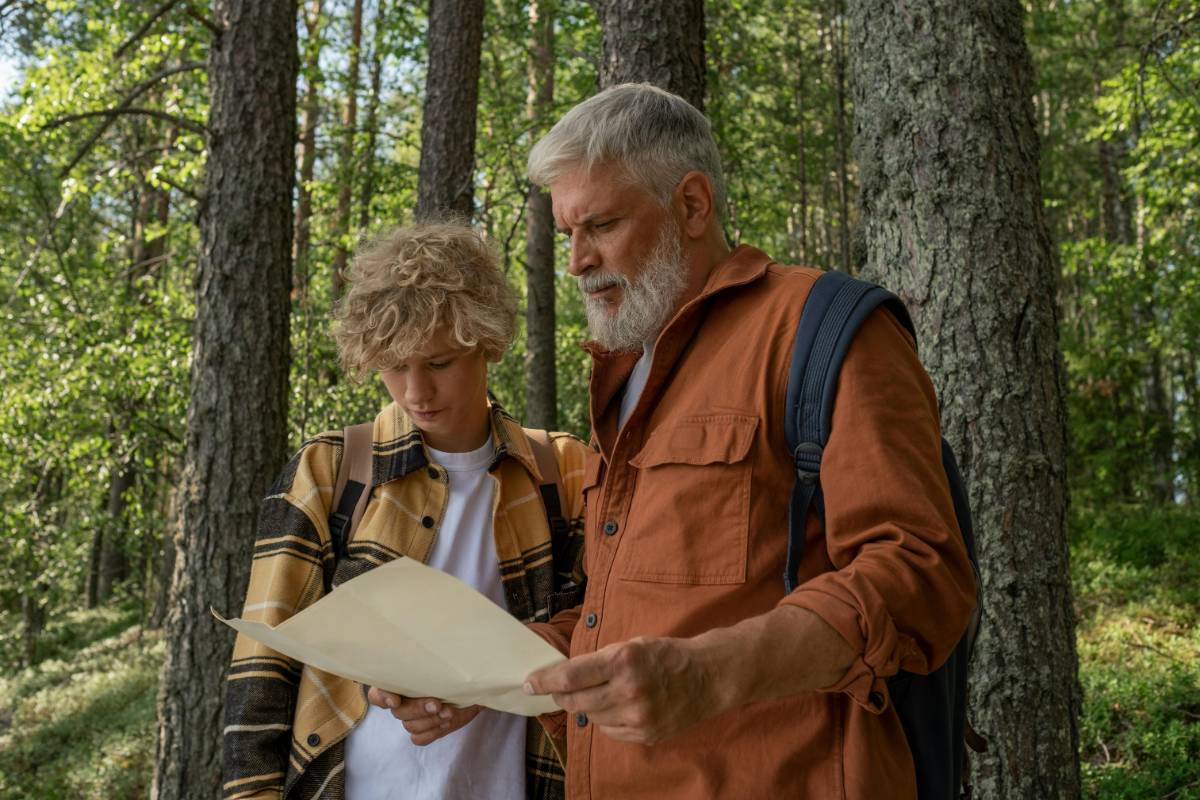
Embarking on a backpacking adventure offers an unparalleled way to explore new places, experience diverse cultures, and connect with nature. For those new to the experience, planning and preparing for a backpacking trip can seem daunting, but with the right strategies and knowledge, you can set yourself up for a safe and memorable journey.1166a.jpg***Choosing the Right Gear: Essentials for Every BackpackerSelecting the appropriate gear is one of the most crucial aspects of preparing for a successful backpacking trip. This includes choosing a reliable backpack that fits well and distributes weight evenly, as well as packing weather-appropriate clothing and durable footwear. Key essentials also include a high-quality sleeping bag, a lightweight tent, and a compact cooking setup if you plan to camp overnight.Additionally, it's important to have a first-aid kit, a multi-tool, and navigation tools such as a map, compass, or GPS. Consider the weight and bulk of each item carefully, as overpacking can lead to physical strain. Opt for multipurpose gear and prioritize lightweight options to keep your load manageable.***Planning Your Route: Understanding Terrain and WeatherPlanning your route in advance is critical for ensuring safety and enjoyment on your backpacking trip. Begin by researching the area you wish to explore, paying close attention to the terrain, elevation changes, and potential hazards. Choose a trail that matches your fitness level and experience, and be prepared for unexpected changes in weather, especially if you’re hiking in mountainous or coastal areas.When planning, consider factors such as the length of the trail, availability of water sources, and designated camping areas. Online trail maps and apps can offer detailed insights into popular backpacking routes, allowing you to gauge the difficulty level and determine if the trail aligns with your comfort zone.1166b.jpg***Packing Light: Streamlining Your Supplies for EfficiencyEfficient packing is an art form in backpacking, and it starts with minimizing non-essential items. Stick to the basics, and aim to carry only what you’ll realistically need. This means packing versatile clothing that can be layered for warmth, and investing in compact, lightweight equipment.Organize your backpack strategically, with frequently used items such as snacks, water, and a map placed in easily accessible compartments. Heavier items should be packed close to your back to maintain stability, while lighter items can be placed further away. This method of packing reduces strain on your body and makes for a more comfortable hiking experience.***Staying Safe on the Trail: Precautions and AwarenessSafety is paramount during any backpacking adventure. Before heading out, ensure you’re familiar with basic survival skills such as fire-building, navigation, and water purification. If you're hiking in bear country, bring bear spray and learn the proper protocols to prevent unwanted wildlife encounters.Always inform someone of your route and expected return time. Carry a whistle and a basic first-aid kit, and know how to respond in case of injury. Staying aware of your surroundings and respecting natural habitats will contribute to a safer and more enjoyable experience.***Navigating Water and Food Supplies: Essentials for Sustained EnergyWater and food are crucial for maintaining energy levels, especially on longer hikes. Plan to carry enough water for each day, and know where you can refill along the trail. In areas with natural water sources, bring a filtration device or purification tablets to ensure you have access to clean drinking water.For food, pack nutrient-dense options like trail mix, dried fruit, jerky, and energy bars. If you're on a multi-day hike, consider easy-to-prepare dehydrated meals. Proper planning of meals and hydration will help sustain your energy and keep you feeling strong throughout your journey.***Practicing Leave No Trace PrinciplesRespect for the environment is a core principle of backpacking. Practicing Leave No Trace principles means minimizing your impact on nature. This includes packing out all trash, staying on designated trails, and camping only in permitted areas. By following these practices, you help preserve natural spaces for future visitors and contribute to a cleaner, healthier environment.***Conclusion: Embracing the Journey and Building ConfidenceBackpacking offers a unique opportunity to challenge yourself, build resilience, and experience the beauty of the outdoors. While it may seem intimidating initially, proper planning, packing, and preparation can turn a first-time backpacking trip into an unforgettable adventure. As you gain experience and confidence on the trail, you’ll discover that the rewards of backpacking far outweigh the initial challenges.,
By Stefen · 04 May 2026

Traveling for the first time can be an exhilarating yet daunting experience. Whether you're embarking on a solo adventure, exploring a new country, or heading to a new city, the journey can present unique challenges. But with the right preparation, first-time travelers can enjoy a smooth and memorable trip. Below are essential travel tips that will help you navigate your first journey and ensure a hassle-free experience.1158a.jpg***Plan Ahead and Research Your DestinationBefore you even think about packing, take the time to research your destination thoroughly. Learn about the culture, local customs, weather conditions, and important landmarks. Understanding the basics of the local language can also go a long way in making your trip easier and more enjoyable. Apps like Google Translate can be a lifesaver if you’re traveling to a place where you don’t speak the language.In addition to understanding cultural norms, it’s important to know the practical details. Look up things like the local transportation system, emergency numbers, and tips on safety. The more you know before you go, the more confident and comfortable you will feel while traveling.***Create a Detailed ItineraryHaving a basic itinerary is essential, especially for first-time travelers. While it's good to stay flexible, having a rough idea of your travel schedule can help you stay organized and reduce stress. Plan your arrival times, accommodations, and major activities so that you don’t waste time figuring things out when you arrive.Consider booking accommodations, flights, and activities in advance, as this can often save you time and money. For example, pre-booking tickets to popular tourist attractions can help you avoid long lines. Make sure to double-check your reservations before departure to ensure everything is in order.***Pack Light and SmartOne of the most common mistakes first-time travelers make is overpacking. While it’s tempting to bring everything you think you might need, packing light will save you time, energy, and money. Limit yourself to the essentials and choose clothing items that can be mixed and matched for different outfits.Don’t forget to pack important documents like your passport, travel insurance, and any necessary visas. Having a photocopy of your passport and other identification can also be helpful in case of loss or theft. And don’t forget about chargers, a power bank, and any medications you may need.***Understand Your Finances and BudgetKnowing your budget and how to manage your money while traveling is crucial for first-time travelers. Start by setting a realistic budget for your trip that includes transportation, food, accommodation, activities, and unexpected expenses. Research the cost of living at your destination to avoid any financial surprises.Consider using credit cards that offer travel rewards or no foreign transaction fees. It’s also a good idea to carry some local currency for smaller expenses, although many places now accept card payments. Notify your bank ahead of time if you plan to use your credit or debit cards abroad to avoid any issues.***Stay Healthy and SafeYour health and safety should always be a priority, especially when traveling to unfamiliar places. Make sure you have the necessary vaccinations before traveling to certain destinations, and don’t forget to pack a basic first aid kit. Always stay hydrated and avoid drinking tap water unless it’s confirmed to be safe.If you’re traveling to a destination with a higher risk of illness or injury, make sure to check any local advisories and health recommendations. It’s also important to have travel insurance that covers medical expenses and any emergencies that may arise during your trip.***Stay ConnectedStaying connected while traveling is important, not only for staying in touch with family and friends but also for navigating your destination. Make sure your phone plan includes international coverage, or consider purchasing a local SIM card for cheaper rates on data and calls.Download travel apps such as maps, local transportation apps, and currency converters. Having reliable internet access and navigation tools will make it much easier to explore a new place without getting lost or overwhelmed.1158b.jpg***Learn Basic Local PhrasesWhile English is widely spoken in many countries, it's always helpful to know a few basic phrases in the local language. Simple greetings, asking for directions, or ordering food in the local language can enhance your travel experience and show respect for the culture.Even if you're not fluent, locals will appreciate the effort. Use language apps to learn a few essential phrases before your trip, or carry a translation guide with you for quick reference.***Keep Important Documents SecureIt’s important to keep your passport, identification, and other important documents secure during your trip. Carry a secure, money belt or neck pouch to store these documents safely. Avoid leaving them in easily accessible places, such as your back pocket or a handbag.It’s also a good idea to have digital copies of your passport and travel documents, in case they are lost or stolen. Store these copies securely in the cloud or on a secure app, where you can easily access them in an emergency.***Embrace Local Cuisine and CulturePart of the fun of traveling is immersing yourself in the local culture, and food is one of the best ways to do so. Don’t be afraid to try new dishes, even if they’re different from what you’re used to. Food can tell you a lot about a place’s history and people.Be mindful of food hygiene and local food customs. In some countries, street food is incredibly safe and delicious, while in others, it might be best to stick to established restaurants. No matter where you go, trying local dishes will make your trip much more memorable.***Keep Your Expectations in CheckTraveling can be a wonderful experience, but it’s important to keep your expectations realistic. Not everything will go according to plan, and things may not always be as you imagined them. From flight delays to weather changes, be prepared for a few hiccups along the way.Maintaining a positive and flexible attitude will make your trip much more enjoyable. Focus on the experiences and memories you’re creating rather than worrying about things that go wrong.***Final ThoughtsTraveling for the first time is an exciting adventure, and with the right preparation, you can ensure it’s a smooth and enjoyable experience. By planning ahead, staying organized, and keeping safety in mind, you’ll set yourself up for success on your first journey. The world is waiting, so go out and explore it with confidence!
By Christopher David Wilson · 26 Apr 2026