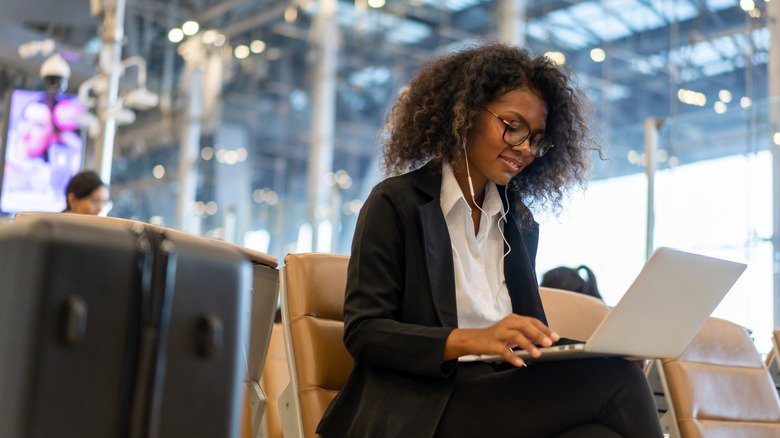
A low-cost flight with baggage fees and long layovers can often cost more than a slightly higher-priced direct flight. Frequent travelers prioritize value and convenience to avoid hidden expenses.
By Abraham Benjamin · 17 May 2026
Frequent travelers approach saving money very differently from occasional vacationers. Instead of chasing the cheapest deals, they focus on reducing total trip costs through better timing, flexibility, and smarter decisions. These habits allow them to travel more often without increasing their overall spending.
They Focus on Total Cost, Not Just PriceOne of the biggest differences is how experienced travelers evaluate costs. Instead of choosing the cheapest flight or hotel, they calculate the total expense of the entire trip, including fees, transportation, and time efficiency.
A low-cost flight with baggage fees and long layovers can often cost more than a slightly higher-priced direct flight. Frequent travelers prioritize value and convenience to avoid hidden expenses.
They Use Timing StrategicallyFrequent travelers don’t rely on guesswork when booking. They understand pricing patterns and book within optimal windows—typically 3–8 weeks before domestic trips.
They also prefer midweek travel, early departures, and off-peak seasons, which consistently offer lower prices and fewer crowds.
Flexibility is one of the most powerful tools for saving money. Experienced travelers often adjust their travel dates, destinations, or even airports to take advantage of better pricing.
For example, flying into a nearby city and taking a train can significantly reduce costs compared to flying directly into a high-demand destination.
Ar202614.webp
Frequent travelers are aware of additional expenses that can quickly inflate a budget. These include resort fees, airport transfers, baggage charges, and dining in tourist-heavy areas.
By planning ahead and identifying these costs early, they prevent unexpected spending during the trip.
They Don’t OverscheduleVacationers often try to pack their itinerary with activities, leading to higher costs and fatigue. Frequent travelers focus on fewer, higher-value experiences.
They balance paid attractions with free options such as parks, museums, and local events, which often provide equally memorable experiences.
They Manage Food Costs StrategicallyDining is one of the most flexible parts of a travel budget. Frequent travelers save money by mixing grocery purchases with selective dining experiences.
Eating lunch instead of dinner at restaurants, avoiding tourist areas, and choosing local eateries are common strategies that reduce costs without sacrificing quality.
Ar202615.webp
They Use Rewards WiselyTravel rewards programs can be useful, but frequent travelers use them carefully. They stick to a few airlines or hotel chains and redeem points for high-value bookings.
Importantly, they avoid overspending just to earn rewards, treating them as a bonus rather than a primary strategy.
They Compare Bundled and DIY OptionsExperienced travelers evaluate both bundled travel packages and individual bookings. Bundles can simplify planning and reduce costs for short trips, while DIY planning offers more flexibility for complex itineraries.
The key is comparing both approaches instead of assuming one is always cheaper.
They Use Technology CarefullyFrequent travelers rely on tools like price alerts and budgeting apps, but they avoid impulse decisions driven by limited-time offers or notifications.
Technology supports their planning, but it doesn’t replace thoughtful decision-making.
Real-World ExampleTwo travelers plan the same trip. One chooses the cheapest options for everything and ends up paying additional fees along the way. The other plans strategically, selects better-timed flights, and manages food and transportation costs.
The result is often a lower total cost for the experienced traveler, even if the upfront prices were slightly higher.
https://www.youtube.com/watch?v=E47FGfv14Mc&pp=ygUxMS4gSG93IHRvIFRyYXZlbCBDaGVhcCAoQmVnaW5uZXIgdG8gUHJvIFN0cmF0ZWd5KQ%3D%3D
ConclusionFrequent travelers save money by thinking beyond individual deals. They use timing, flexibility, and planning to reduce overall costs while maintaining a better travel experience.
By adopting these habits, even occasional travelers can significantly improve how they manage travel expenses.
Subscribe to our newsletter to get our newest articles instantly!

Senior Contributor
Abraham Benjamin is passionate about impactful storytelling. With a unique voice and deep insights, they turn everyday stories into compelling reads that resonate and inform.
Read Full Bio
Traveling abroad opens up a world of exciting experiences, from discovering new cultures to exploring breathtaking landscapes. However, safety is an essential part of ensuring your journey is enjoyable and worry-free. With the right precautions, you can safeguard yourself against potential risks and make the most of your trip.1167a.jpg***Research Your Destination ThoroughlyBefore you travel, spend time learning about your destination. This includes understanding local customs, laws, and cultural norms to ensure you don’t unintentionally offend anyone or find yourself in an awkward situation. Familiarize yourself with the area’s current safety situation, including political stability, common scams, and areas best avoided.Use reliable sources such as government travel advisories, reputable travel blogs, and official tourism websites. Knowledge about your destination will empower you to navigate confidently, minimizing surprises along the way.***Secure Your Documents and ValuablesMake copies of important documents like your passport, visa, insurance information, and travel itinerary, and store them separately from the originals. Additionally, consider scanning these documents and saving them securely online for easy access.Use a money belt or a neck wallet to keep cash and valuable items safe. When heading out, carry only the essentials and leave the rest locked in a hotel safe or secure location. Avoid displaying expensive items, as this can make you a target for theft.***Stay Connected: Communication and Emergency ContactsMaintaining regular contact with friends or family members can be a vital safety net. Inform them of your itinerary and check in periodically. Have local emergency contact numbers saved on your phone, including police, medical services, and your country’s embassy or consulate.Consider investing in an international phone plan or a local SIM card to ensure you’re reachable and can access maps and translation apps as needed. In case of an emergency, having communication readily available can make a significant difference.***Blend In to Avoid Drawing Unwanted AttentionIn some countries, tourists can stand out as easy targets for scams or theft. To reduce this risk, try to blend in with locals by dressing modestly and appropriately for the culture. Avoid wearing clothing or accessories that may signal you are a foreigner or draw attention to your wealth.Respect the local etiquette, and observe how people behave in public places. Blending in can enhance your travel experience by helping you gain acceptance from locals while also increasing your personal safety.1167b.jpg***Be Cautious with Food and WaterConsuming food or water from unfamiliar sources can lead to illness, particularly in regions where sanitation practices may differ. Stick to bottled water or water that has been boiled, especially if you’re unsure about the water quality. Similarly, be cautious with ice cubes as they may be made from tap water.When trying local food, opt for well-cooked dishes and popular street food stalls with high turnover, which often indicates fresher food. If you have dietary restrictions or allergies, learning some phrases in the local language or using a translation app can help you communicate your needs effectively.***Stay Aware of Your SurroundingsSituational awareness is crucial while traveling abroad. Pay attention to people around you, especially in crowded areas like markets, tourist sites, or public transportation. Pickpocketing is a common issue in crowded spots, so keep your belongings close and secure.Trust your instincts and be cautious if someone seems overly friendly or tries to distract you. Scammers often use these tactics to target tourists. Staying alert can help you avoid potential problems and enjoy a safer experience.***Protect Yourself with Travel InsuranceTravel insurance is an essential investment that provides coverage for unforeseen events such as medical emergencies, trip cancellations, or lost belongings. Before purchasing, review the policy to understand what it covers and ensure it’s suited to your travel needs.Having travel insurance can offer peace of mind and protect you from financial losses if an unexpected situation arises. Be sure to keep a copy of your insurance policy and contact information on hand.***Trust Your Instincts and Stay VigilantIntuition is one of the best tools you have while traveling. If a situation or person feels off, trust your instincts and remove yourself from the situation. Don’t be afraid to say no or walk away if someone pressures you into doing something that makes you uncomfortable.Being vigilant and cautious doesn’t mean you can’t have fun. It’s about balancing awareness with enjoyment to ensure a rewarding and safe travel experience.***Conclusion: Enjoy Your Journey with Peace of MindTraveling abroad can be one of the most enriching experiences in life. By prioritizing safety and staying prepared, you allow yourself to fully embrace the adventure while minimizing risks. With a little caution and preparation, your journey will be smoother, and you’ll come back with memories to last a lifetime.
By Robert Anthony Brown · 05 May 2026
Winter sports enthusiasts know that the coldest months of the year offer some of the most exhilarating and unforgettable experiences. From skiing and snowboarding to ice skating and snowshoeing, there are countless destinations around the world that cater to winter sports lovers. Here are some of the top places to visit if you're looking to embrace the chill and hit the slopes.1328a.jpg***Zermatt, Switzerland: A Skiing ParadiseZermatt is known for its stunning alpine views and world-class skiing. Nestled at the foot of the iconic Matterhorn, this Swiss mountain resort offers a variety of slopes for skiers and snowboarders of all levels. Zermatt's ski resort is one of the highest in Europe, ensuring excellent snow conditions throughout the winter season.The town itself is charming, with car-free streets and a cozy atmosphere, making it a perfect destination for winter sports and relaxation. Besides skiing, visitors can enjoy ice climbing, snowshoeing, and even take a scenic helicopter tour to see the snowy peaks from above.***Aspen, Colorado: The Ultimate Winter PlaygroundAspen is a world-renowned ski destination in the United States, known for its luxurious atmosphere and exceptional slopes. With four major mountains offering varied terrain, Aspen is a favorite among skiers and snowboarders. The town has a vibrant après-ski scene, with high-end shops, restaurants, and spas to unwind after a day on the slopes.In addition to skiing and snowboarding, Aspen offers snowmobiling, ice skating, and even dog sledding for those seeking adventure beyond the slopes. The picturesque winter setting and upscale amenities make Aspen a top choice for winter sports enthusiasts.1328b.jpg***Whistler, Canada: The North American Skiing MeccaWhistler is one of North America’s largest and most popular ski resorts, offering a massive skiable area across two mountains: Whistler and Blackcomb. With over 8,000 acres of terrain, there’s something for every type of winter sports enthusiast here, from beginners to seasoned pros.Whistler also boasts an excellent après-ski culture, with numerous bars, restaurants, and spas to help you relax after a long day of skiing or snowboarding. Beyond the slopes, visitors can enjoy snowshoeing, ice climbing, and zip-lining through the snow-covered forests.***Banff, Canada: A Scenic Winter WonderlandBanff, located in the heart of the Canadian Rockies, is a picturesque town that offers both skiing and stunning winter landscapes. The Banff National Park is home to several excellent ski resorts, including Lake Louise, Sunshine Village, and Mount Norquay. These resorts offer breathtaking views, exceptional snow conditions, and an array of terrain for skiers and snowboarders of all skill levels.Banff also provides opportunities for other winter activities, such as ice skating on frozen lakes, snowshoeing through pristine forests, and dog sledding. With its stunning mountain scenery and charming town, Banff is an unforgettable winter destination.***Niseko, Japan: A Hidden Gem for Powder SnowFor those seeking some of the best powder snow in the world, Niseko in Japan is the place to go. Located on the northern island of Hokkaido, Niseko is known for its abundant, light, and dry powder snow, making it a dream destination for skiers and snowboarders alike.The resort is renowned for its diverse terrain and excellent snow conditions, as well as its vibrant après-ski scene. Beyond the slopes, Niseko offers unique experiences like onsen (hot spring) baths, snowshoeing, and snowmobiling. With its picturesque landscapes and friendly atmosphere, Niseko is a must-visit for any winter sports enthusiast.***Chamonix, France: The Birthplace of AlpinismChamonix is a legendary winter sports destination located in the French Alps. Known as the birthplace of alpinism, it’s a mecca for mountaineers and skiers alike. The resort offers challenging slopes for advanced skiers and snowboarders, as well as plenty of off-piste terrain for those looking for an adrenaline rush.In addition to skiing, visitors can enjoy ice climbing, snowshoeing, and paragliding. The dramatic mountain views and rich history of Chamonix make it a top choice for winter sports enthusiasts looking for both challenge and adventure.***ConclusionWhether you're a seasoned skier or new to winter sports, these top destinations offer some of the best slopes, scenery, and experiences for winter sports enthusiasts. From the luxurious resorts of Aspen to the powdery snow of Niseko, there’s no shortage of thrilling winter destinations to explore. So, pack your gear, embrace the cold, and get ready for the winter adventure of a lifetime.
By Christopher David Wilson · 06 May 2026
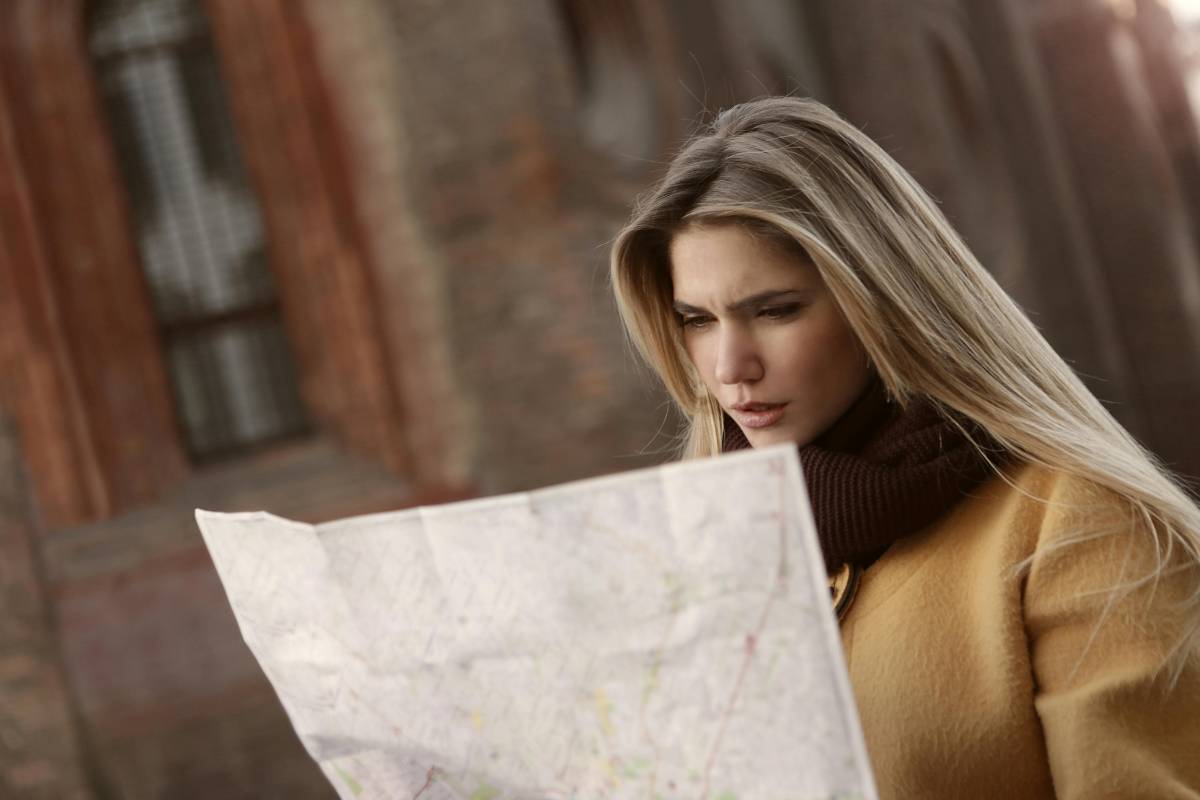
Solo travel offers a unique opportunity for self-discovery, adventure, and the freedom to explore the world at your own pace. While traveling alone can be daunting, it’s also empowering and rewarding. Here’s the ultimate guide to help you plan a safe, memorable, and enjoyable solo trip.1152a.jpg***Plan and Research Your DestinationBefore embarking on a solo journey, research your destination thoroughly. Look up safe areas to stay, local customs, and transportation options. Understanding cultural norms and familiarizing yourself with common phrases in the local language can make a huge difference in your travel experience.***Choose Solo-Friendly AccommodationsSelect accommodations known for being solo-traveler-friendly, like hostels, boutique hotels, or Airbnb stays. These often have communal areas where you can meet other travelers, creating a balance of social interaction and solo time.***Pack Light and SmartTraveling solo means you’ll be handling all your luggage alone, so pack light. Opt for versatile clothing, comfortable shoes, and essential toiletries. A well-organized, lightweight bag can make moving between destinations much easier and more enjoyable.1152b.jpg***Stay Safe and AwareSafety should be a top priority for any solo traveler. Always keep your valuables secure, avoid displaying expensive items, and be cautious about sharing personal details with strangers. Trust your instincts, and don’t be afraid to say no if you feel uncomfortable.***Embrace Solo ActivitiesSolo travel allows you to engage in activities you truly enjoy without compromise. Take a walking tour, visit a museum, or dine at a local restaurant without worrying about anyone else’s schedule or preferences. This freedom is one of the most rewarding aspects of solo travel.***Make ConnectionsAlthough solo travel focuses on independence, connecting with others can enhance your experience. Join group tours, attend local events, or chat with fellow travelers and locals. These interactions can lead to new friendships and provide deeper insights into the culture.***ConclusionSolo travel is an empowering journey that offers personal growth, freedom, and countless memories. By planning ahead, staying safe, and embracing the experience, you can create unforgettable solo adventures. Whether you’re seeking adventure, relaxation, or self-discovery, solo travel opens doors to a world of possibilities.
By Robert Anthony Brown · 20 Apr 2026

Packing light is a skill that makes travel easier, saves on baggage fees, and allows you to focus on the adventure rather than lugging around heavy bags. Whether you’re heading to a tropical beach or a snowy mountain, packing efficiently can transform your travel experience. Learning to pack light is not just about reducing weight; it’s about being strategic in what you choose to bring and how you organize it. By following a few key strategies, you can streamline your packing process and enjoy more flexibility and comfort during your travels. Here are some essential tips to pack efficiently for any destination, whether you’re heading out for a weekend getaway, a business trip, or a long vacation.1155a.jpg***Choose Versatile ClothingThe foundation of packing light is selecting clothing that serves multiple purposes. You should aim for items that can be mixed and matched, so you can create different outfits with fewer clothes. Neutral colors like black, white, gray, navy, and beige are ideal because they pair well with almost anything. This means you can combine fewer items to create multiple outfits, whether it’s for a day of sightseeing or an evening dinner.For example, instead of packing several different colored shirts, choose a few versatile ones that can be worn in a variety of ways. A simple black t-shirt can be paired with jeans for casual outings or dressed up with a scarf or jewelry for a more formal look. Similarly, a versatile dress can serve as both a beach cover-up during the day and a fancy outfit for dinner at night. A lightweight jacket or cardigan is another versatile piece that can work in a variety of weather conditions and environments.When it comes to pants or skirts, choose items that can be worn in both casual and semi-formal settings. For example, a pair of dark-colored jeans or chinos can be dressed up with a nice shirt or dressed down with a t-shirt. Instead of packing several pairs of shoes, opt for a versatile pair of sandals, sneakers, or flats that can match different outfits and serve different purposes, whether it’s for hiking, casual sightseeing, or an evening out.Layering is another key element of packing light. Instead of packing multiple jackets or sweaters, choose thin, layerable pieces that can keep you warm in chilly weather. For example, a light fleece or a soft cardigan can be layered over shirts and dresses when temperatures dip. Layers also allow you to adapt to different weather conditions, which is especially important for travelers going to destinations with unpredictable climates.***Limit Shoes and AccessoriesShoes can take up a significant amount of space in your luggage, so it’s important to limit the number of pairs you pack. When selecting shoes, consider the activities you’ll be doing and the types of terrain you’ll encounter during your trip. For example, a comfortable pair of walking shoes or sneakers is essential for city exploration or outdoor excursions, while a pair of sandals or flip-flops can serve as a more casual footwear option. If you need a more formal option for dinner or an event, choose a versatile pair of flats, heels, or dress shoes that are comfortable and lightweight.Avoid packing shoes that you won’t actually wear, as they take up precious space in your luggage. Stick to two or three pairs that can serve all your needs, and try to make sure they’re comfortable enough to wear all day. It's also important to consider the weight of the shoes; opt for lightweight options that won’t burden your bag. This will leave more room for other essentials.Accessories can also add unnecessary bulk to your luggage if you overpack them. Instead of bringing a wide variety of jewelry or accessories, choose a few key items that can complement different outfits. A versatile scarf, for example, can be used as an accessory for both day and night, and can also double as a blanket or shawl in colder weather. Opt for lightweight, simple pieces that add a touch of style without taking up too much space.***Roll Your Clothes to Save SpaceRolling clothes is one of the most effective packing techniques for saving space and keeping your suitcase organized. By rolling your clothes, you create more room in your bag, and you can avoid wrinkles that often come with folding. This technique works especially well for items like t-shirts, pants, dresses, and lightweight sweaters.In addition to saving space, rolling clothes makes it easier to access what you need without having to unpack everything. You can roll clothing in layers or use packing cubes to group similar items together. Packing cubes are small, zippered bags that help you organize your clothes and keep them in place during travel. They also help compress clothes, making them take up less space in your luggage.Packing cubes come in different sizes, allowing you to sort clothing based on type or function. For example, one cube can hold your tops, while another can hold your pants and dresses. This organization helps you avoid the need to search through a jumbled bag for a specific item, and it makes your packing process more efficient overall.For delicate items, such as dresses or jackets, consider folding them neatly and placing them at the top of your bag or in a garment bag. This will help reduce wrinkles and ensure that your nicer pieces stay in good condition throughout your trip.***Pack Travel-Sized Toiletries and EssentialsOne of the most common mistakes people make when packing is overloading their bags with full-size toiletries. Instead of packing bulky bottles of shampoo, conditioner, body wash, and lotion, opt for travel-sized versions that comply with airline regulations. Most airports allow toiletries in containers of 3.4 ounces (100 milliliters) or less, which can be easily found in most travel stores.If you’re trying to save even more space, consider using solid toiletries instead of liquids. Solid shampoo bars, conditioner bars, and soap bars are compact, lightweight, and leak-proof. Not only will they save you space in your bag, but they’re also eco-friendly and convenient for air travel. Solid items typically last longer than their liquid counterparts, which makes them a great option for long trips.Another space-saving trick is to decant your favorite toiletries into smaller bottles. Refill travel-sized containers with your regular shampoo, conditioner, and lotion. This way, you’ll have the products you know and love while keeping your packing light and efficient.Don’t forget about other essential items like sunscreen, toothpaste, deodorant, and face wash. Travel-sized versions of these products are widely available and can be easily packed into a toiletry bag that fits in your carry-on luggage. You can also consider packing multi-use items, such as a 2-in-1 shampoo and conditioner, to reduce the number of products you need.1155b.jpg***Use a Packing ChecklistA packing checklist is an essential tool for packing light, as it helps you stay organized and avoid overpacking. Creating a list of the items you need before you start packing will allow you to prioritize the essentials and make sure you don’t forget anything important. Begin by making a list based on your destination, the weather, and the activities you’ll be doing.Start with the basics: clothes, toiletries, and essential electronics like a phone, charger, and camera. Add other items like a book, headphones, or sunglasses to your list based on your preferences and needs. Once your checklist is complete, review it to make sure you haven’t packed anything you won’t actually use. Try to eliminate any redundant items or things that you can purchase at your destination if needed.By sticking to your packing checklist, you’ll avoid the temptation to add unnecessary items at the last minute, which can result in overpacking. The list also helps you stay efficient by allowing you to gather all your items in one go, making the packing process faster and less stressful.***Wear Bulky Items on the PlaneOne of the easiest ways to save space in your luggage is to wear your bulkiest clothing items on the plane. This is particularly useful if you’re traveling to a colder destination, as coats, jackets, and boots can take up a lot of space in your suitcase. Wearing them while traveling will keep your bag light and make sure you stay warm during the flight.If you’re traveling with a heavy winter coat, boots, or sweater, consider wearing these items during your flight. Not only will this save space in your bag, but it also ensures that you’ll have the right gear when you arrive at your destination. If your coat is too bulky to wear on the plane, consider carrying it as your personal item or draping it over your arm to free up space in your luggage.By wearing your bulkiest items, you can avoid the hassle of trying to fit them into your bag. You’ll also feel more comfortable on your journey, as you'll have your warm layers ready to go as soon as you land.***ConclusionPacking light allows for a hassle-free travel experience, giving you the freedom to explore without the burden of heavy luggage. By choosing versatile clothing, limiting shoes and accessories, rolling your clothes, using travel-sized toiletries, and following a packing checklist, you can efficiently pack for any trip, no matter the destination. The key to packing light is being mindful of your choices and focusing on what you truly need. When you pack light, you’ll have more space in your luggage, more energy during your travels, and more flexibility to enjoy your trip without the weight of excess baggage.
By John Michael Smith · 23 Apr 2026