
 Abraham Benjamin
Frequent travelers approach saving money very differently from occasional vacationers. Instead of chasing the cheapest deals, they focus on reducing total trip costs through better timing, flexibility, and smarter decisions. These habits allow them to travel more often without increasing their overall spending.***They Focus on Total Cost, Not Just PriceOne of the biggest differences is how experienced travelers evaluate costs. Instead of choosing the cheapest flight or hotel, they calculate the total expense of the entire trip, including fees, transportation, and time efficiency.A low-cost flight with baggage fees and long layovers can often cost more than a slightly higher-priced direct flight. Frequent travelers prioritize value and convenience to avoid hidden expenses.***They Use Timing StrategicallyFrequent travelers don’t rely on guesswork when booking. They understand pricing patterns and book within optimal windows—typically 3–8 weeks before domestic trips.They also prefer midweek travel, early departures, and off-peak seasons, which consistently offer lower prices and fewer crowds.***They Stay FlexibleFlexibility is one of the most powerful tools for saving money. Experienced travelers often adjust their travel dates, destinations, or even airports to take advantage of better pricing.For example, flying into a nearby city and taking a train can significantly reduce costs compared to flying directly into a high-demand destination.Ar202614.webp***They Avoid Hidden CostsFrequent travelers are aware of additional expenses that can quickly inflate a budget. These include resort fees, airport transfers, baggage charges, and dining in tourist-heavy areas.By planning ahead and identifying these costs early, they prevent unexpected spending during the trip.***They Don’t OverscheduleVacationers often try to pack their itinerary with activities, leading to higher costs and fatigue. Frequent travelers focus on fewer, higher-value experiences.They balance paid attractions with free options such as parks, museums, and local events, which often provide equally memorable experiences.***They Manage Food Costs StrategicallyDining is one of the most flexible parts of a travel budget. Frequent travelers save money by mixing grocery purchases with selective dining experiences.Eating lunch instead of dinner at restaurants, avoiding tourist areas, and choosing local eateries are common strategies that reduce costs without sacrificing quality.Ar202615.webp***They Use Rewards WiselyTravel rewards programs can be useful, but frequent travelers use them carefully. They stick to a few airlines or hotel chains and redeem points for high-value bookings.Importantly, they avoid overspending just to earn rewards, treating them as a bonus rather than a primary strategy.***They Compare Bundled and DIY OptionsExperienced travelers evaluate both bundled travel packages and individual bookings. Bundles can simplify planning and reduce costs for short trips, while DIY planning offers more flexibility for complex itineraries.The key is comparing both approaches instead of assuming one is always cheaper.***They Use Technology CarefullyFrequent travelers rely on tools like price alerts and budgeting apps, but they avoid impulse decisions driven by limited-time offers or notifications.Technology supports their planning, but it doesn’t replace thoughtful decision-making.***Real-World ExampleTwo travelers plan the same trip. One chooses the cheapest options for everything and ends up paying additional fees along the way. The other plans strategically, selects better-timed flights, and manages food and transportation costs.The result is often a lower total cost for the experienced traveler, even if the upfront prices were slightly higher.https://www.youtube.com/watch?v=E47FGfv14Mc&pp=ygUxMS4gSG93IHRvIFRyYXZlbCBDaGVhcCAoQmVnaW5uZXIgdG8gUHJvIFN0cmF0ZWd5KQ%3D%3D***ConclusionFrequent travelers save money by thinking beyond individual deals. They use timing, flexibility, and planning to reduce overall costs while maintaining a better travel experience.By adopting these habits, even occasional travelers can significantly improve how they manage travel expenses.
By Abraham Benjamin · 17 May 2026

Affordable travel today is less about finding the cheapest flight and more about managing your total trip cost strategically. With rising prices and dynamic booking systems, travelers who focus on timing, flexibility, and daily spending habits are able to travel more efficiently without sacrificing comfort or experience.***Why Cheap Flights Aren’t EnoughCheap airfare can be helpful, but it rarely determines the overall affordability of a trip. Accommodation, food, transportation, and activities often make up a larger portion of total expenses. A low-cost flight with inconvenient timing can lead to additional costs such as extra hotel nights or expensive transfers.Focusing only on flights can create a false sense of savings. The smarter approach is to evaluate the total cost of the trip, including all major and minor expenses.***Understanding Total Travel CostsModern travel budgeting requires a broader view. Travelers should account for accommodation, daily meals, transportation, experiences, and incidental expenses. Data from U.S. travel spending trends shows that lodging and food now represent a larger share of total travel costs than airfare alone.Breaking down your budget into categories helps identify where savings are actually possible.***Timing Your Travel StrategicallyTiming still plays a major role in affordability, but the strategy has evolved. Instead of simply booking early, travelers benefit more from choosing the right travel window.Traveling during shoulder seasons, avoiding peak holidays, and flying midweek can significantly reduce costs. Demand-based pricing means flexibility often leads to better deals than rigid planning.Ar202611.webp***Smarter Accommodation ChoicesAccommodation is often the biggest expense after flights, making it one of the most important areas to optimize. Comparing total costs—including taxes and fees—is essential when choosing between hotels and rentals.Staying slightly outside major tourist areas, booking longer stays, and using direct hotel booking can lead to meaningful savings while maintaining comfort and convenience.***Managing Transportation CostsLocal transportation is a commonly overlooked expense that can quickly add up. Rideshare services and taxis may seem convenient but often cost more over time.Using public transit, walking when possible, and planning transportation in advance can significantly reduce daily expenses.***Controlling Food SpendingFood is one of the easiest areas to manage without sacrificing experience. Instead of dining out for every meal, travelers can mix grocery purchases with occasional restaurant visits.Choosing lunch as the main dining experience, exploring local markets, and avoiding tourist-heavy restaurants can help reduce costs while enhancing authenticity.Ar202612.webp***Spending on Experiences WiselyActivities and attractions can quickly increase total trip costs. Rather than trying to do everything, focusing on a few meaningful experiences often provides better value.Free attractions such as parks, museums, and local events can offer enriching experiences without adding financial pressure.***Using Technology the Right WayTravel apps and booking platforms are useful tools for comparing prices and organizing trips. However, over-reliance on deal alerts and limited-time offers can lead to impulse decisions.Smart travelers use technology to gather information and track trends, not to make rushed choices.***Bundling vs DIY PlanningBundled travel packages can simplify planning and sometimes reduce overall costs by combining flights and accommodations. These options are particularly effective during off-peak travel periods.However, for flexible or multi-destination trips, booking each component separately often provides greater control and customization.***Real-World ExampleA traveler who selects the cheapest flight and books everything separately may encounter multiple hidden costs. Another traveler who focuses on total trip value—choosing efficient flights, planning meals, and limiting paid activities—often ends up spending less overall.The difference lies in strategy rather than price alone.https://www.youtube.com/watch?v=OBm90ArCRdo&pp=ygUoMS4gSG93IHRvIFRyYXZlbCBvbiBhIEJ1ZGdldCBpbiB0aGUgVS5TLg%3D%3D***ConclusionAffordable travel in 2026 is about making informed decisions across every part of your trip. By focusing on total cost, staying flexible, and prioritizing value over price, travelers can reduce expenses without compromising their experience.With thoughtful planning and a broader perspective, it’s entirely possible to travel more frequently and more efficiently in today’s evolving travel landscape.
By Abraham Benjamin · 16 May 2026

Travelers across the United States are increasingly focused on value rather than just price. As travel costs fluctuate, understanding where your budget stretches further can make the difference between a short, expensive trip and a longer, more rewarding experience. Today’s smart travelers prioritize strategy, timing, and destination choice to get more from every dollar spent.***The New Definition of “Affordable Travel”Affordable travel is no longer just about finding the cheapest flights or lowest hotel rates. Instead, it’s about maximizing overall value. This includes how far your money goes on daily expenses such as meals, transportation, and experiences. A slightly higher airfare may still result in a more cost-effective trip if the destination offers lower living costs.For example, a week in a major U.S. city like New York can cost significantly more than a longer stay in cities such as Lisbon or Mexico City, where accommodation, food, and transportation are comparatively affordable.***Why Timing Plays a Critical RoleTiming is one of the most powerful tools for stretching your travel budget. Prices for flights and accommodations can vary widely depending on the season, demand, and booking window.Ar202608.webpTraveling during shoulder seasons—typically spring and fall—often results in lower prices and fewer crowds. This not only reduces costs but also improves the overall experience, making destinations more enjoyable and accessible.***Domestic vs. International ValueMany Americans assume that staying within the U.S. is the most budget-friendly option. However, rising accommodation and service costs in major cities have changed this dynamic.In many cases, international destinations now offer better overall value. Countries like Mexico and Portugal provide high-quality experiences at a lower daily cost, allowing travelers to extend their trips without increasing their budgets.***Exchange Rates and Purchasing PowerExchange rates play an important role in determining how far your money goes abroad. When the U.S. dollar is strong, travelers benefit from increased purchasing power, making international travel more attractive.This advantage can significantly reduce the effective cost of dining, accommodations, and activities, especially in regions where the cost of living is already lower than in the United States.***Smart Booking Strategies That WorkThere is no single shortcut to cheap travel, but certain strategies consistently deliver results. Flexible travel dates, early booking, and price monitoring tools can help travelers secure better deals.Using rewards programs and travel credit cards is another effective way to reduce costs. Many experienced travelers use points for flights while paying for accommodations, balancing their overall expenses more efficiently.***Choosing the Right AccommodationAccommodation is often the largest travel expense after airfare. Choosing the right type of lodging can significantly impact your overall budget.Ar202609.webpOptions such as boutique hotels, short-term rentals, and accommodations outside city centers often provide better value. These choices can lower costs while still offering comfort and convenience.***Transportation Costs Beyond FlightsLocal transportation can add up quickly if not planned carefully. Cities with strong public transportation systems allow travelers to save money while moving efficiently between attractions.Walking-friendly destinations and prepaid transit passes can further reduce daily expenses, making it easier to stay within budget.***Food and Experiences: Spending with PurposeFood and experiences are central to any trip, but they don’t have to be expensive. Eating at local markets, trying street food, and choosing smaller neighborhood restaurants can provide authentic experiences at lower costs.Rather than trying to do everything, focusing on a few meaningful activities often delivers greater satisfaction and better value.***Why Budget Efficiency Matters TodayIn an environment of rising costs and economic uncertainty, making travel budgets go further is more important than ever. Travelers are increasingly prioritizing flexibility, shorter trips, and value-driven planning to maintain their ability to explore new destinations.Understanding how to optimize spending allows for more frequent travel without financial strain, making travel a sustainable part of modern lifestyles.https://www.youtube.com/watch?v=jL0qVGyuRIE&pp=ygU5SG93IHRvIFRyYXZlbCBDaGVhcCBpbiAyMDI2IChXaXRob3V0IFNhY3JpZmljaW5nIENvbWZvcnQp0gcJCdkKAYcqIYzv***ConclusionWhere your travel budget goes further depends on thoughtful planning, informed decisions, and a clear understanding of value. By focusing on timing, destination choice, and smart spending strategies, travelers can enjoy richer experiences without exceeding their budgets. In today’s travel landscape, value—not just price—is what truly defines a successful trip.
By Abraham Benjamin · 15 May 2026
Budget travel in 2026 is less about chasing the lowest price and more about making smarter decisions across your entire trip. With dynamic pricing, hidden fees, and bundled services becoming standard, travelers who focus on total cost—not just upfront deals—are the ones who actually save money.***The Shift From Cheap to Smart TravelFor years, budget travel meant finding the cheapest flight or hotel. Today, that approach can lead to higher overall spending due to added fees, inconvenient schedules, and poor planning. Airlines and booking platforms now use advanced pricing systems that reward flexibility and timing rather than simple bargain hunting.A low-cost flight with baggage fees, seat selection charges, and long layovers can easily cost more than a slightly higher fare that includes everything. The new rule is clear: the cheapest option is rarely the most cost-effective.***Why Travel Costs Feel HigherTravelers across the U.S. are noticing rising costs, driven by increased demand, higher fuel prices, and dynamic pricing algorithms. Prices now fluctuate based on demand patterns, browsing behavior, and booking timing.While baseline prices may be higher, opportunities to save still exist for those who understand how pricing works and adapt their strategies accordingly.Ar202605.webp***Booking Flights the Smart WayAirfare remains one of the biggest expenses, but smart strategies still lead to savings. Flexibility is key—flying midweek, choosing early or late departures, and setting up fare alerts can significantly reduce costs.Booking too early is no longer always beneficial. For domestic trips, the best deals are often found within a 3–8 week window before departure. Price tracking tools help travelers avoid guesswork and book at the right time.***Rethinking Accommodation ChoicesAccommodation pricing has become more complex with additional service and cleaning fees. Comparing total costs rather than nightly rates is essential when choosing between hotels and rentals.Hotels increasingly offer competitive pricing, flexible cancellation policies, and loyalty perks. Staying slightly outside city centers can also reduce costs without sacrificing convenience.***Transportation: A Hidden ExpenseGround transportation is often overlooked but can significantly impact your budget. Rideshare services may seem convenient but can become expensive over multiple days.Using public transportation, booking rental cars early, or combining different transport options based on your itinerary can help manage costs more effectively.***Saving on Food Without Missing OutFood is one of the easiest areas to control spending. Travelers can save by making lunch their main meal, buying breakfast items from grocery stores, and limiting high-cost dining to select experiences.Local markets, casual eateries, and street food provide authentic and affordable alternatives to tourist-focused restaurants.***Experiences: Spend with IntentionActivities and attractions can quickly add up. Instead of trying to do everything, focus on a few meaningful experiences and balance them with free options like parks, museums, and local events.Ar202606.webpMany cities offer free admission days or low-cost cultural activities that provide great value without stretching your budget.***Using Technology WiselyTravel apps and booking platforms are powerful tools, but they can also lead to impulse spending. Limited-time deals and notifications can create urgency that doesn’t always result in savings.Using technology for tracking prices, organizing plans, and comparing options is effective—relying on it for decisions is not.***Bundled Travel vs DIY PlanningBundled travel packages are becoming more competitive and can simplify budgeting by combining flights and accommodations into one price.However, for flexible or multi-city trips, booking each component separately often provides better control and customization.***Real-World ExampleA traveler choosing the cheapest individual options may end up paying extra fees along the way, while another traveler who books a bundled package and plans meals strategically often spends less overall.The difference lies in focusing on total trip cost rather than isolated savings.https://www.youtube.com/watch?v=EedytWqK9I4***ConclusionBudget travel in 2026 is about strategy, flexibility, and awareness. Travelers who understand pricing systems, avoid hidden costs, and prioritize value over price consistently achieve better outcomes.By making informed decisions across flights, accommodation, food, and activities, it’s still entirely possible to travel well without overspending.
By Abraham Benjamin · 14 May 2026
Travelers across the United States are rethinking how to explore the world without overspending. By prioritizing flexibility, leveraging technology, and focusing on high-value experiences, they’re reducing costs while maintaining quality. This guide explains how to stretch your travel budget without sacrificing comfort or meaningful experiences.***The Shift From Cheap Travel to Smart TravelBudget travel no longer means sacrificing comfort or missing out on experiences. Today’s travelers are focused on value—spending wisely rather than spending less. Instead of cutting corners, they are reallocating budgets toward what matters most, such as local experiences, food, and culture.Many travelers now skip expensive hotels and choose well-rated alternatives, using the savings for activities that create lasting memories. This shift reflects a broader trend toward experience-first travel.***Flexible Planning Is the New AdvantageFlexibility is one of the most effective ways to reduce travel costs. Travelers who adjust their dates, destinations, or even airports often find significantly better deals.Flying midweek, traveling during shoulder seasons, and considering nearby airports can result in substantial savings without impacting the overall experience.***Rethinking Where You StayAccommodation is often the largest travel expense, but smart travelers are exploring alternatives beyond traditional hotels.Options like boutique hotels, short-term rentals, and extended-stay properties offer more space and flexibility. Staying slightly outside city centers can also reduce costs while still providing convenient access to major attractions.Ar202602.webp***The Rise of Experience-First BudgetingInstead of spending heavily on luxury accommodations, many travelers are prioritizing experiences. They ask a simple question: what will I remember most?This often leads to spending on food tours, cultural events, and local activities rather than upgrades that don’t add long-term value.***Using Technology Without OverthinkingTechnology has made travel planning easier, but savvy travelers use it efficiently. Tools like flight comparison platforms and fare alerts help identify good deals quickly.Rather than chasing the absolute lowest price, experienced travelers set a reasonable target and book when they find a strong option, saving time and reducing stress.***Making the Most of Travel RewardsTravel rewards programs remain valuable when used strategically. Many travelers concentrate spending on one or two credit cards to maximize points.Points are best used for high-value redemptions like flights or hotel stays rather than low-value items such as merchandise or gift cards.***Eating Well Without OverspendingFood is a central part of travel, and saving money doesn’t mean missing out. Smart travelers balance their dining choices.They might enjoy one premium meal per day while keeping other meals simple, visiting local markets, or choosing neighborhood restaurants instead of tourist hotspots.Ar202603.webp***Transportation: Spend Less, See MoreTransportation costs can quickly add up, but there are practical ways to manage them.Using public transit, walking in compact cities, and avoiding unnecessary car rentals can significantly reduce expenses while offering a more authentic travel experience.***Choosing Destinations StrategicallyDestination choice plays a major role in overall travel costs. Many travelers are exploring alternatives to expensive hotspots.Smaller cities, emerging destinations, and domestic travel options often provide similar experiences at a lower cost, making them attractive choices for budget-conscious travelers.***What Travelers Are Asking TodayCommon questions include how to find affordable flights, whether travel rewards are worth it, and how to maintain comfort on a budget.The answer lies in focusing on value, planning ahead, and making intentional decisions rather than simply choosing the cheapest option.***Real-World ExampleA couple with a fixed travel budget might choose a mid-range hotel instead of a luxury one, allowing them to spend more on dining, tours, and activities.This balanced approach results in a richer travel experience without increasing overall costs.https://www.youtube.com/watch?v=2cQf9O92X7Q&pp=ygUhSG93IHRvIEZpbmQgQ2hlYXAgRmxpZ2h0cyBpbiAyMDI2***ConclusionCutting travel costs doesn’t mean cutting experiences. By staying flexible, prioritizing value, and making informed decisions, travelers can enjoy meaningful and memorable trips without overspending.Smart travel is not about spending less—it’s about spending better.
By Abraham Benjamin · 13 May 2026
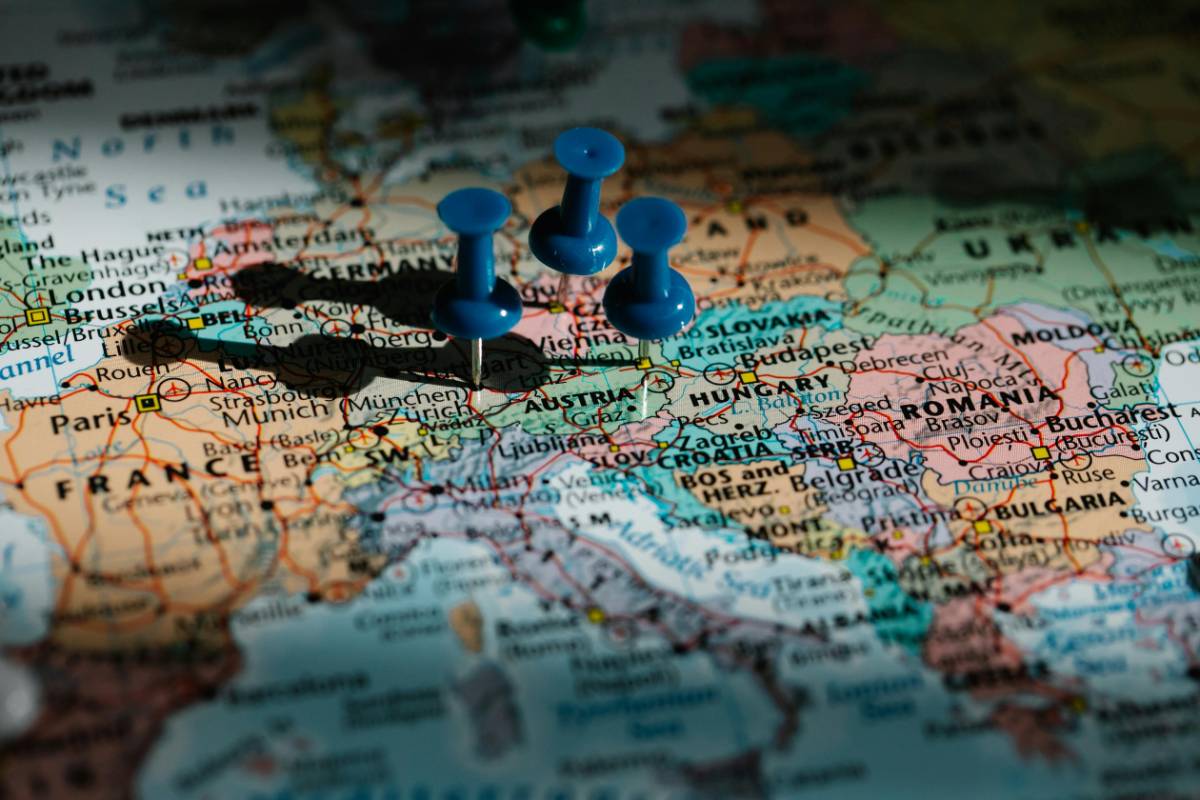
Planning a multi-country vacation is an exciting adventure that allows you to explore diverse cultures, landscapes, and attractions. However, with so many details to organize, it can also be a bit overwhelming. From choosing the right destinations to managing logistics, here are some tips to help you plan a seamless and unforgettable multi-country trip.1174a.jpg***Step 1: Choose Your Destinations WiselyThe first step in planning a multi-country vacation is selecting the destinations you want to visit. Consider regions that are geographically close to each other to minimize travel time and costs between countries. For example, traveling through Western Europe, Southeast Asia, or Central America can be more efficient than hopping between distant continents.It’s also essential to think about the type of experience you want. Are you looking to explore cities, relax on beaches, or immerse yourself in nature? Make sure your destinations offer a variety of activities that suit your interests and needs.***Step 2: Research Travel Restrictions and VisasBefore you start booking flights and accommodations, check the visa requirements and travel restrictions for each country you plan to visit. Many countries have specific visa policies, and some may require you to obtain a visa in advance, while others may offer visa-on-arrival services.Also, stay updated on any COVID-19 regulations, including quarantine requirements or vaccine documentation. Knowing this information in advance will help you avoid unexpected complications during your trip.***Step 3: Plan Your Route and TransportationOnce you’ve narrowed down your destinations and taken care of visa requirements, it’s time to plan your route. Think about how you’ll get from one country to another and the most efficient transportation options available.Flying between major cities is often the quickest and most convenient option. Look for budget airlines or travel passes that allow you to visit multiple cities at a discounted rate. Alternatively, train and bus services may be more scenic and affordable options, especially in regions like Europe and Southeast Asia.***Step 4: Create a Realistic ItineraryWith multiple countries to visit, it’s crucial to create a balanced and realistic itinerary. Don’t over-pack your schedule by trying to see everything at once. Instead, prioritize your must-see attractions and leave room for spontaneity.Be sure to factor in travel time between destinations. Some countries are larger than others, and you may spend several hours on a train or plane just getting from one place to another. Leave at least one full day in each city to explore before moving on to the next destination.***Step 5: Budget for the TripA multi-country vacation can be expensive, so it’s essential to budget for the entire trip. Start by estimating how much you’ll need for flights, accommodation, meals, and activities in each country. Don’t forget to factor in the cost of transportation between countries and any entry fees for museums, parks, or attractions.Consider using budgeting apps or spreadsheets to track your spending throughout the trip. You can also save money by staying in hostels, booking tours in advance, or choosing destinations with a lower cost of living.***Step 6: Pack Light and SmartPacking for a multi-country trip can be tricky, as you’ll need to prepare for a variety of climates and activities. The key is to pack light and versatile items that can be mixed and matched for different occasions.Pack clothing that can be layered, as temperatures can vary from one country to another. Comfortable shoes are a must, especially if you plan to do a lot of walking. Don’t forget travel-sized toiletries, a portable charger, and a daypack for sightseeing.1174b.jpg***Step 7: Stay Connected and Plan for CommunicationStaying connected while traveling through multiple countries can be a challenge. Look into purchasing a global SIM card or an international roaming plan that allows you to use your phone in several countries without incurring hefty fees.Alternatively, consider relying on Wi-Fi for communication. Many cafes, hotels, and public spaces offer free Wi-Fi, so you can use messaging apps or make calls through Wi-Fi networks. It’s also helpful to download offline maps and translation apps to navigate unfamiliar places.***Step 8: Learn the Basics of Local LanguagesWhile English is widely spoken in many countries, it’s always a good idea to learn a few key phrases in the local language. Simple greetings, thank you, and please can go a long way in making connections and showing respect for the local culture.Before you go, consider downloading language apps like Duolingo or Google Translate to help you with translations during your trip. Knowing a little of the local language will also enrich your experience and make your trip more enjoyable.***Step 9: Be Flexible and Embrace the UnexpectedOne of the most important tips for a multi-country vacation is to remain flexible. While it’s great to have an itinerary, things can change unexpectedly, whether it’s due to weather, transportation delays, or changes in local regulations.Embrace the unexpected and be open to spontaneous adventures. Some of the best travel memories come from unplanned moments, like discovering a hidden gem or meeting new people along the way.***Step 10: Stay Safe and Keep Important Documents SecureWhen traveling through multiple countries, it’s essential to prioritize your safety and keep important documents secure. Keep copies of your passport, visa, and other crucial documents in a separate location from the originals.Consider investing in a travel money belt or neck pouch to keep your passport and credit cards safe from pickpockets. Additionally, research the safety tips and guidelines for each country you’re visiting and stay informed about any potential risks.***Step 11: Enjoy the JourneyFinally, remember that travel is about enjoying the experience and embracing the journey. Take time to enjoy the sights, meet locals, and immerse yourself in the cultures you encounter. Don’t rush from one destination to the next, and make sure to savor every moment of your multi-country vacation.By following these tips and planning ahead, you can ensure a smoother and more enjoyable experience as you explore multiple countries. Whether it’s your first multi-country trip or your 10th, thoughtful preparation will help you create lasting memories and make the most of your adventure.
By Abraham Benjamin · 12 May 2026

National parks are the epitome of natural beauty, preserving some of the most breathtaking landscapes, wildlife, and ecosystems in the world. Whether you're a seasoned adventurer or a first-time traveler, exploring national parks offers an immersive experience into the wonders of nature. These protected areas are ideal for hiking, wildlife viewing, camping, and connecting with the environment.1169a.jpg***Yellowstone National Park – A Geological WonderlandYellowstone, the first national park in the world, is an iconic destination for nature lovers. Spanning over 2.2 million acres, this park is home to stunning geothermal features, including the famous Old Faithful geyser, hot springs, and fumaroles. The park's vast landscapes also include dramatic canyons, lush forests, and the Yellowstone River.Wildlife enthusiasts will appreciate the park's abundant fauna, including bison, grizzly bears, wolves, and elk. With over 900 miles of hiking trails, visitors can experience the beauty of the park up close while immersing themselves in the serenity of its untouched wilderness.***Grand Canyon National Park – A Majestic View of TimeThe Grand Canyon is one of the most recognized natural wonders in the world. Carved by the Colorado River over millions of years, the canyon’s breathtaking vistas offer a glimpse into Earth’s ancient history. The sheer magnitude and vibrant colors of the canyon walls leave visitors awestruck as they explore its depths.For those seeking adventure, hiking the challenging Bright Angel or South Kaibab Trails provides an opportunity to explore the canyon’s interior. Visitors can also experience the park from the air with a scenic helicopter tour or raft down the Colorado River for a different perspective.***Banff National Park – A Canadian ParadiseNestled in the Canadian Rockies, Banff National Park is known for its pristine wilderness and stunning alpine landscapes. The turquoise waters of Lake Louise and Moraine Lake are two of the park’s most famous attractions, offering picturesque reflections of the surrounding snow-capped peaks.Banff offers exceptional wildlife watching opportunities, with sightings of elk, bighorn sheep, and black bears. In addition to hiking, visitors can indulge in skiing, kayaking, and mountain biking. Banff is a must-see for those seeking a blend of outdoor adventure and tranquil beauty.1169b.jpg***Kruger National Park – South Africa’s Wildlife HavenKruger National Park is one of the largest and most renowned game reserves in Africa, offering an unparalleled safari experience. With an area larger than many European countries, Kruger is home to the Big Five – lions, elephants, rhinos, buffaloes, and leopards – along with a vast array of other species.Visitors can explore the park’s diverse ecosystems through self-guided drives, guided safaris, or walking tours. Kruger also offers luxurious safari lodges and camps, where travelers can enjoy comfort and elegance while witnessing the raw beauty of Africa’s wildlife in their natural habitat.***Zion National Park – A Hiker’s ParadiseZion National Park, located in southern Utah, is famous for its red sandstone cliffs, narrow canyons, and diverse plant and animal life. Hiking is the park's main attraction, with trails like Angels Landing offering stunning views and a thrilling challenge for experienced hikers. The Narrows is another popular trail, where adventurers can walk through the Virgin River between towering canyon walls.For those seeking a more relaxing experience, Zion also offers scenic drives, picnicking spots, and opportunities for birdwatching. The park’s unique geology and desert landscapes create an awe-inspiring backdrop for nature lovers.***Yosemite National Park – Majestic Granite GiantsYosemite National Park, located in California’s Sierra Nevada, is famous for its giant sequoia trees, granite cliffs, and stunning waterfalls. The iconic El Capitan and Half Dome rock formations attract climbers and photographers from around the world.Yosemite is also a prime destination for hikers, with trails that offer spectacular views of the park’s stunning landscapes. Visitors can also enjoy horseback riding, star-gazing, and river rafting. For a more serene experience, explore the park’s numerous meadows and groves for a peaceful retreat into nature.***Conclusion: Nature’s Greatest Adventures AwaitNational parks are more than just scenic spots; they are treasures that preserve the planet’s most stunning landscapes and diverse ecosystems. Whether it’s the geothermal wonders of Yellowstone, the majestic views of the Grand Canyon, or the wildlife-rich Kruger National Park, each destination offers a unique adventure in nature. By visiting these natural wonders, you not only experience the beauty of the earth but also support the preservation of these incredible ecosystems for future generations to enjoy. So pack your bags, hit the trails, and immerse yourself in the greatness of the outdoors!
By Abraham Benjamin · 07 May 2026

Frequent flyer miles are an excellent way to travel more and spend less, but many travelers don’t fully realize their potential. With the right approach, you can maximize your miles, unlocking free flights, upgrades, and other perks. Here’s a guide to making the most of your frequent flyer miles and ensuring that each journey brings you closer to your next reward.1164a.jpg***Choose a Frequent Flyer Program That Matches Your Travel HabitsStart by selecting a frequent flyer program that aligns with your travel patterns. Consider the airlines you frequently fly with, as well as their partners in global alliances. Major alliances like Star Alliance, SkyTeam, and Oneworld allow you to earn miles across multiple airlines, making it easier to accumulate points even if you aren’t loyal to a single carrier.Some programs also offer additional perks like lounge access, priority boarding, or free checked bags, so review the benefits and decide which aligns with your needs. By selecting a program that matches your travel habits, you’ll find it easier to rack up miles and enjoy perks on flights you’re already planning to take.***Sign Up for a Co-Branded Credit CardOne of the fastest ways to earn miles is by signing up for a co-branded airline credit card. These cards typically offer sign-up bonuses and allow you to earn miles on everyday purchases. Look for a card that fits your spending habits, and pay attention to annual fees and interest rates.Some cards offer additional benefits, such as priority boarding, free checked bags, or companion tickets, making them an excellent choice for frequent travelers. By using your airline credit card for regular expenses, you’ll accumulate miles faster, helping you reach reward thresholds more quickly.***Take Advantage of Airline Promotions and Bonus OffersAirlines often run promotions where you can earn bonus miles on flights or through special partnerships. Sign up for your frequent flyer program’s newsletter or follow the airline on social media to stay informed about current offers. You might earn extra miles for flying certain routes, staying at partner hotels, or shopping through the airline’s online mall.These promotions provide a quick way to boost your miles balance without additional spending. Just be sure to read the terms and conditions carefully, as some promotions may have limited availability or be restricted to specific dates.***Use Shopping Portals and Dining ProgramsMany frequent flyer programs offer shopping portals where you can earn miles for purchases with popular retailers. Similarly, dining programs let you earn miles when you eat at participating restaurants. By making purchases you were already planning to make, you can accumulate miles with minimal effort.With these programs, be mindful of any restrictions and ensure your credit card is linked to your dining profile. Shopping and dining through affiliated portals is an effortless way to rack up miles, often with minimal extra cost.1164b.jpg***Book Flights Strategically to Maximize Mile EarningThe number of miles you earn depends on various factors, including the fare class and distance flown. In many cases, booking directly with the airline yields more miles than booking through third-party sites. Additionally, consider fare classes that earn bonus miles if you’re planning a long-haul flight.Some programs also offer elite status bonuses, which give frequent flyers a higher earning rate on miles. By understanding your program’s rules and fare classes, you can maximize the miles you earn on every flight and reach your travel goals faster.***Redeem Miles Wisely for Maximum ValueNot all redemptions offer equal value, so it’s essential to understand which options provide the best returns. Generally, using miles for flights—particularly long-haul and international—offers the most value. Hotel stays, rental cars, and other redemptions may yield a lower value per mile.Consider using miles for first or business class upgrades when flying long distances. These redemptions often provide higher value compared to economy flights. By being selective with your redemptions, you’ll get the best possible return on your miles.***Monitor Your Miles and Plan for Expiration DatesMany frequent flyer programs have expiration dates for miles if your account remains inactive. Keep an eye on your balance and expiration dates, and try to make small purchases or transactions to keep your account active.Some programs offer lifetime status or extend expiration dates for elite members, so check if you qualify for these benefits. Keeping your account active ensures your miles don’t go to waste and allows you to save them for your dream trip.***Consider Mileage Runs for Extra MilesA mileage run is a trip taken primarily to earn miles. While this may sound extreme, it can be beneficial if you’re close to reaching elite status or a reward threshold. Plan your mileage run carefully, aiming for low-cost flights with high mileage yields.Mileage runs can help you achieve elite status, unlocking additional perks like priority boarding, lounge access, and increased mile-earning potential. Although this strategy isn’t for everyone, it can be a worthwhile option if you’re committed to maximizing your miles.***Stay Flexible and Book When Fares DropBeing flexible with travel dates and destinations can help you make the most of your miles. Watch for fare drops and consider booking trips during off-peak seasons. Many airlines also offer award seat sales, where you can book flights at a reduced mileage rate.By planning trips when mileage requirements are lower, you can stretch your miles further, allowing you to travel more frequently. Flexibility is key to maximizing the value of your frequent flyer program.***Conclusion: Unlock More Travel OpportunitiesMaximizing your frequent flyer miles requires strategy, planning, and some flexibility, but the rewards are worth it. By choosing the right frequent flyer program, using credit cards, and taking advantage of promotions, you can accumulate miles quickly. Being mindful of redemption values, avoiding expiration, and staying flexible with bookings will help you get the most from your miles, ultimately opening up more travel opportunities for you.
By Abraham Benjamin · 02 May 2026

Traveling can be expensive, but with the right strategies, you can find incredible deals that make your dream vacation more affordable. Whether you're booking flights, hotels, or experiences, there are numerous ways to secure discounts and save money on your travels. In this article, we'll explore the best tips and tricks for finding travel deals and discounts that will help you maximize your travel budget.1159a.jpg***Be Flexible with Your Travel DatesFlexibility is one of the most effective ways to score cheaper travel deals. Airlines and hotels often offer lower prices on specific days of the week, during off-peak seasons, or at times when demand is lower. If you can adjust your travel dates to take advantage of these times, you can save a significant amount of money.To find the best prices, use flight comparison tools like Google Flights or Skyscanner, which allow you to search for flights over a range of dates. These tools often show you the cheapest options for your destination and let you know which days have the best prices. Similarly, for hotels, booking platforms like Booking.com and Kayak let you search by flexible dates to find the lowest rates.***Sign Up for Travel Alerts and NewslettersTravel companies frequently offer promotions, discounts, and special deals to subscribers. Signing up for travel deal newsletters or alerts can help you stay on top of the latest offers. Websites like Airfarewatchdog, Scott’s Cheap Flights, and Travelzoo are excellent resources for receiving curated travel deals.In addition to signing up for deal websites, consider subscribing to newsletters from airlines, hotel chains, and car rental companies. These companies often send exclusive promotions and early bird discounts to their subscribers, which can help you save big.***Use Airline and Hotel Loyalty ProgramsIf you travel frequently, consider joining loyalty programs offered by airlines, hotel chains, and even car rental agencies. These programs reward repeat customers with perks like discounts, free upgrades, and even free nights or flights after accumulating a certain number of points or miles.Many loyalty programs are free to join and offer benefits such as priority boarding, free Wi-Fi, and access to exclusive promotions. By sticking with one or two brands, you can accumulate rewards over time and take advantage of these discounts and deals.***Search for Package DealsPackage deals that bundle flights, hotels, and sometimes even activities can offer substantial savings compared to booking everything separately. Many online travel agencies like Expedia, Priceline, and Kayak offer vacation packages that combine multiple elements of your trip at a discounted rate.These packages often include exclusive deals with airlines and hotels that are not available when booking individually. Additionally, some travel agencies and booking websites offer special promotions or sales events that further reduce the cost of vacation packages.***Use Discount Travel Websites and AppsDiscount travel websites and apps are an excellent resource for finding deals on flights, hotels, car rentals, and activities. Websites like Groupon, Hotwire, and Priceline specialize in providing discounted travel deals, often offering last-minute deals at significantly lower prices.Apps like Hopper also help track flight prices and provide predictions on when to book for the best deal. Other apps, such as HotelTonight, focus on offering last-minute hotel deals, while Kayak and Skyscanner help users compare prices across multiple providers.1159b.jpg***Consider Alternative Airports and LocationsIf you're flying to a major city, check if there are smaller, nearby airports that offer lower fares. Often, flying into an alternative airport can save you a significant amount of money, even if you have to take a bus or a train to your final destination.Similarly, if you're looking for hotel accommodations, consider staying outside of the main tourist areas. Hotels in popular destinations tend to be more expensive, but a short commute to a less central location can help you save money. You can use Google Maps to check the distance between the airport or city center and various neighborhoods to find affordable options.***Take Advantage of Credit Card Travel RewardsMany credit cards offer travel rewards programs that allow you to earn points or miles for every purchase you make. These points can be redeemed for discounted flights, hotel stays, and other travel-related expenses. Some credit cards also offer sign-up bonuses that give you a large number of points when you first join, which can be used towards booking travel.Look for credit cards that offer travel-specific benefits, such as no foreign transaction fees, airport lounge access, and extra points for spending on travel-related purchases. Make sure to review the terms and conditions of each rewards program to ensure you’re maximizing the benefits.***Book Early, But Not Too EarlyWhile booking flights and hotels well in advance can sometimes secure the best rates, booking too early may not always be the most cost-effective strategy. Studies suggest that the best time to book flights is typically about six to eight weeks in advance, as prices tend to fluctuate and can be higher when booked too early.For hotels, booking a few months in advance is ideal, but you may also find good deals closer to your travel dates. Keep monitoring prices and be ready to jump on a deal when it appears. Many hotels offer refundable bookings, so you can lock in a rate and keep checking for better prices.***Consider Travel InsuranceAlthough it may seem like an unnecessary expense, travel insurance can actually save you money in the long run. It protects you against unexpected circumstances like flight cancellations, medical emergencies, or trip interruptions. When you have coverage, you’re more likely to be reimbursed for any unexpected expenses, such as non-refundable hotel bookings or missed flights.Many travel insurance policies also offer coverage for lost luggage, trip delays, and other travel mishaps, which can be a lifesaver if something goes wrong. Shop around for travel insurance providers to find a policy that fits your needs and budget.***Book Through the Right ChannelsWhen booking travel, it’s important to choose the right platform or method to secure the best deal. While online travel agencies are often convenient, booking directly through airlines or hotel websites can sometimes result in lower prices or better perks. Many hotels and airlines offer price-matching guarantees or extra amenities (like free Wi-Fi or breakfast) when you book through their official channels.In addition, consider using cashback or rewards websites like Rakuten, which offer additional discounts or rebates when you make travel bookings through their links. These small savings can add up over time, making your travel budget go further.***Final ThoughtsFinding the best travel deals and discounts requires a combination of timing, research, and flexibility. By using a mix of the strategies outlined above, you can significantly reduce your travel expenses while still enjoying a memorable vacation. Whether you're looking for flight deals, hotel discounts, or special offers on vacation packages, these tips will help you save money and make the most of your travel budget. Happy travels!
By Abraham Benjamin · 27 Apr 2026

As more travelers become aware of their impact on the planet, sustainable and eco-friendly travel practices are gaining popularity. Traveling mindfully can help preserve destinations, reduce environmental impact, and support local communities. Here are some practical tips to make your travels more sustainable.1154a.jpg***1. Choose Eco-Friendly AccommodationsLook for accommodations that prioritize sustainability, such as eco-lodges, green hotels, or hostels that use renewable energy and implement waste-reducing practices. Many eco-friendly accommodations are also certified by programs like Green Key or EarthCheck, ensuring they meet environmental standards.***2. Pack Light and Bring Reusable ItemsPacking light not only makes travel easier but also reduces carbon emissions, as lighter planes and cars use less fuel. Bring reusable items like a water bottle, cutlery, shopping bag, and toiletries to minimize single-use plastics and waste throughout your journey.***3. Support Local and Ethical BusinessesSupporting locally owned businesses, restaurants, and shops can make a positive impact on the community and reduce the environmental costs associated with imported goods. Choose local guides, handmade products, and ethical tours that benefit the region you're visiting.1154b.jpg***4. Opt for Sustainable TransportationConsider using public transportation, biking, or walking instead of cars or planes when possible. Trains and buses are often more eco-friendly options for traveling between destinations. When flying is necessary, consider carbon offset programs to counterbalance emissions.***5. Respect Local Wildlife and NatureBe mindful of your surroundings by following local regulations and respecting natural habitats. Avoid activities that exploit animals, such as unethical wildlife tours, and make sure any interactions with animals are conducted responsibly and in their natural environments.***6. Minimize Your Energy and Water UseBe conscious of your resource use by limiting air conditioning, turning off lights, and conserving water in hotels. Small actions like taking shorter showers or reusing towels can collectively make a significant difference in reducing your footprint.***ConclusionSustainable travel is about making mindful choices that respect the environment, culture, and communities of the places we visit. By incorporating these eco-friendly practices into your travel plans, you can help ensure that the beauty and resources of each destination are preserved for future generations.
By Abraham Benjamin · 22 Apr 2026

A honeymoon is one of the most memorable vacations of a couple's life, marking the beginning of a new chapter together. Planning the perfect honeymoon requires careful consideration of your preferences, budget, and the type of experience you want to share with your partner. Here’s a comprehensive guide to help you plan a honeymoon that suits both of your needs.1305a.jpg***Decide on Your Dream DestinationThe first step in planning the perfect honeymoon is choosing the right destination. Consider factors such as climate, travel distance, and your interests as a couple. Whether you’re seeking a relaxing beach getaway, an adventurous mountain retreat, or an exotic cultural experience, there are countless destinations that cater to all types of honeymooners.Popular honeymoon destinations include tropical islands like the Maldives, Fiji, and Hawaii, as well as European cities like Paris, Rome, and Santorini. You may also consider unique spots such as Bali, Costa Rica, or a luxury safari in Africa.***Set a Realistic BudgetYour honeymoon should be a special experience, but it's important to set a budget to avoid overspending. Take into account the cost of flights, accommodation, meals, activities, and travel insurance. If you’re on a tighter budget, consider alternatives such as off-season travel or destinations closer to home.Many honeymoon destinations offer all-inclusive packages, which can help simplify budgeting by covering most expenses upfront. Be sure to compare options to find a package that fits your financial situation and offers the experiences you want.***Plan Activities That You Both EnjoyWhen planning your honeymoon, it’s essential to find a balance between relaxation and adventure. Consider activities you both enjoy, whether it's lounging on a beach, exploring local culture, hiking, or indulging in gourmet cuisine.Discuss your interests with your partner and incorporate a mix of activities that will keep both of you engaged. Some couples may enjoy thrilling excursions like zip-lining or scuba diving, while others prefer more laid-back activities like spa treatments or wine-tasting tours.***Consider All-Inclusive Resorts or PackagesFor couples who want a stress-free honeymoon, an all-inclusive resort or honeymoon package can be a great option. These packages often include lodging, meals, drinks, and some activities at a set price, making budgeting easier.All-inclusive resorts are available in many destinations, including the Caribbean, Mexico, and Southeast Asia. They often provide honeymoon perks like private dinners, spa treatments, and special excursions to make your trip even more memorable.1305b.jpg***Don't Forget About the RomanceYour honeymoon is an opportunity to celebrate your love and create unforgettable memories together. Be sure to include romantic touches throughout your trip, such as candlelit dinners, couples' massages, or sunset boat rides.Many destinations offer romantic experiences like private beach picnics, hot-air balloon rides, or even a stay in a luxury villa with a private pool. The key is to find activities that allow you to connect and enjoy each other’s company in a beautiful setting.***Pack Smart and Be PreparedWhen packing for your honeymoon, make sure to bring everything you’ll need for both relaxation and adventure. Essentials include comfortable clothing, swimwear, sunscreen, and formal wear for any special dinners or events. Don’t forget your passports, travel documents, and any necessary medications.If you’re heading to a beach destination, pack beach towels, snorkels, and other water activities gear. If you're going on a hiking or adventure trip, be sure to bring sturdy footwear and activewear for outdoor excursions.***Look for Honeymoon Deals and OffersTo make the most of your honeymoon, look for special deals or discounts for newlyweds. Many hotels and resorts offer honeymoon packages that include complimentary upgrades, massages, or free excursions for couples. Research online and ask about any special promotions or perks that might be available during your stay.It's also worth checking with airlines and travel agencies to see if they offer special rates or honeymoon packages for newlyweds.***Book Early to Avoid DisappointmentHoneymoon planning can get overwhelming, especially if you’re booking last-minute. To ensure you get the best deals and secure the accommodations and activities you want, it’s important to book your honeymoon as early as possible.By booking in advance, you also give yourself plenty of time to research destinations, plan activities, and make any necessary changes to your itinerary without feeling rushed.***ConclusionPlanning the perfect honeymoon involves finding a destination and experience that reflects your unique relationship. By setting a realistic budget, incorporating activities you both enjoy, and focusing on the romance of the trip, you can create lasting memories. Whether you’re lying on a beach or exploring a new city, the most important thing is to enjoy this special time together as you begin your married life.
By Abraham Benjamin · 30 Apr 2026

Movies have the incredible power to transport us to fantastical worlds, but what if we told you that some of those iconic movie locations can actually be visited in real life? From the lush landscapes of Middle-earth to the sun-soaked beaches of Greece, here are some famous movie locations you can visit and experience firsthand.1332a.jpg***Hobbiton, New Zealand - "The Lord of the Rings" TrilogyNew Zealand’s breathtaking landscapes played a crucial role in bringing J.R.R. Tolkien’s Middle-earth to life in Peter Jackson's "The Lord of the Rings" trilogy. One of the most iconic locations is Hobbiton, the fictional village where Frodo Baggins and his friends lived.Located in Matamata on the North Island, Hobbiton has been transformed into a permanent tourist attraction. Visitors can take a guided tour through the village’s rolling green hills, stroll through the iconic hobbit holes, and enjoy a pint at the Green Dragon Inn, just like in the movies.***Alnwick Castle, England - "Harry Potter" SeriesAlnwick Castle in Northumberland, England, is one of the most recognizable movie locations for "Harry Potter" fans. This 11th-century castle was used as the exterior of Hogwarts in the first two "Harry Potter" films.While the interior of Hogwarts was filmed on set, the castle’s stunning grounds, including the famous flying lesson scene, were shot here. Visitors to Alnwick can explore the castle and its beautiful gardens, and even participate in broomstick training just like Harry Potter did!***The Real "La La Land" Los Angeles, USAThe movie "La La Land" was a love letter to Los Angeles, and many of its iconic scenes were filmed in some of the city’s most recognizable locations. One of the best ways to experience the film in real life is by visiting the Griffith Observatory, where Emma Stone and Ryan Gosling danced under the stars.Another key location is the famous staircase at the Hollywood Bowl, where they share a romantic moment during the film's opening number. Take a walk through these and other spots to relive the magic of "La La Land."1332b.jpg***The Colosseum, Rome - "Gladiator"The Colosseum in Rome is one of the most iconic landmarks in the world, and it also played a starring role in Ridley Scott’s "Gladiator." The film’s dramatic battle scenes and gladiator duels were filmed in and around this ancient amphitheater, which has stood the test of time since AD 80.When visiting the Colosseum, you can explore the arena, the underground chambers where gladiators once prepared for battle, and take in the stunning views of the city. The Colosseum remains a testament to ancient Roman history and is a must-see for history buffs and movie lovers alike.***The Beaches of Skopelos, Greece - "Mamma Mia!"The beautiful island of Skopelos in Greece provided the stunning backdrop for the 2008 film "Mamma Mia!" From the colorful buildings of Skopelos Town to the picturesque beaches, this Greek island is as idyllic in real life as it appears on screen.One of the most iconic locations is the Agios Ioannis Chapel, perched on a rocky outcrop overlooking the sea, where Meryl Streep's character sings "The Winner Takes It All." Fans of the movie can visit these unforgettable locations, explore the charming island, and enjoy the sun-kissed beaches.***The Dark Knight’s Gotham City, Chicago, USAThe bustling streets of Chicago were transformed into the fictional Gotham City in Christopher Nolan’s "The Dark Knight." Locations like the Chicago Board of Trade Building and the old Cook County Hospital provided the dark, gritty backdrop to the action-packed scenes featuring Batman and the Joker.Fans of the film can visit these iconic spots in the city, including the intersection where the Batmobile races through the streets. Chicago offers a unique opportunity to walk in the footsteps of your favorite superheroes and villains.***Neuschwanstein Castle, Germany - "Chitty Chitty Bang Bang"Germany’s Neuschwanstein Castle is often cited as the inspiration for Disney’s Sleeping Beauty Castle, but it also appeared in the 1968 film "Chitty Chitty Bang Bang." This fairy-tale castle, located in the Bavarian Alps, was the backdrop for some of the movie’s most magical moments.Visitors can tour the castle and enjoy stunning views of the surrounding mountains and countryside. The castle’s intricate architecture and lush surroundings make it a must-see for movie fans and history enthusiasts alike.***Bora Bora, French Polynesia - "The Bounty"Bora Bora, known for its crystal-clear waters and stunning landscapes, became famous in part because of its role in the 1984 film "The Bounty," which starred Mel Gibson and Anthony Hopkins. The movie’s dramatic depictions of the island’s pristine beauty are still a major draw for visitors today.Travelers can explore Bora Bora’s pristine beaches, go snorkeling with colorful marine life, or take a boat tour to fully appreciate the stunning surroundings that made it the perfect location for a tropical adventure film.***ConclusionFrom the rolling hills of New Zealand’s Hobbiton to the grand Colosseum in Rome, these iconic movie locations offer an unforgettable travel experience for movie buffs and adventure seekers alike. Whether you're reenacting your favorite scenes or simply soaking in the beauty of these spots, visiting real-life movie locations is a fantastic way to connect with your favorite films and explore the world in a new way.
By Abraham Benjamin · 10 May 2026

Staying fit and healthy while traveling can be challenging, especially when you’re constantly on the move. However, with a bit of planning and mindfulness, you can maintain your fitness routine and stick to healthy habits no matter where you are. Here are some practical tips to help you stay in shape while on the go.1322a.jpg***Pack Fitness EssentialsWhen packing for a trip, be sure to bring along some fitness essentials that can help you stay active no matter where you are. Resistance bands, a jump rope, or a yoga mat are lightweight and versatile items that take up minimal space in your luggage but provide great workout options.If you have a favorite pair of running shoes, bring them along so you can enjoy outdoor activities like jogging or walking. These simple items can make a big difference when it comes to maintaining your fitness routine while traveling.***Stay Active During TravelLong flights, train rides, or car trips can make it easy to become sedentary. However, there are small ways to stay active even during transit. Walk around the airport or station when you have a layover, or perform seated exercises while on a plane. Stretching your legs and getting the blood flowing can help reduce stiffness and improve circulation.If you're traveling by car, take breaks every couple of hours to stretch or walk around. These small activities help keep your body engaged and prevent you from feeling sluggish after long stretches of sitting.***Make Use of Hotel GymsMost hotels now offer fitness facilities that can help you stay on track with your exercise routine. Even if the gym is small, you can still get in a quick cardio or strength workout. If the hotel lacks a gym, look for alternative options, such as outdoor running paths or local fitness centers that offer day passes.Many hotels also provide fitness classes, which can be a fun way to try something new while staying active during your trip.***Try Local Outdoor ActivitiesOne of the best ways to stay fit while traveling is to immerse yourself in local outdoor activities. Whether it’s hiking in the mountains, biking through the city, or swimming in the ocean, these activities offer a fun and unique way to stay active while exploring new places.Look up local trails, parks, or recreational areas that are within walking distance of where you’re staying. Engaging in outdoor sports or activities can also help you better connect with the destination while keeping your body in motion.1322b.jpg***Choose Healthy Food OptionsEating healthy while traveling can be challenging, especially when tempted by local delicacies or fast food. However, it's possible to make healthier food choices by being mindful of your meals. Look for restaurants that offer fresh, whole foods like fruits, vegetables, lean proteins, and whole grains.If you're in a city, try visiting local markets or grocery stores to pick up healthy snacks and ingredients for quick meals. Having access to your own food allows you to control portion sizes and avoid unhealthy temptations.Also, be mindful of portion sizes when dining out, as restaurant servings can often be larger than necessary. Opt for smaller portions or share meals with fellow travelers to avoid overeating.***Stay HydratedMaintaining hydration is crucial for your overall health and fitness. When traveling, it can be easy to forget to drink enough water, especially if you’re distracted by sightseeing or activities. Carry a reusable water bottle with you and make a conscious effort to stay hydrated throughout the day.Dehydration can lead to fatigue, muscle cramps, and digestive issues, so drinking plenty of water will help you feel your best while on the road.***Get Enough SleepAdequate sleep is essential for maintaining your health and fitness. Travel can disrupt your sleep schedule, but prioritizing rest can help you feel energized and stay on top of your fitness goals.Create a relaxing bedtime routine to wind down after a day of travel. Avoiding screen time before bed, creating a comfortable sleep environment, and sticking to a consistent sleep schedule can help you get the rest you need, even in new environments.***Incorporate Mini WorkoutsIf you're pressed for time while traveling, try incorporating mini workouts into your daily routine. These short, high-intensity workouts can be done in your hotel room or at a nearby park. For example, a quick 10-minute bodyweight circuit, such as squats, lunges, push-ups, and planks, can help you stay strong and fit while on the go.Mini workouts can be especially useful when you're traveling for business or have a busy itinerary, allowing you to get in some exercise without taking up too much time.***ConclusionStaying fit and healthy while traveling doesn’t have to be difficult. By incorporating small changes into your routine, such as packing fitness gear, staying active during transit, eating healthy, and prioritizing sleep, you can maintain your health and fitness goals while exploring new places. Remember to enjoy your trip, but also take care of your body so you can make the most of your travel experience.
By Abraham Benjamin · 30 Apr 2026

Asia is a vast and diverse continent with an incredible range of cultures, landscapes, and experiences. While popular destinations like Tokyo, Bangkok, and Bali attract millions of tourists every year, there are countless hidden gems waiting to be explored. These lesser-known destinations offer a more authentic, off-the-beaten-path experience. Here are some of Asia’s hidden treasures that should be on your travel radar.1350a.jpg***Sapa, VietnamNestled in the northern mountains of Vietnam, Sapa is a beautiful region known for its terraced rice fields, stunning views, and rich cultural heritage. The area is home to several ethnic minority groups, including the Hmong and Red Dzao people, who offer visitors a chance to learn about their traditional way of life.While Sapa is becoming more popular, it remains less crowded than other parts of Vietnam, offering a peaceful retreat in the midst of natural beauty. You can trek through the hills, visit local markets, and enjoy the serenity of this picturesque destination.***Kep, CambodiaLocated along Cambodia’s southern coast, Kep is a charming seaside town known for its fresh seafood, particularly the famous crab. Unlike its more bustling neighbor Sihanoukville, Kep has retained its laid-back charm, with beautiful beaches, colonial architecture, and scenic views of nearby islands.Kep is also home to the Kep National Park, which offers hiking trails through lush forests and up to a viewpoint with panoramic views of the coast. It’s the perfect place for those seeking a quiet escape with a taste of Cambodia’s coastal beauty.***Bohol, PhilippinesWhile the Philippines is known for its beautiful islands, Bohol remains a somewhat hidden gem. Located in the central Visayas region, Bohol is famous for its unique Chocolate Hills, a series of grass-covered hills that turn brown during the dry season, creating a landscape unlike any other in the world.In addition to its natural wonders, Bohol is also home to stunning white-sand beaches, crystal-clear waters, and the Tarsier Sanctuary, where visitors can see the world’s smallest primate in its natural habitat. Bohol offers a perfect blend of nature, wildlife, and relaxation.1350b.jpg***Luang Prabang, LaosLuang Prabang, located in northern Laos, is a UNESCO World Heritage town known for its stunning temples, colonial architecture, and tranquil atmosphere. The town sits at the confluence of the Mekong and Nam Khan rivers, surrounded by lush mountains and forests.Luang Prabang offers a peaceful retreat, where visitors can explore Buddhist temples, take part in alms-giving ceremonies, or visit nearby waterfalls. The town’s mix of cultural experiences and natural beauty makes it an ideal destination for those looking to immerse themselves in Laos’ rich history and traditions.***Mount Rinjani, IndonesiaFor adventure seekers, Mount Rinjani on the island of Lombok in Indonesia is an incredible hidden treasure. The second-highest volcano in Indonesia, Mount Rinjani offers a challenging yet rewarding trek to its summit, where hikers can enjoy breathtaking views of the surrounding landscape and the crater lake below.The trek to Mount Rinjani takes several days, but the views from the top are worth every step. Along the way, trekkers can enjoy the island’s natural beauty, including waterfalls, hot springs, and the diverse wildlife that inhabits the slopes of the volcano.***Nagaland, IndiaLocated in the northeastern part of India, Nagaland is a culturally rich and relatively undiscovered region. Known for its vibrant tribal culture, the state is home to a number of indigenous groups with their own unique languages, traditions, and festivals.Nagaland offers an authentic experience for travelers interested in learning about indigenous cultures, traditional handicrafts, and local customs. The Hornbill Festival, held annually in December, is a highlight, offering a chance to witness traditional music, dance, and cultural performances from across the state.***The Gili Islands, IndonesiaWhile Bali often steals the spotlight in Indonesia, the Gili Islands, located off the coast of Lombok, remain a hidden treasure for travelers seeking a more relaxed island experience. The Gili Islands, consisting of Gili Trawangan, Gili Air, and Gili Meno, are known for their clear turquoise waters, vibrant coral reefs, and laid-back atmosphere.The Gili Islands are perfect for snorkeling, diving, or simply lounging on the beach. Without cars on the islands, the peaceful vibe is ideal for those looking to unwind and disconnect from the hustle and bustle of daily life.***ConclusionAsia is home to countless hidden treasures waiting to be explored. From the tranquil mountain landscapes of Sapa to the cultural wonders of Luang Prabang, there are endless destinations that offer a unique and authentic travel experience. Whether you’re seeking adventure, relaxation, or cultural immersion, these lesser-known destinations in Asia are sure to leave you with unforgettable memories.
By Abraham Benjamin · 12 May 2026

Sometimes the best vacations are the ones that don’t require a plane ticket. A luxury staycation in your own city allows you to experience the high-end amenities and indulgent experiences without the hassle of traveling. Here’s how to plan the perfect luxury staycation right where you live.1345a.jpg***Choose the Right Hotel or ResortThe first step to planning a luxury staycation is selecting the perfect place to stay. Look for upscale hotels or resorts in your city that offer exceptional service, luxurious rooms, and high-end amenities. Think about location – staying in a hotel that’s close to local attractions or in a peaceful part of town will enhance the experience.Some hotels even offer special packages for staycationers, with perks like spa treatments, exclusive access to pools or lounges, and gourmet dining experiences. Do some research and find a place that offers the best combination of comfort and luxury for your needs.***Upgrade Your RoomTo make your staycation feel truly luxurious, consider upgrading your room. Many hotels offer suites with stunning views, private balconies, or spacious living areas. Look for rooms with a jacuzzi, a king-size bed, and top-tier amenities such as plush robes, luxury toiletries, and high-quality linens.You might also want to request a room with a special feature, like a panoramic city view, or even a room with access to the executive lounge. The key to a memorable staycation is creating an experience that feels like an escape from your everyday routine.***Book Spa TreatmentsA staycation is the perfect opportunity to indulge in some well-deserved pampering. Many luxury hotels have their own spas or wellness centers that offer relaxing treatments like massages, facials, and body scrubs. Treat yourself to a full day of relaxation with a spa package that includes a variety of services, such as aromatherapy or a rejuvenating facial.If your hotel doesn’t have a spa, check out nearby wellness centers or independent spas that specialize in luxury treatments. A day of pampering can make you feel truly rejuvenated and is the perfect addition to your luxury staycation experience.1345b.jpg***Dine in StyleNo luxury staycation is complete without indulging in world-class dining. Whether it’s fine dining at a Michelin-starred restaurant or a casual yet chic brunch at a local café, treat yourself to meals you wouldn’t normally experience. Many luxury hotels feature restaurants by renowned chefs, offering a variety of cuisines, from Italian to French to contemporary fusion.To elevate the experience, consider having a private dinner in your room or on the hotel’s terrace. Some hotels offer personalized dining experiences where chefs prepare gourmet meals just for you, adding an extra level of exclusivity to your staycation.***Enjoy Luxury AmenitiesTake full advantage of the luxury amenities that come with your hotel or resort. Lounge by the pool in a plush cabana, sip cocktails at a rooftop bar, or book a private fitness session in the hotel’s gym. Many luxury properties offer exclusive activities like guided city tours, wine tastings, or cooking classes. You can even book a private shopping experience at high-end boutiques.If your hotel is near a beach or a scenic location, take a stroll along the waterfront or enjoy a sunset cruise. Make sure to incorporate unique experiences into your staycation, so it feels special and indulgent.***Explore Your City in StyleWhile the point of a staycation is to stay close to home, it doesn’t mean you can’t explore your city in a new way. Treat yourself to a private city tour in a luxury vehicle, whether it’s a chauffeured car, a vintage convertible, or even a helicopter tour. Explore the sights, visit high-end shopping districts, or check out art galleries and museums.If you're into adventure, consider booking a unique experience like a hot air balloon ride, a yacht charter, or a helicopter tour to see your city from a different perspective.***Unplug and DisconnectA luxury staycation is all about relaxation, so take the time to unplug from work and your usual responsibilities. Turn off your phone, leave your laptop behind, and focus on being present. Spend time unwinding, reading a book, soaking in a hot tub, or simply relaxing by the pool. You can also enjoy in-room entertainment like a movie marathon, room service, or even a bubble bath.Your goal is to create a sense of escapism without leaving your city, so don’t let the distractions of daily life intrude on your relaxation.***ConclusionA luxury staycation is an ideal way to unwind and indulge in high-end experiences without the need to travel. By choosing the right hotel, upgrading your room, booking spa treatments, and enjoying exclusive dining and amenities, you can create a getaway that feels truly special. The key to a successful staycation is treating it as an escape and immersing yourself in relaxation, indulgence, and fun. Whether you choose to stay in or explore your city, a luxury staycation offers the perfect opportunity to recharge and experience the finest things without ever leaving town.
By Abraham Benjamin · 07 May 2026

Traveling to different countries offers exciting opportunities to immerse yourself in new cultures, but it’s essential to be aware of local customs and etiquette to ensure you show respect and avoid misunderstandings. Here’s a guide to cultural etiquette for travelers to help you navigate different cultures around the world.1339a.jpg***Do Your Research Before You GoOne of the best ways to prepare for your travels is by researching the culture, customs, and traditions of the country you plan to visit. Learning about appropriate behavior, common greetings, and cultural norms can help you avoid unintentionally offending locals.Check travel websites, blogs, or guidebooks for tips on local etiquette, and consider learning a few key phrases in the local language. This effort shows respect for the culture and can go a long way in making your interactions more positive.***Respect Local Greetings and Social NormsGreetings vary significantly across cultures, so be mindful of how you approach and address people. In some cultures, a firm handshake is common, while in others, a bow or a kiss on the cheek is the proper greeting. Pay attention to how locals greet each other and follow their lead.When in doubt, a polite "hello" or a respectful nod of the head is usually safe. Also, be mindful of the social norms related to dress codes, especially when visiting religious sites or conservative areas. Always dress modestly when required, and avoid wearing revealing clothes in certain cultures.***Understand Table Manners and Dining EtiquetteDining etiquette varies widely from country to country, so it’s important to know the basic rules for the region you’re visiting. For example, in some countries, it’s customary to wait for the host to begin eating before you start, while in others, it’s polite to eat as soon as food is served.In many Asian cultures, it’s important to show respect to your elders by serving them first. In Europe, finishing your plate is often seen as a sign of appreciation, but in some cultures, it’s rude to leave food on your plate. Be sure to observe the local customs at the dining table to avoid awkward moments.***Respect Religious PracticesReligious practices and beliefs play a significant role in many cultures, and it's important to be respectful when participating in or observing them. Whether you’re visiting temples, churches, or mosques, always follow the rules and guidelines of the religious site.In many countries, you’ll be asked to remove your shoes before entering religious sites or someone's home. Be mindful of these customs and ask if you’re unsure of what’s expected. When attending religious services, be respectful of the rituals and the time of prayer—silence your phone and refrain from talking during ceremonies.***Be Mindful of Body LanguageBody language can differ dramatically across cultures, so it’s important to understand how gestures and postures are interpreted in different countries. For example, while a thumbs-up gesture may be seen as positive in many Western countries, it can be considered rude or offensive in certain parts of the Middle East and Asia.Similarly, eye contact can have different meanings in different cultures. In some places, it’s considered respectful to maintain eye contact, while in others, it may be viewed as aggressive or confrontational. Pay attention to how others around you use body language and adapt accordingly.***Tipping Etiquette Around the WorldTipping customs vary widely across countries, and it’s essential to know when and how much to tip to avoid awkward situations. In some countries, such as the United States, tipping is expected and can make up a significant portion of workers' wages, while in other places, such as Japan, tipping is considered rude and unnecessary.Before traveling, check the tipping etiquette in your destination. In some countries, tipping may be included in the bill as a service charge, while in others, small tips may be appreciated. Always be mindful of local practices, and when in doubt, it’s often better to tip too little than too much to avoid embarrassing the recipient.1339b.jpg***Understanding Personal Space and BehaviorPersonal space can vary depending on the culture. In some countries, it’s common to stand close to others while having a conversation, while in others, maintaining personal space is crucial. Be mindful of the physical distance people prefer in social situations, and try not to invade someone’s personal space without invitation.Similarly, how you interact with others can reflect your respect for the culture. For example, in many Asian cultures, it’s considered impolite to show anger or raise your voice in public. Maintaining calm and polite behavior, even in challenging situations, is a key aspect of respectful interaction in many countries.***Learn the Local Rules for PhotographyPhotography is a popular way to capture memories of your travels, but it’s important to be aware of local rules regarding photography. In some places, people may feel uncomfortable being photographed, especially in rural areas or when visiting religious or sacred sites.Always ask for permission before taking someone's photo, and be mindful of whether photography is allowed in certain locations, such as museums or temples. In some countries, it’s forbidden to take photos in government buildings or military areas, so always respect these restrictions.***Use Politeness and Respect in ConversationsWhen engaging in conversation with locals, be mindful of sensitive topics. Politics, religion, and personal finances can be touchy subjects in many cultures. Stick to neutral topics such as food, travel, and local customs unless you’re sure the other person is open to discussing more personal matters.Always use polite language and tone, and avoid using slang or informal expressions that might be considered disrespectful. In some cultures, formal titles and honorifics are an essential part of communication, so be sure to address people properly.***ConclusionBeing aware of cultural etiquette is an essential part of responsible and respectful travel. By doing your research, understanding local customs, and showing respect for different cultures, you can have a more enriching and enjoyable travel experience. Every country has its own unique ways of doing things, so taking the time to learn and adapt will help you create meaningful connections and leave a positive impression wherever you go.
By Abraham Benjamin · 01 May 2026