

By Christopher David Wilson · 17 May 2026

By Christopher David Wilson · 16 May 2026

By Christopher David Wilson · 15 May 2026

By Christopher David Wilson · 14 May 2026

Staycations have evolved from a simple backup plan into a deliberate lifestyle choice for many U.S. travelers. With rising travel costs, flexible work schedules, and a growing appreciation for local experiences, staying close to home is now seen as a practical and fulfilling way to enjoy time off without the stress of traditional travel.

Staycations have evolved into a practical and appealing alternative to traditional travel. With rising costs, limited time, and shifting work patterns, more Americans are choosing to explore their own cities or nearby destinations. A well-planned staycation can offer both meaningful relaxation and financial efficiency without the stress of long-distance travel.

A restorative staycation is not defined by distance but by intention. In 2026, more Americans are choosing to recharge close to home by focusing on mental clarity, reduced stress, and meaningful use of time. When designed thoughtfully, a staycation can deliver many of the same benefits as traditional travel—without the logistical pressure.

A modern staycation is no longer just about staying home—it’s about creating a purposeful break that delivers rest, novelty, and connection without the time and expense of travel. With thoughtful planning and intentional choices, you can experience a refreshing reset while staying within your own city.

Frequent travelers approach saving money very differently from occasional vacationers. Instead of chasing the cheapest deals, they focus on reducing total trip costs through better timing, flexibility, and smarter decisions. These habits allow them to travel more often without increasing their overall spending.***They Focus on Total Cost, Not Just PriceOne of the biggest differences is how experienced travelers evaluate costs. Instead of choosing the cheapest flight or hotel, they calculate the total expense of the entire trip, including fees, transportation, and time efficiency.A low-cost flight with baggage fees and long layovers can often cost more than a slightly higher-priced direct flight. Frequent travelers prioritize value and convenience to avoid hidden expenses.***They Use Timing StrategicallyFrequent travelers don’t rely on guesswork when booking. They understand pricing patterns and book within optimal windows—typically 3–8 weeks before domestic trips.They also prefer midweek travel, early departures, and off-peak seasons, which consistently offer lower prices and fewer crowds.***They Stay FlexibleFlexibility is one of the most powerful tools for saving money. Experienced travelers often adjust their travel dates, destinations, or even airports to take advantage of better pricing.For example, flying into a nearby city and taking a train can significantly reduce costs compared to flying directly into a high-demand destination.Ar202614.webp***They Avoid Hidden CostsFrequent travelers are aware of additional expenses that can quickly inflate a budget. These include resort fees, airport transfers, baggage charges, and dining in tourist-heavy areas.By planning ahead and identifying these costs early, they prevent unexpected spending during the trip.***They Don’t OverscheduleVacationers often try to pack their itinerary with activities, leading to higher costs and fatigue. Frequent travelers focus on fewer, higher-value experiences.They balance paid attractions with free options such as parks, museums, and local events, which often provide equally memorable experiences.***They Manage Food Costs StrategicallyDining is one of the most flexible parts of a travel budget. Frequent travelers save money by mixing grocery purchases with selective dining experiences.Eating lunch instead of dinner at restaurants, avoiding tourist areas, and choosing local eateries are common strategies that reduce costs without sacrificing quality.Ar202615.webp***They Use Rewards WiselyTravel rewards programs can be useful, but frequent travelers use them carefully. They stick to a few airlines or hotel chains and redeem points for high-value bookings.Importantly, they avoid overspending just to earn rewards, treating them as a bonus rather than a primary strategy.***They Compare Bundled and DIY OptionsExperienced travelers evaluate both bundled travel packages and individual bookings. Bundles can simplify planning and reduce costs for short trips, while DIY planning offers more flexibility for complex itineraries.The key is comparing both approaches instead of assuming one is always cheaper.***They Use Technology CarefullyFrequent travelers rely on tools like price alerts and budgeting apps, but they avoid impulse decisions driven by limited-time offers or notifications.Technology supports their planning, but it doesn’t replace thoughtful decision-making.***Real-World ExampleTwo travelers plan the same trip. One chooses the cheapest options for everything and ends up paying additional fees along the way. The other plans strategically, selects better-timed flights, and manages food and transportation costs.The result is often a lower total cost for the experienced traveler, even if the upfront prices were slightly higher.https://www.youtube.com/watch?v=E47FGfv14Mc&pp=ygUxMS4gSG93IHRvIFRyYXZlbCBDaGVhcCAoQmVnaW5uZXIgdG8gUHJvIFN0cmF0ZWd5KQ%3D%3D***ConclusionFrequent travelers save money by thinking beyond individual deals. They use timing, flexibility, and planning to reduce overall costs while maintaining a better travel experience.By adopting these habits, even occasional travelers can significantly improve how they manage travel expenses.
By Abraham Benjamin · 17 May 2026

Affordable travel today is less about finding the cheapest flight and more about managing your total trip cost strategically. With rising prices and dynamic booking systems, travelers who focus on timing, flexibility, and daily spending habits are able to travel more efficiently without sacrificing comfort or experience.***Why Cheap Flights Aren’t EnoughCheap airfare can be helpful, but it rarely determines the overall affordability of a trip. Accommodation, food, transportation, and activities often make up a larger portion of total expenses. A low-cost flight with inconvenient timing can lead to additional costs such as extra hotel nights or expensive transfers.Focusing only on flights can create a false sense of savings. The smarter approach is to evaluate the total cost of the trip, including all major and minor expenses.***Understanding Total Travel CostsModern travel budgeting requires a broader view. Travelers should account for accommodation, daily meals, transportation, experiences, and incidental expenses. Data from U.S. travel spending trends shows that lodging and food now represent a larger share of total travel costs than airfare alone.Breaking down your budget into categories helps identify where savings are actually possible.***Timing Your Travel StrategicallyTiming still plays a major role in affordability, but the strategy has evolved. Instead of simply booking early, travelers benefit more from choosing the right travel window.Traveling during shoulder seasons, avoiding peak holidays, and flying midweek can significantly reduce costs. Demand-based pricing means flexibility often leads to better deals than rigid planning.Ar202611.webp***Smarter Accommodation ChoicesAccommodation is often the biggest expense after flights, making it one of the most important areas to optimize. Comparing total costs—including taxes and fees—is essential when choosing between hotels and rentals.Staying slightly outside major tourist areas, booking longer stays, and using direct hotel booking can lead to meaningful savings while maintaining comfort and convenience.***Managing Transportation CostsLocal transportation is a commonly overlooked expense that can quickly add up. Rideshare services and taxis may seem convenient but often cost more over time.Using public transit, walking when possible, and planning transportation in advance can significantly reduce daily expenses.***Controlling Food SpendingFood is one of the easiest areas to manage without sacrificing experience. Instead of dining out for every meal, travelers can mix grocery purchases with occasional restaurant visits.Choosing lunch as the main dining experience, exploring local markets, and avoiding tourist-heavy restaurants can help reduce costs while enhancing authenticity.Ar202612.webp***Spending on Experiences WiselyActivities and attractions can quickly increase total trip costs. Rather than trying to do everything, focusing on a few meaningful experiences often provides better value.Free attractions such as parks, museums, and local events can offer enriching experiences without adding financial pressure.***Using Technology the Right WayTravel apps and booking platforms are useful tools for comparing prices and organizing trips. However, over-reliance on deal alerts and limited-time offers can lead to impulse decisions.Smart travelers use technology to gather information and track trends, not to make rushed choices.***Bundling vs DIY PlanningBundled travel packages can simplify planning and sometimes reduce overall costs by combining flights and accommodations. These options are particularly effective during off-peak travel periods.However, for flexible or multi-destination trips, booking each component separately often provides greater control and customization.***Real-World ExampleA traveler who selects the cheapest flight and books everything separately may encounter multiple hidden costs. Another traveler who focuses on total trip value—choosing efficient flights, planning meals, and limiting paid activities—often ends up spending less overall.The difference lies in strategy rather than price alone.https://www.youtube.com/watch?v=OBm90ArCRdo&pp=ygUoMS4gSG93IHRvIFRyYXZlbCBvbiBhIEJ1ZGdldCBpbiB0aGUgVS5TLg%3D%3D***ConclusionAffordable travel in 2026 is about making informed decisions across every part of your trip. By focusing on total cost, staying flexible, and prioritizing value over price, travelers can reduce expenses without compromising their experience.With thoughtful planning and a broader perspective, it’s entirely possible to travel more frequently and more efficiently in today’s evolving travel landscape.
By Abraham Benjamin · 16 May 2026

Travelers across the United States are increasingly focused on value rather than just price. As travel costs fluctuate, understanding where your budget stretches further can make the difference between a short, expensive trip and a longer, more rewarding experience. Today’s smart travelers prioritize strategy, timing, and destination choice to get more from every dollar spent.***The New Definition of “Affordable Travel”Affordable travel is no longer just about finding the cheapest flights or lowest hotel rates. Instead, it’s about maximizing overall value. This includes how far your money goes on daily expenses such as meals, transportation, and experiences. A slightly higher airfare may still result in a more cost-effective trip if the destination offers lower living costs.For example, a week in a major U.S. city like New York can cost significantly more than a longer stay in cities such as Lisbon or Mexico City, where accommodation, food, and transportation are comparatively affordable.***Why Timing Plays a Critical RoleTiming is one of the most powerful tools for stretching your travel budget. Prices for flights and accommodations can vary widely depending on the season, demand, and booking window.Ar202608.webpTraveling during shoulder seasons—typically spring and fall—often results in lower prices and fewer crowds. This not only reduces costs but also improves the overall experience, making destinations more enjoyable and accessible.***Domestic vs. International ValueMany Americans assume that staying within the U.S. is the most budget-friendly option. However, rising accommodation and service costs in major cities have changed this dynamic.In many cases, international destinations now offer better overall value. Countries like Mexico and Portugal provide high-quality experiences at a lower daily cost, allowing travelers to extend their trips without increasing their budgets.***Exchange Rates and Purchasing PowerExchange rates play an important role in determining how far your money goes abroad. When the U.S. dollar is strong, travelers benefit from increased purchasing power, making international travel more attractive.This advantage can significantly reduce the effective cost of dining, accommodations, and activities, especially in regions where the cost of living is already lower than in the United States.***Smart Booking Strategies That WorkThere is no single shortcut to cheap travel, but certain strategies consistently deliver results. Flexible travel dates, early booking, and price monitoring tools can help travelers secure better deals.Using rewards programs and travel credit cards is another effective way to reduce costs. Many experienced travelers use points for flights while paying for accommodations, balancing their overall expenses more efficiently.***Choosing the Right AccommodationAccommodation is often the largest travel expense after airfare. Choosing the right type of lodging can significantly impact your overall budget.Ar202609.webpOptions such as boutique hotels, short-term rentals, and accommodations outside city centers often provide better value. These choices can lower costs while still offering comfort and convenience.***Transportation Costs Beyond FlightsLocal transportation can add up quickly if not planned carefully. Cities with strong public transportation systems allow travelers to save money while moving efficiently between attractions.Walking-friendly destinations and prepaid transit passes can further reduce daily expenses, making it easier to stay within budget.***Food and Experiences: Spending with PurposeFood and experiences are central to any trip, but they don’t have to be expensive. Eating at local markets, trying street food, and choosing smaller neighborhood restaurants can provide authentic experiences at lower costs.Rather than trying to do everything, focusing on a few meaningful activities often delivers greater satisfaction and better value.***Why Budget Efficiency Matters TodayIn an environment of rising costs and economic uncertainty, making travel budgets go further is more important than ever. Travelers are increasingly prioritizing flexibility, shorter trips, and value-driven planning to maintain their ability to explore new destinations.Understanding how to optimize spending allows for more frequent travel without financial strain, making travel a sustainable part of modern lifestyles.https://www.youtube.com/watch?v=jL0qVGyuRIE&pp=ygU5SG93IHRvIFRyYXZlbCBDaGVhcCBpbiAyMDI2IChXaXRob3V0IFNhY3JpZmljaW5nIENvbWZvcnQp0gcJCdkKAYcqIYzv***ConclusionWhere your travel budget goes further depends on thoughtful planning, informed decisions, and a clear understanding of value. By focusing on timing, destination choice, and smart spending strategies, travelers can enjoy richer experiences without exceeding their budgets. In today’s travel landscape, value—not just price—is what truly defines a successful trip.
By Abraham Benjamin · 15 May 2026
Budget travel in 2026 is less about chasing the lowest price and more about making smarter decisions across your entire trip. With dynamic pricing, hidden fees, and bundled services becoming standard, travelers who focus on total cost—not just upfront deals—are the ones who actually save money.***The Shift From Cheap to Smart TravelFor years, budget travel meant finding the cheapest flight or hotel. Today, that approach can lead to higher overall spending due to added fees, inconvenient schedules, and poor planning. Airlines and booking platforms now use advanced pricing systems that reward flexibility and timing rather than simple bargain hunting.A low-cost flight with baggage fees, seat selection charges, and long layovers can easily cost more than a slightly higher fare that includes everything. The new rule is clear: the cheapest option is rarely the most cost-effective.***Why Travel Costs Feel HigherTravelers across the U.S. are noticing rising costs, driven by increased demand, higher fuel prices, and dynamic pricing algorithms. Prices now fluctuate based on demand patterns, browsing behavior, and booking timing.While baseline prices may be higher, opportunities to save still exist for those who understand how pricing works and adapt their strategies accordingly.Ar202605.webp***Booking Flights the Smart WayAirfare remains one of the biggest expenses, but smart strategies still lead to savings. Flexibility is key—flying midweek, choosing early or late departures, and setting up fare alerts can significantly reduce costs.Booking too early is no longer always beneficial. For domestic trips, the best deals are often found within a 3–8 week window before departure. Price tracking tools help travelers avoid guesswork and book at the right time.***Rethinking Accommodation ChoicesAccommodation pricing has become more complex with additional service and cleaning fees. Comparing total costs rather than nightly rates is essential when choosing between hotels and rentals.Hotels increasingly offer competitive pricing, flexible cancellation policies, and loyalty perks. Staying slightly outside city centers can also reduce costs without sacrificing convenience.***Transportation: A Hidden ExpenseGround transportation is often overlooked but can significantly impact your budget. Rideshare services may seem convenient but can become expensive over multiple days.Using public transportation, booking rental cars early, or combining different transport options based on your itinerary can help manage costs more effectively.***Saving on Food Without Missing OutFood is one of the easiest areas to control spending. Travelers can save by making lunch their main meal, buying breakfast items from grocery stores, and limiting high-cost dining to select experiences.Local markets, casual eateries, and street food provide authentic and affordable alternatives to tourist-focused restaurants.***Experiences: Spend with IntentionActivities and attractions can quickly add up. Instead of trying to do everything, focus on a few meaningful experiences and balance them with free options like parks, museums, and local events.Ar202606.webpMany cities offer free admission days or low-cost cultural activities that provide great value without stretching your budget.***Using Technology WiselyTravel apps and booking platforms are powerful tools, but they can also lead to impulse spending. Limited-time deals and notifications can create urgency that doesn’t always result in savings.Using technology for tracking prices, organizing plans, and comparing options is effective—relying on it for decisions is not.***Bundled Travel vs DIY PlanningBundled travel packages are becoming more competitive and can simplify budgeting by combining flights and accommodations into one price.However, for flexible or multi-city trips, booking each component separately often provides better control and customization.***Real-World ExampleA traveler choosing the cheapest individual options may end up paying extra fees along the way, while another traveler who books a bundled package and plans meals strategically often spends less overall.The difference lies in focusing on total trip cost rather than isolated savings.https://www.youtube.com/watch?v=EedytWqK9I4***ConclusionBudget travel in 2026 is about strategy, flexibility, and awareness. Travelers who understand pricing systems, avoid hidden costs, and prioritize value over price consistently achieve better outcomes.By making informed decisions across flights, accommodation, food, and activities, it’s still entirely possible to travel well without overspending.
By Abraham Benjamin · 14 May 2026
Travelers across the United States are rethinking how to explore the world without overspending. By prioritizing flexibility, leveraging technology, and focusing on high-value experiences, they’re reducing costs while maintaining quality. This guide explains how to stretch your travel budget without sacrificing comfort or meaningful experiences.***The Shift From Cheap Travel to Smart TravelBudget travel no longer means sacrificing comfort or missing out on experiences. Today’s travelers are focused on value—spending wisely rather than spending less. Instead of cutting corners, they are reallocating budgets toward what matters most, such as local experiences, food, and culture.Many travelers now skip expensive hotels and choose well-rated alternatives, using the savings for activities that create lasting memories. This shift reflects a broader trend toward experience-first travel.***Flexible Planning Is the New AdvantageFlexibility is one of the most effective ways to reduce travel costs. Travelers who adjust their dates, destinations, or even airports often find significantly better deals.Flying midweek, traveling during shoulder seasons, and considering nearby airports can result in substantial savings without impacting the overall experience.***Rethinking Where You StayAccommodation is often the largest travel expense, but smart travelers are exploring alternatives beyond traditional hotels.Options like boutique hotels, short-term rentals, and extended-stay properties offer more space and flexibility. Staying slightly outside city centers can also reduce costs while still providing convenient access to major attractions.Ar202602.webp***The Rise of Experience-First BudgetingInstead of spending heavily on luxury accommodations, many travelers are prioritizing experiences. They ask a simple question: what will I remember most?This often leads to spending on food tours, cultural events, and local activities rather than upgrades that don’t add long-term value.***Using Technology Without OverthinkingTechnology has made travel planning easier, but savvy travelers use it efficiently. Tools like flight comparison platforms and fare alerts help identify good deals quickly.Rather than chasing the absolute lowest price, experienced travelers set a reasonable target and book when they find a strong option, saving time and reducing stress.***Making the Most of Travel RewardsTravel rewards programs remain valuable when used strategically. Many travelers concentrate spending on one or two credit cards to maximize points.Points are best used for high-value redemptions like flights or hotel stays rather than low-value items such as merchandise or gift cards.***Eating Well Without OverspendingFood is a central part of travel, and saving money doesn’t mean missing out. Smart travelers balance their dining choices.They might enjoy one premium meal per day while keeping other meals simple, visiting local markets, or choosing neighborhood restaurants instead of tourist hotspots.Ar202603.webp***Transportation: Spend Less, See MoreTransportation costs can quickly add up, but there are practical ways to manage them.Using public transit, walking in compact cities, and avoiding unnecessary car rentals can significantly reduce expenses while offering a more authentic travel experience.***Choosing Destinations StrategicallyDestination choice plays a major role in overall travel costs. Many travelers are exploring alternatives to expensive hotspots.Smaller cities, emerging destinations, and domestic travel options often provide similar experiences at a lower cost, making them attractive choices for budget-conscious travelers.***What Travelers Are Asking TodayCommon questions include how to find affordable flights, whether travel rewards are worth it, and how to maintain comfort on a budget.The answer lies in focusing on value, planning ahead, and making intentional decisions rather than simply choosing the cheapest option.***Real-World ExampleA couple with a fixed travel budget might choose a mid-range hotel instead of a luxury one, allowing them to spend more on dining, tours, and activities.This balanced approach results in a richer travel experience without increasing overall costs.https://www.youtube.com/watch?v=2cQf9O92X7Q&pp=ygUhSG93IHRvIEZpbmQgQ2hlYXAgRmxpZ2h0cyBpbiAyMDI2***ConclusionCutting travel costs doesn’t mean cutting experiences. By staying flexible, prioritizing value, and making informed decisions, travelers can enjoy meaningful and memorable trips without overspending.Smart travel is not about spending less—it’s about spending better.
By Abraham Benjamin · 13 May 2026
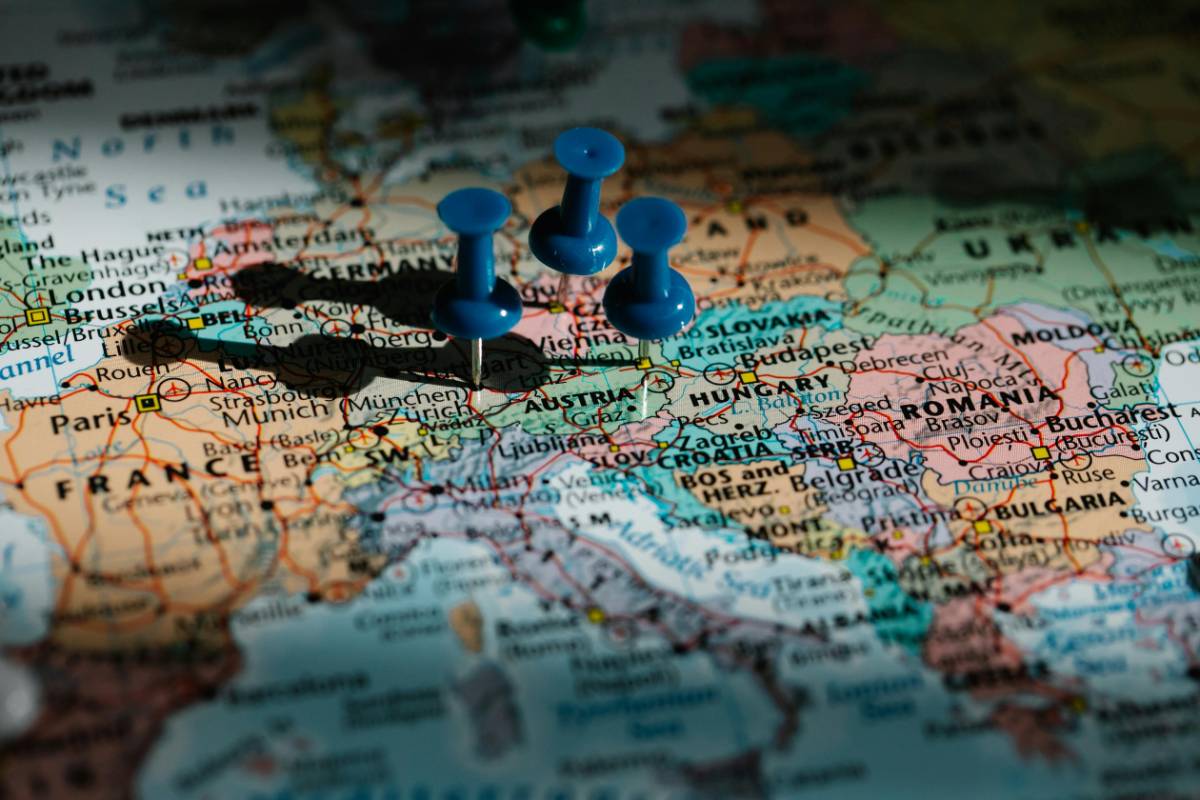
Planning a multi-country vacation is an exciting adventure that allows you to explore diverse cultures, landscapes, and attractions. However, with so many details to organize, it can also be a bit overwhelming. From choosing the right destinations to managing logistics, here are some tips to help you plan a seamless and unforgettable multi-country trip.1174a.jpg***Step 1: Choose Your Destinations WiselyThe first step in planning a multi-country vacation is selecting the destinations you want to visit. Consider regions that are geographically close to each other to minimize travel time and costs between countries. For example, traveling through Western Europe, Southeast Asia, or Central America can be more efficient than hopping between distant continents.It’s also essential to think about the type of experience you want. Are you looking to explore cities, relax on beaches, or immerse yourself in nature? Make sure your destinations offer a variety of activities that suit your interests and needs.***Step 2: Research Travel Restrictions and VisasBefore you start booking flights and accommodations, check the visa requirements and travel restrictions for each country you plan to visit. Many countries have specific visa policies, and some may require you to obtain a visa in advance, while others may offer visa-on-arrival services.Also, stay updated on any COVID-19 regulations, including quarantine requirements or vaccine documentation. Knowing this information in advance will help you avoid unexpected complications during your trip.***Step 3: Plan Your Route and TransportationOnce you’ve narrowed down your destinations and taken care of visa requirements, it’s time to plan your route. Think about how you’ll get from one country to another and the most efficient transportation options available.Flying between major cities is often the quickest and most convenient option. Look for budget airlines or travel passes that allow you to visit multiple cities at a discounted rate. Alternatively, train and bus services may be more scenic and affordable options, especially in regions like Europe and Southeast Asia.***Step 4: Create a Realistic ItineraryWith multiple countries to visit, it’s crucial to create a balanced and realistic itinerary. Don’t over-pack your schedule by trying to see everything at once. Instead, prioritize your must-see attractions and leave room for spontaneity.Be sure to factor in travel time between destinations. Some countries are larger than others, and you may spend several hours on a train or plane just getting from one place to another. Leave at least one full day in each city to explore before moving on to the next destination.***Step 5: Budget for the TripA multi-country vacation can be expensive, so it’s essential to budget for the entire trip. Start by estimating how much you’ll need for flights, accommodation, meals, and activities in each country. Don’t forget to factor in the cost of transportation between countries and any entry fees for museums, parks, or attractions.Consider using budgeting apps or spreadsheets to track your spending throughout the trip. You can also save money by staying in hostels, booking tours in advance, or choosing destinations with a lower cost of living.***Step 6: Pack Light and SmartPacking for a multi-country trip can be tricky, as you’ll need to prepare for a variety of climates and activities. The key is to pack light and versatile items that can be mixed and matched for different occasions.Pack clothing that can be layered, as temperatures can vary from one country to another. Comfortable shoes are a must, especially if you plan to do a lot of walking. Don’t forget travel-sized toiletries, a portable charger, and a daypack for sightseeing.1174b.jpg***Step 7: Stay Connected and Plan for CommunicationStaying connected while traveling through multiple countries can be a challenge. Look into purchasing a global SIM card or an international roaming plan that allows you to use your phone in several countries without incurring hefty fees.Alternatively, consider relying on Wi-Fi for communication. Many cafes, hotels, and public spaces offer free Wi-Fi, so you can use messaging apps or make calls through Wi-Fi networks. It’s also helpful to download offline maps and translation apps to navigate unfamiliar places.***Step 8: Learn the Basics of Local LanguagesWhile English is widely spoken in many countries, it’s always a good idea to learn a few key phrases in the local language. Simple greetings, thank you, and please can go a long way in making connections and showing respect for the local culture.Before you go, consider downloading language apps like Duolingo or Google Translate to help you with translations during your trip. Knowing a little of the local language will also enrich your experience and make your trip more enjoyable.***Step 9: Be Flexible and Embrace the UnexpectedOne of the most important tips for a multi-country vacation is to remain flexible. While it’s great to have an itinerary, things can change unexpectedly, whether it’s due to weather, transportation delays, or changes in local regulations.Embrace the unexpected and be open to spontaneous adventures. Some of the best travel memories come from unplanned moments, like discovering a hidden gem or meeting new people along the way.***Step 10: Stay Safe and Keep Important Documents SecureWhen traveling through multiple countries, it’s essential to prioritize your safety and keep important documents secure. Keep copies of your passport, visa, and other crucial documents in a separate location from the originals.Consider investing in a travel money belt or neck pouch to keep your passport and credit cards safe from pickpockets. Additionally, research the safety tips and guidelines for each country you’re visiting and stay informed about any potential risks.***Step 11: Enjoy the JourneyFinally, remember that travel is about enjoying the experience and embracing the journey. Take time to enjoy the sights, meet locals, and immerse yourself in the cultures you encounter. Don’t rush from one destination to the next, and make sure to savor every moment of your multi-country vacation.By following these tips and planning ahead, you can ensure a smoother and more enjoyable experience as you explore multiple countries. Whether it’s your first multi-country trip or your 10th, thoughtful preparation will help you create lasting memories and make the most of your adventure.
By Abraham Benjamin · 12 May 2026

Travel photography allows you to capture the essence of a destination, preserve memories, and share unique perspectives. Whether you’re an amateur or an experienced photographer, learning how to capture stunning travel photos can make your journey even more memorable. This guide provides tips and tricks to help you take breathtaking travel photos.1173a.jpg***Step 1: Choose the Right GearWhile smartphones have advanced cameras, investing in a good quality DSLR or mirrorless camera can elevate your travel photography. A versatile lens, such as a 24-70mm zoom lens, will allow you to capture wide landscapes and close-up shots with ease.In addition to the camera, make sure to carry extra memory cards, batteries, and a tripod for stability. If you’re traveling to remote locations, a lightweight camera bag that’s easy to carry is essential.***Step 2: Understand Lighting and Golden HoursThe best travel photos are often captured during the golden hours—shortly after sunrise and just before sunset. The soft, warm light creates a magical atmosphere and enhances the colors in your shots.Avoid shooting in harsh midday sunlight, which can create unflattering shadows and overexposed highlights. If you must shoot at midday, look for shaded areas or use the backlighting technique to create interesting silhouettes.***Step 3: Use the Rule of ThirdsOne of the simplest yet most effective composition techniques is the rule of thirds. Imagine dividing your image into a 3x3 grid, and position the key elements of your photo along the lines or at their intersections.For example, when photographing a landscape, place the horizon on the top or bottom third of the image rather than in the center. This adds balance and creates a more dynamic composition.***Step 4: Capture Local Life and CultureWhile landscapes are beautiful, some of the most stunning travel photos come from capturing local life and culture. Street markets, festivals, and everyday activities can tell compelling stories about a destination.Take the time to observe and interact with locals. Don’t hesitate to ask if you can photograph them, but always be respectful and considerate. Capturing candid moments adds authenticity to your travel photos.***Step 5: Experiment with Different PerspectivesA common mistake in travel photography is to shoot everything from eye level. While that’s often the most straightforward perspective, experimenting with different angles can add depth and interest to your photos.Try shooting from a low angle to make a subject appear grand and powerful, or capture a scene from a bird’s-eye view for a unique perspective. Climbing to higher ground or shooting through a frame can also create more visually striking images.***Step 6: Focus on DetailsNot every great photo needs to capture an entire scene. Focus on the small details that often get overlooked, such as textures, patterns, or the way light interacts with an object. These close-up shots can be just as stunning as wide vistas and help to tell a fuller story of your travels.When photographing architecture, for example, zoom in on intricate carvings or the play of light and shadow on a building’s surface. Small, intimate shots bring a unique perspective to your travel photo collection.1173b.jpg***Step 7: Use Natural FramingFraming is a powerful tool in photography that can help draw attention to the subject of your image. Look for natural frames in the environment, such as doorways, windows, archways, or tree branches.Positioning your subject within these frames creates a sense of depth and makes your image feel more immersive. Natural framing also adds an artistic touch to your photos and emphasizes the main subject.***Step 8: Play with ReflectionsReflections add an extra layer of intrigue to photos. Whether it’s the reflection of a building on a glass surface, a lake, or a puddle, the mirrored effect creates a visually interesting symmetry.When photographing reflections, make sure to align your shot properly so that the reflection is clear and not distorted. Additionally, play with the symmetry between the reflected and original images for added impact.***Step 9: Tell a Story with Your PhotosThe most captivating travel photos are the ones that tell a story. Instead of just capturing a beautiful scene, try to convey an emotion or narrative with your images.Consider how the lighting, composition, and subject matter can evoke a sense of wonder, adventure, or peacefulness. Think about how each shot fits into the bigger picture of your travels, and capture moments that highlight the journey rather than just the destination.***Step 10: Edit Your Photos ThoughtfullyEditing is an essential part of the photography process, but it’s important to do so in moderation. Enhance the natural beauty of your photos by adjusting exposure, contrast, and colors, but avoid over-editing to the point where the image looks unrealistic.Use editing software such as Lightroom or Snapseed to refine your shots. Simple edits like increasing sharpness, adjusting white balance, or adding a slight vignette can make your photos pop without altering their authenticity.***Step 11: Practice Patience and Be PreparedSome of the best travel photos require a little patience. Waiting for the right moment—whether it’s a passing cloud, a changing light, or the perfect person walking into the frame—can make all the difference in capturing a stunning shot.Make sure you’re always ready to shoot, keeping your camera accessible and prepared for action. The best photos often happen unexpectedly, so being patient and observant can help you capture that magical moment.Travel photography is about more than just snapping pictures; it’s about capturing the essence of a place, its people, and its culture. By following these tips and practicing your skills, you’ll be able to create a stunning portfolio of travel memories that tell the story of your adventures in a way that’s uniquely yours.
By Christopher David Wilson · 11 May 2026

When traveling abroad, understanding and respecting local cultural norms is crucial for building positive relationships and avoiding misunderstandings. Every country has its own set of etiquette rules, from greeting customs to dining manners. Familiarizing yourself with these practices can enhance your travel experience and show respect for the culture you’re visiting.1172a.jpg***Step 1: Research Local GreetingsOne of the first things you'll encounter when arriving in a new country is the local greeting. Handshakes, hugs, bows, or even cheek kisses may be the norm, but the way greetings are performed varies widely across cultures.In some countries, such as Japan, bowing is a traditional form of greeting, while in many Western cultures, a firm handshake is the standard. In the Middle East, greetings may include a kiss on both cheeks or a warm hug between close friends. Understanding these customs can help you avoid any awkwardness when meeting new people.***Step 2: Dress Appropriately for the CultureDress codes vary significantly from one country to another, and what's considered appropriate attire in your home country may not be suitable in another. Many cultures have more conservative dress codes, particularly in religious or rural areas.For example, in some Middle Eastern and Asian countries, it’s important to dress modestly, especially when visiting religious sites. In contrast, beach destinations might encourage more casual or relaxed clothing. Always research the dress code for the country you're visiting and pack accordingly to ensure you're respectful of local customs.***Step 3: Understand Table Manners and Dining EtiquetteDining etiquette is one of the most important aspects of cultural etiquette. While a meal in one country may involve formal seating arrangements and specific utensils, in another, it might be a more relaxed, communal experience.In some cultures, like in parts of Asia, it’s common to eat with chopsticks, and there are specific rules on how to use them, such as not sticking them upright in a bowl of rice. In the Middle East, sharing food from a communal plate is common, and in countries like Italy, it’s considered rude to order pasta with cream-based sauces after a certain time of day.***Step 4: Respect Local Religious PracticesReligion plays a central role in many cultures, and understanding local religious practices is important for demonstrating respect. In some countries, it’s crucial to dress modestly when visiting places of worship or to remove your shoes before entering certain areas, like temples or mosques.In predominantly Muslim countries, it’s important to be mindful of prayer times and fasting during Ramadan, when eating or drinking in public during daylight hours may be frowned upon. Always take the time to understand religious observances and be respectful during your travels.1172b.jpg***Step 5: Tipping PracticesTipping customs vary from one country to another. In the United States, tipping is common and expected, but in many European countries, a service charge is often already included in the bill, making tipping optional. In some Asian countries, like Japan, tipping is not a common practice and may even be seen as disrespectful.Before traveling, research the tipping customs in the country you’re visiting. This will help you avoid offending anyone or appearing disrespectful due to cultural differences. Understanding whether or not to tip, and how much, can enhance your experience and show appreciation for the services you receive.***Step 6: Be Mindful of Personal Space and Physical ContactDifferent cultures have different views on personal space and physical contact. In many Western countries, people value personal space and may not be comfortable with close physical contact from strangers. In contrast, cultures in the Mediterranean or Latin America may have a more relaxed view of personal space, and close physical proximity during conversations is more common.It’s important to observe how locals interact with one another and adapt accordingly. While it’s always important to respect boundaries, understanding cultural norms can help you engage more comfortably in social situations.***Step 7: Learn Key Phrases in the Local LanguageAlthough English is widely spoken in many countries, learning a few key phrases in the local language can go a long way in making a positive impression. Simple phrases like "hello," "please," "thank you," and "excuse me" can help break the ice and show that you appreciate the local culture.Learning a few words in the local language demonstrates respect and shows that you’ve made an effort to connect with the people and culture of the country you’re visiting. Locals often appreciate when travelers make the effort, even if it’s just a few basic phrases.***Step 8: Be Aware of Cultural Taboo SubjectsEvery culture has its taboos—subjects or actions that are considered offensive or inappropriate. These can vary widely, so it’s important to do your research before traveling. For example, discussing politics or religion may be a sensitive topic in certain cultures, and making jokes about the monarchy or national symbols can be considered highly disrespectful in others.When traveling, be mindful of these taboos and avoid bringing up potentially offensive subjects unless you are familiar with the cultural context. This helps avoid misunderstandings and ensures that you maintain a respectful attitude throughout your travels.***Step 9: Observe Local Customs and TraditionsIn every country, there are customs and traditions that play an important role in the daily lives of locals. Whether it’s a specific holiday, ritual, or social expectation, take time to learn about these practices and participate when appropriate. Showing genuine interest in local traditions can enhance your experience and demonstrate respect for the culture.Traveling abroad provides an opportunity to immerse yourself in a culture that may be very different from your own. By understanding and respecting local cultural norms, you not only enrich your travel experience but also foster goodwill and create meaningful connections with people you meet along the way.
By Robert Anthony Brown · 10 May 2026

Traveling with pets can be an incredibly rewarding experience, but it requires proper planning and preparation to ensure a smooth and safe journey for both you and your furry companion. Whether you're taking a road trip or flying across the country, there are key steps to follow to make traveling with pets enjoyable for everyone involved.1171a.jpg***Step 1: Prepare Your Pet for TravelBefore embarking on your journey, make sure your pet is ready for the experience. If your pet isn't used to traveling, start by taking them on short trips to get them accustomed to the car or carrier. This will help reduce stress and anxiety when it's time for the longer journey.For pets that are flying, check with your airline to understand their pet travel policies. Ensure your pet's carrier meets the airline's size requirements and that your pet is comfortable in it. You can also take your pet for visits to the vet to ensure they are in good health and up to date on vaccinations.***Step 2: Pack the Essentials for Your PetJust like you need to pack your own essentials for travel, your pet will need their own items for the journey. This includes food, water, medications, and any comfort items like toys, blankets, or a favorite bed. Packing familiar items can help your pet feel more at ease while traveling.Make sure to bring a leash, waste bags, grooming supplies, and any other necessities based on your pet's specific needs. If you’re flying, check with your airline for any additional items or requirements they may have for pets in the cabin or cargo hold.***Step 3: Ensure Your Pet's Identification is Up to DateBefore leaving, double-check that your pet's identification is up to date. Make sure they have a collar with an ID tag that includes your contact information, as well as a microchip in case they get lost during travel. Having updated identification is critical to ensure your pet can be safely returned to you if needed.For international travel, research the pet entry requirements for your destination. Many countries require pets to have specific vaccinations, a health certificate, and sometimes a microchip. Be sure to check these details well in advance of your travel date to avoid complications.***Step 4: Plan for Rest Stops and ExerciseIf you’re traveling by car, make sure to plan for frequent rest stops along the way. Pets, especially dogs, need regular bathroom breaks and opportunities to stretch their legs during long journeys. Stop every few hours to let your pet relieve themselves and get some exercise.Even if you're flying, look for pet-friendly layovers where your pet can be walked and exercised. Ensure you’ve arranged for someone to care for your pet during the flight if they are being checked into cargo, or inquire about in-cabin options if traveling with a smaller pet.1171b.jpg***Step 5: Keep Your Pet Hydrated and ComfortableStaying hydrated and comfortable is essential for pets during travel. Make sure you have a water bottle and bowl handy to offer your pet water throughout the journey. Some pets can get motion sickness, so be prepared with any medications your vet may recommend to prevent nausea.For pets traveling by air, be sure their carrier is well-ventilated and that they have enough space to move around. If traveling by car, keep the vehicle at a comfortable temperature and avoid leaving your pet alone in the car, as temperatures can fluctuate drastically.***Step 6: Book Pet-Friendly AccommodationsWhen you reach your destination, it’s important to have pet-friendly accommodations booked. Many hotels, resorts, and rental properties allow pets, but they may have specific policies or fees. Look for accommodations that offer pet amenities, such as designated pet areas, pet-sitting services, or even pet spas.Before booking, confirm with the property that they are pet-friendly and inquire about any restrictions. It's also helpful to research nearby parks or walking trails where you and your pet can enjoy time outdoors.***Step 7: Be Mindful of Your Pet’s Needs While TravelingThroughout the trip, always be mindful of your pet's needs. Pay attention to their behavior, as they may be stressed, anxious, or uncomfortable in new surroundings. Stick to their regular feeding and bathroom schedule as much as possible to reduce anxiety.If you're traveling to a different time zone, try to gradually adjust your pet's routine to the new schedule before leaving. Keep their comfort in mind by providing plenty of love, attention, and reassurance as they adjust to the journey.Traveling with pets can be a delightful experience with the right preparation and attention to detail. By planning ahead and taking the necessary steps to ensure their comfort and safety, you and your pet can enjoy the adventure together, making lasting memories along the way.
By Stefen · 09 May 2026
Creating the perfect travel itinerary is a key part of ensuring a smooth, enjoyable trip. Whether you're traveling solo, with friends, or with family, having a well-planned itinerary helps maximize your time and experiences at your destination. A good itinerary should balance sightseeing, relaxation, and flexibility so that you can make the most of your vacation.1170a.jpg***Step 1: Choose Your Destination and DatesThe first step in creating a travel itinerary is to decide where you're going and how long you'll stay. Research the destination thoroughly to get an idea of its top attractions, local culture, and climate. This will help you determine the best time to visit and the ideal duration of your trip.Once you've chosen a destination, decide on the dates of your trip. Factor in the season, weather conditions, and any special events or holidays that might impact your visit. Consider off-season travel to avoid large crowds and potentially lower prices.***Step 2: Research Attractions and ActivitiesNext, make a list of the top attractions and activities you want to experience. Whether it’s visiting historical landmarks, exploring national parks, or trying local cuisine, make sure to prioritize the experiences that are most important to you.Do some research on the must-see places and activities, but also allow room for spontaneity. Not everything needs to be pre-scheduled—leave space for unexpected discoveries or a leisurely afternoon in a local café. This flexibility will help you enjoy your trip without feeling rushed.***Step 3: Plan Your Daily ScheduleNow that you’ve compiled your list of attractions, it’s time to organize them into a daily schedule. Start by grouping nearby attractions together to minimize travel time between locations. Consider the amount of time you'll need for each activity and leave buffer time for rest or travel delays.Make sure to balance busy sightseeing days with relaxing downtime. Overpacking your schedule can lead to burnout, so ensure there's time to unwind and enjoy the local atmosphere. Flexibility is key, as some activities might take longer than expected or require adjustments based on weather.***Step 4: Add Transportation DetailsIf you're traveling between cities or countries, make sure to account for transportation in your itinerary. Include details about flight times, train schedules, and car rentals. For local transportation, look into public transport options or consider using ride-sharing apps to get around easily.For each leg of the trip, note the departure and arrival times, as well as any transfer information you might need. This will help you stay organized and avoid confusion during your travels.1170b.jpg***Step 5: Find AccommodationWhen planning your itinerary, it's crucial to select accommodations that suit your travel style and budget. Whether you prefer luxury hotels, cozy bed-and-breakfasts, or budget hostels, research and book your accommodations in advance to avoid disappointment, especially during peak seasons.Consider the location of your accommodations in relation to the attractions you plan to visit. Staying in a central location can save you time and money on transportation, while choosing a more remote area may offer a more peaceful retreat.***Step 6: Add Extra Tips and NotesBefore finalizing your itinerary, add any extra details or tips that may enhance your travel experience. Include important information such as local customs, language tips, and recommendations for restaurants or cafes.If you plan to visit popular attractions, consider purchasing tickets or making reservations in advance to avoid long lines. Make note of any local holidays or festivals that may affect operating hours or availability of services.***Step 7: Stay Flexible and Enjoy Your TripWhile a well-organized itinerary is essential for a smooth trip, it’s important to remain flexible. Travel can be unpredictable, and things may not always go as planned. Don’t stress if you need to make last-minute changes—embrace the unexpected and allow room for spontaneity.Ultimately, the goal of creating the perfect travel itinerary is to strike a balance between planning and flexibility. By carefully considering your destinations, activities, accommodations, and transportation, you can ensure a memorable and stress-free trip. So pack your bags, follow your itinerary, and enjoy the adventure!
By John Michael Smith · 08 May 2026

National parks are the epitome of natural beauty, preserving some of the most breathtaking landscapes, wildlife, and ecosystems in the world. Whether you're a seasoned adventurer or a first-time traveler, exploring national parks offers an immersive experience into the wonders of nature. These protected areas are ideal for hiking, wildlife viewing, camping, and connecting with the environment.1169a.jpg***Yellowstone National Park – A Geological WonderlandYellowstone, the first national park in the world, is an iconic destination for nature lovers. Spanning over 2.2 million acres, this park is home to stunning geothermal features, including the famous Old Faithful geyser, hot springs, and fumaroles. The park's vast landscapes also include dramatic canyons, lush forests, and the Yellowstone River.Wildlife enthusiasts will appreciate the park's abundant fauna, including bison, grizzly bears, wolves, and elk. With over 900 miles of hiking trails, visitors can experience the beauty of the park up close while immersing themselves in the serenity of its untouched wilderness.***Grand Canyon National Park – A Majestic View of TimeThe Grand Canyon is one of the most recognized natural wonders in the world. Carved by the Colorado River over millions of years, the canyon’s breathtaking vistas offer a glimpse into Earth’s ancient history. The sheer magnitude and vibrant colors of the canyon walls leave visitors awestruck as they explore its depths.For those seeking adventure, hiking the challenging Bright Angel or South Kaibab Trails provides an opportunity to explore the canyon’s interior. Visitors can also experience the park from the air with a scenic helicopter tour or raft down the Colorado River for a different perspective.***Banff National Park – A Canadian ParadiseNestled in the Canadian Rockies, Banff National Park is known for its pristine wilderness and stunning alpine landscapes. The turquoise waters of Lake Louise and Moraine Lake are two of the park’s most famous attractions, offering picturesque reflections of the surrounding snow-capped peaks.Banff offers exceptional wildlife watching opportunities, with sightings of elk, bighorn sheep, and black bears. In addition to hiking, visitors can indulge in skiing, kayaking, and mountain biking. Banff is a must-see for those seeking a blend of outdoor adventure and tranquil beauty.1169b.jpg***Kruger National Park – South Africa’s Wildlife HavenKruger National Park is one of the largest and most renowned game reserves in Africa, offering an unparalleled safari experience. With an area larger than many European countries, Kruger is home to the Big Five – lions, elephants, rhinos, buffaloes, and leopards – along with a vast array of other species.Visitors can explore the park’s diverse ecosystems through self-guided drives, guided safaris, or walking tours. Kruger also offers luxurious safari lodges and camps, where travelers can enjoy comfort and elegance while witnessing the raw beauty of Africa’s wildlife in their natural habitat.***Zion National Park – A Hiker’s ParadiseZion National Park, located in southern Utah, is famous for its red sandstone cliffs, narrow canyons, and diverse plant and animal life. Hiking is the park's main attraction, with trails like Angels Landing offering stunning views and a thrilling challenge for experienced hikers. The Narrows is another popular trail, where adventurers can walk through the Virgin River between towering canyon walls.For those seeking a more relaxing experience, Zion also offers scenic drives, picnicking spots, and opportunities for birdwatching. The park’s unique geology and desert landscapes create an awe-inspiring backdrop for nature lovers.***Yosemite National Park – Majestic Granite GiantsYosemite National Park, located in California’s Sierra Nevada, is famous for its giant sequoia trees, granite cliffs, and stunning waterfalls. The iconic El Capitan and Half Dome rock formations attract climbers and photographers from around the world.Yosemite is also a prime destination for hikers, with trails that offer spectacular views of the park’s stunning landscapes. Visitors can also enjoy horseback riding, star-gazing, and river rafting. For a more serene experience, explore the park’s numerous meadows and groves for a peaceful retreat into nature.***Conclusion: Nature’s Greatest Adventures AwaitNational parks are more than just scenic spots; they are treasures that preserve the planet’s most stunning landscapes and diverse ecosystems. Whether it’s the geothermal wonders of Yellowstone, the majestic views of the Grand Canyon, or the wildlife-rich Kruger National Park, each destination offers a unique adventure in nature. By visiting these natural wonders, you not only experience the beauty of the earth but also support the preservation of these incredible ecosystems for future generations to enjoy. So pack your bags, hit the trails, and immerse yourself in the greatness of the outdoors!
By Abraham Benjamin · 07 May 2026

For those seeking an extraordinary journey filled with comfort, opulence, and memorable experiences, luxury travel destinations offer the perfect escape. These exclusive locations combine natural beauty with world-class amenities, private accommodations, and personalized services, making each stay a unique adventure.1168a.jpg***Paris, France – A Timeless Destination for EleganceKnown as the City of Light, Paris exudes sophistication and romance, making it a top choice for luxury travelers. Lavish hotels such as The Ritz and Le Meurice offer palatial rooms, Michelin-starred restaurants, and views of iconic landmarks like the Eiffel Tower. Shopping at designer boutiques along Champs-Élysées or enjoying private art tours in the Louvre is part of the ultimate Parisian experience.Beyond the main attractions, private Seine River cruises and gourmet wine-tasting sessions provide immersive, exclusive experiences. Paris is a city where elegance and luxury harmoniously blend, creating unforgettable memories.***Maldives – Secluded Paradise with Overwater VillasThe Maldives is a luxury destination celebrated for its crystal-clear waters, white sandy beaches, and private overwater bungalows. Resorts like the Soneva Jani and the Four Seasons Landaa Giraavaru offer secluded villas with direct ocean access, private infinity pools, and personalized butler services.From exploring coral reefs through private snorkeling tours to dining under the stars on secluded islands, the Maldives provides an intimate, exclusive setting. With exceptional spa treatments and underwater restaurants, it is the perfect destination for those seeking relaxation in paradise.***Dubai, UAE – Glamour and Innovation in the DesertDubai stands out as a futuristic city of luxury, offering everything from sky-high hotels to extravagant shopping experiences. The Burj Al Arab, with its sail-shaped architecture and seven-star amenities, is a symbol of opulence. Travelers can enjoy private helicopter tours, exclusive desert safaris, and luxurious yacht cruises along the coast.Dubai’s vibrant culinary scene includes fine dining in world-renowned restaurants and unique experiences like dining under the sea at Ossiano. With shopping festivals, private golf courses, and indoor skiing, Dubai redefines luxury travel.1168b.jpg***Santorini, Greece – Sunset Views in Aegean BlissSantorini captivates luxury travelers with its iconic whitewashed buildings, deep blue domes, and spectacular sunset views. High-end accommodations like Canaves Oia Suites provide cliffside rooms with infinity pools overlooking the caldera. Private yacht tours around the islands and exclusive wine tours in the famous vineyards make Santorini an idyllic destination.Whether relaxing in a private villa or dining at upscale seafood restaurants, the unique blend of luxury and serene surroundings makes Santorini a magical escape for discerning travelers.***Kyoto, Japan – A Journey into Traditional LuxuryKyoto combines the elegance of Japanese tradition with modern luxury. The city’s high-end ryokans (traditional inns) such as Hoshinoya Kyoto offer private rooms with hot spring baths, Kaiseki-style meals, and scenic views of lush Japanese gardens. Visitors can enjoy tea ceremonies, guided tours of ancient temples, and private geisha performances.For a deeper cultural experience, private cooking classes, Zen meditation sessions, and curated shopping tours of artisanal crafts provide a blend of elegance and authenticity. Kyoto is a tranquil luxury destination for those who value tradition and beauty.***New York City, USA – The City That Never Sleeps in StyleNew York City is a luxury playground offering premier hotels, fine dining, and unparalleled entertainment. Hotels like The Plaza and The St. Regis provide timeless elegance with exceptional service. Private helicopter tours over Manhattan, exclusive Broadway show tickets, and shopping at Fifth Avenue’s designer stores are just a few indulgent experiences available.In addition to art galleries and renowned museums, visitors can dine at Michelin-starred restaurants and explore the city’s vibrant nightlife. New York combines the excitement of a bustling city with world-class luxury amenities, making it an unforgettable destination.***Conclusion: Elevate Your Travel with Luxury DestinationsLuxury travel destinations redefine the meaning of a holiday by offering a balance of adventure, relaxation, and exclusivity. Whether it’s the secluded beaches of the Maldives, the cultural elegance of Kyoto, or the glamour of Dubai, these destinations provide a perfect escape for those who seek the finest experiences. With carefully curated services and attention to detail, luxury travel opens up a world of unforgettable journeys that make every moment extraordinary.
By Christopher David Wilson · 06 May 2026

Traveling abroad opens up a world of exciting experiences, from discovering new cultures to exploring breathtaking landscapes. However, safety is an essential part of ensuring your journey is enjoyable and worry-free. With the right precautions, you can safeguard yourself against potential risks and make the most of your trip.1167a.jpg***Research Your Destination ThoroughlyBefore you travel, spend time learning about your destination. This includes understanding local customs, laws, and cultural norms to ensure you don’t unintentionally offend anyone or find yourself in an awkward situation. Familiarize yourself with the area’s current safety situation, including political stability, common scams, and areas best avoided.Use reliable sources such as government travel advisories, reputable travel blogs, and official tourism websites. Knowledge about your destination will empower you to navigate confidently, minimizing surprises along the way.***Secure Your Documents and ValuablesMake copies of important documents like your passport, visa, insurance information, and travel itinerary, and store them separately from the originals. Additionally, consider scanning these documents and saving them securely online for easy access.Use a money belt or a neck wallet to keep cash and valuable items safe. When heading out, carry only the essentials and leave the rest locked in a hotel safe or secure location. Avoid displaying expensive items, as this can make you a target for theft.***Stay Connected: Communication and Emergency ContactsMaintaining regular contact with friends or family members can be a vital safety net. Inform them of your itinerary and check in periodically. Have local emergency contact numbers saved on your phone, including police, medical services, and your country’s embassy or consulate.Consider investing in an international phone plan or a local SIM card to ensure you’re reachable and can access maps and translation apps as needed. In case of an emergency, having communication readily available can make a significant difference.***Blend In to Avoid Drawing Unwanted AttentionIn some countries, tourists can stand out as easy targets for scams or theft. To reduce this risk, try to blend in with locals by dressing modestly and appropriately for the culture. Avoid wearing clothing or accessories that may signal you are a foreigner or draw attention to your wealth.Respect the local etiquette, and observe how people behave in public places. Blending in can enhance your travel experience by helping you gain acceptance from locals while also increasing your personal safety.1167b.jpg***Be Cautious with Food and WaterConsuming food or water from unfamiliar sources can lead to illness, particularly in regions where sanitation practices may differ. Stick to bottled water or water that has been boiled, especially if you’re unsure about the water quality. Similarly, be cautious with ice cubes as they may be made from tap water.When trying local food, opt for well-cooked dishes and popular street food stalls with high turnover, which often indicates fresher food. If you have dietary restrictions or allergies, learning some phrases in the local language or using a translation app can help you communicate your needs effectively.***Stay Aware of Your SurroundingsSituational awareness is crucial while traveling abroad. Pay attention to people around you, especially in crowded areas like markets, tourist sites, or public transportation. Pickpocketing is a common issue in crowded spots, so keep your belongings close and secure.Trust your instincts and be cautious if someone seems overly friendly or tries to distract you. Scammers often use these tactics to target tourists. Staying alert can help you avoid potential problems and enjoy a safer experience.***Protect Yourself with Travel InsuranceTravel insurance is an essential investment that provides coverage for unforeseen events such as medical emergencies, trip cancellations, or lost belongings. Before purchasing, review the policy to understand what it covers and ensure it’s suited to your travel needs.Having travel insurance can offer peace of mind and protect you from financial losses if an unexpected situation arises. Be sure to keep a copy of your insurance policy and contact information on hand.***Trust Your Instincts and Stay VigilantIntuition is one of the best tools you have while traveling. If a situation or person feels off, trust your instincts and remove yourself from the situation. Don’t be afraid to say no or walk away if someone pressures you into doing something that makes you uncomfortable.Being vigilant and cautious doesn’t mean you can’t have fun. It’s about balancing awareness with enjoyment to ensure a rewarding and safe travel experience.***Conclusion: Enjoy Your Journey with Peace of MindTraveling abroad can be one of the most enriching experiences in life. By prioritizing safety and staying prepared, you allow yourself to fully embrace the adventure while minimizing risks. With a little caution and preparation, your journey will be smoother, and you’ll come back with memories to last a lifetime.
By Robert Anthony Brown · 05 May 2026
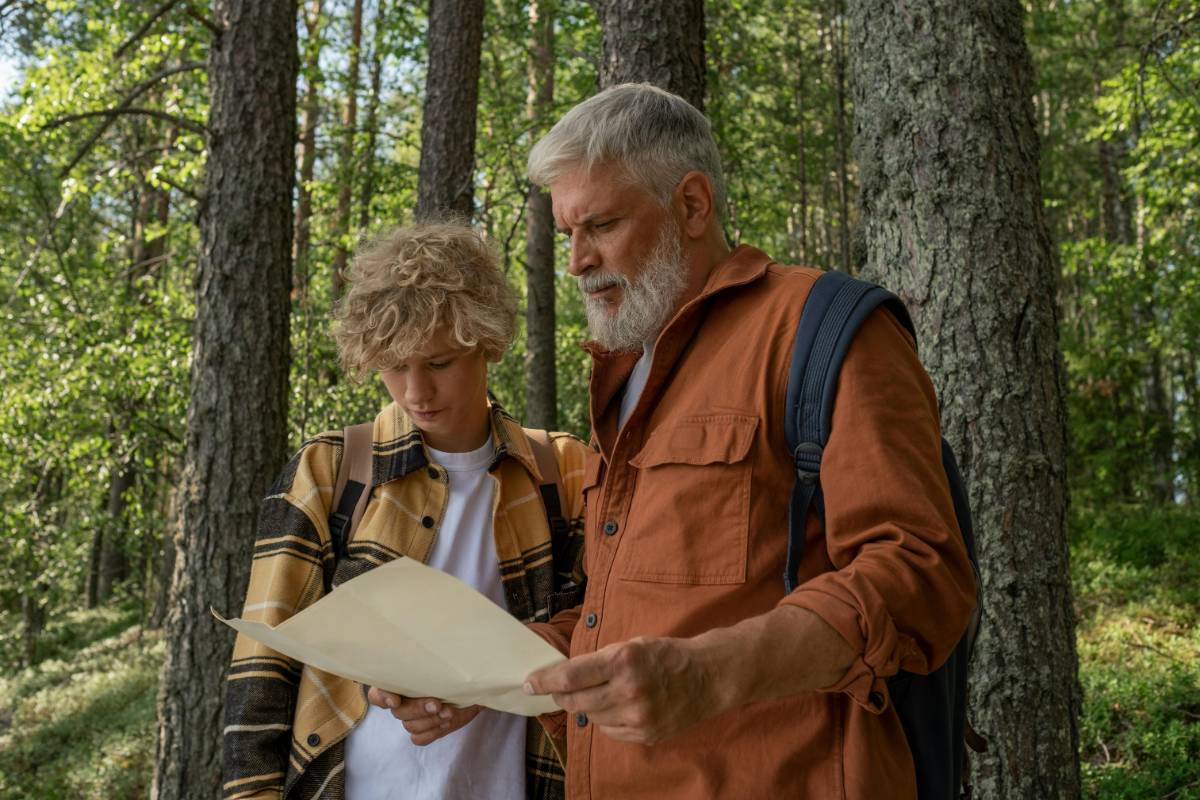
Embarking on a backpacking adventure offers an unparalleled way to explore new places, experience diverse cultures, and connect with nature. For those new to the experience, planning and preparing for a backpacking trip can seem daunting, but with the right strategies and knowledge, you can set yourself up for a safe and memorable journey.1166a.jpg***Choosing the Right Gear: Essentials for Every BackpackerSelecting the appropriate gear is one of the most crucial aspects of preparing for a successful backpacking trip. This includes choosing a reliable backpack that fits well and distributes weight evenly, as well as packing weather-appropriate clothing and durable footwear. Key essentials also include a high-quality sleeping bag, a lightweight tent, and a compact cooking setup if you plan to camp overnight.Additionally, it's important to have a first-aid kit, a multi-tool, and navigation tools such as a map, compass, or GPS. Consider the weight and bulk of each item carefully, as overpacking can lead to physical strain. Opt for multipurpose gear and prioritize lightweight options to keep your load manageable.***Planning Your Route: Understanding Terrain and WeatherPlanning your route in advance is critical for ensuring safety and enjoyment on your backpacking trip. Begin by researching the area you wish to explore, paying close attention to the terrain, elevation changes, and potential hazards. Choose a trail that matches your fitness level and experience, and be prepared for unexpected changes in weather, especially if you’re hiking in mountainous or coastal areas.When planning, consider factors such as the length of the trail, availability of water sources, and designated camping areas. Online trail maps and apps can offer detailed insights into popular backpacking routes, allowing you to gauge the difficulty level and determine if the trail aligns with your comfort zone.1166b.jpg***Packing Light: Streamlining Your Supplies for EfficiencyEfficient packing is an art form in backpacking, and it starts with minimizing non-essential items. Stick to the basics, and aim to carry only what you’ll realistically need. This means packing versatile clothing that can be layered for warmth, and investing in compact, lightweight equipment.Organize your backpack strategically, with frequently used items such as snacks, water, and a map placed in easily accessible compartments. Heavier items should be packed close to your back to maintain stability, while lighter items can be placed further away. This method of packing reduces strain on your body and makes for a more comfortable hiking experience.***Staying Safe on the Trail: Precautions and AwarenessSafety is paramount during any backpacking adventure. Before heading out, ensure you’re familiar with basic survival skills such as fire-building, navigation, and water purification. If you're hiking in bear country, bring bear spray and learn the proper protocols to prevent unwanted wildlife encounters.Always inform someone of your route and expected return time. Carry a whistle and a basic first-aid kit, and know how to respond in case of injury. Staying aware of your surroundings and respecting natural habitats will contribute to a safer and more enjoyable experience.***Navigating Water and Food Supplies: Essentials for Sustained EnergyWater and food are crucial for maintaining energy levels, especially on longer hikes. Plan to carry enough water for each day, and know where you can refill along the trail. In areas with natural water sources, bring a filtration device or purification tablets to ensure you have access to clean drinking water.For food, pack nutrient-dense options like trail mix, dried fruit, jerky, and energy bars. If you're on a multi-day hike, consider easy-to-prepare dehydrated meals. Proper planning of meals and hydration will help sustain your energy and keep you feeling strong throughout your journey.***Practicing Leave No Trace PrinciplesRespect for the environment is a core principle of backpacking. Practicing Leave No Trace principles means minimizing your impact on nature. This includes packing out all trash, staying on designated trails, and camping only in permitted areas. By following these practices, you help preserve natural spaces for future visitors and contribute to a cleaner, healthier environment.***Conclusion: Embracing the Journey and Building ConfidenceBackpacking offers a unique opportunity to challenge yourself, build resilience, and experience the beauty of the outdoors. While it may seem intimidating initially, proper planning, packing, and preparation can turn a first-time backpacking trip into an unforgettable adventure. As you gain experience and confidence on the trail, you’ll discover that the rewards of backpacking far outweigh the initial challenges.,
By Stefen · 04 May 2026

Confident travel in 2026 depends on preparation, timing, and smart decision-making—not guesswork. From navigating airports efficiently to choosing the right accommodations and avoiding common pitfalls, travelers who understand how systems work can reduce stress, save time, and move through their journey with greater ease and control.
By Robert Anthony Brown · 17 May 2026
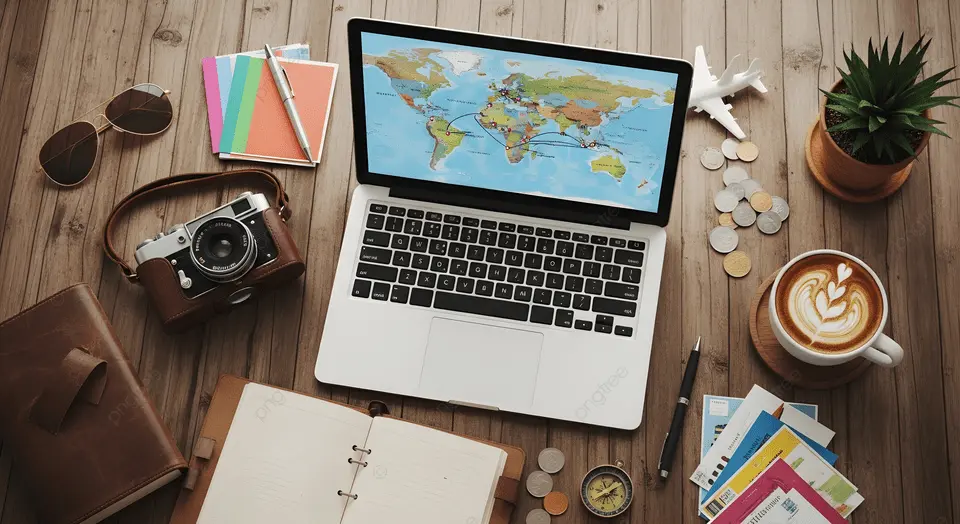
Travel planning today is less about rigid schedules and more about making small, intentional adjustments that improve comfort and save time. By focusing on smarter timing, efficient organization, and realistic expectations, travelers can significantly reduce stress and enjoy smoother, more predictable trips without increasing their budget.
By Robert Anthony Brown · 16 May 2026

Saving money on travel in 2026 is less about finding obvious discounts and more about understanding how pricing works. Seasoned travelers use subtle booking strategies—like timing, flexibility, and total cost evaluation—to consistently reduce expenses without compromising the experience. These small, informed decisions often lead to meaningful savings across the entire trip.
By Robert Anthony Brown · 14 May 2026

Smart travel in 2026 is no longer about chasing the cheapest deals—it’s about making informed decisions that reduce overall costs without sacrificing comfort. Frequent flyers rely on systems, flexibility, and awareness of hidden fees to travel efficiently. Here’s how experienced travelers consistently save money while maintaining a better travel experience.
By Robert Anthony Brown · 13 May 2026
Subscribe to our newsletter to get our newest articles instantly!

There’s something magical about a beach destination that invites relaxation, with its calming waves, warm sands, and the gentle rustling of palm trees. From secluded shores to luxurious resorts, here’s a guide to some of the most unforgettable beach destinations that guarantee the ultimate relaxation experience.1162a.jpg***The Caribbean Charm of Turks and CaicosWith its stunningly clear waters and soft, white sands, Turks and Caicos is a go-to for anyone looking for a picture-perfect beach escape. Grace Bay Beach is particularly famous, offering 12 miles of uninterrupted coastline with minimal crowds, calm waves, and ample sun. Luxury resorts line the shores, catering to visitors who seek both comfort and serenity.Visitors to Turks and Caicos can indulge in spa treatments, local cuisine, and water activities like snorkeling and paddleboarding. For those who prefer to relax with a view, several beachfront cafes and lounges provide a perfect setting for soaking in the island’s natural beauty.***The Serenity of the MaldivesThe Maldives remains a top choice for travelers seeking seclusion and peace. Known for its overwater bungalows, clear lagoons, and coral reefs, each island resort offers its private paradise, free from crowds and filled with luxurious amenities. You can wake up to panoramic views of the ocean, enjoy spa treatments on the beach, and unwind with yoga sessions by the water.Beyond relaxation, the Maldives offers fantastic snorkeling and diving experiences. The reefs are home to vibrant marine life, including rays, turtles, and an array of colorful fish. For ultimate tranquility, consider booking a private villa, where you can have your own slice of paradise all to yourself.***Bora Bora, French Polynesia: The Jewel of the PacificBora Bora is synonymous with romance and relaxation. Known for its turquoise lagoons, coral reefs, and luxury resorts, this destination is ideal for those looking to unwind and reconnect. With private beaches, clear blue waters, and lush mountains, Bora Bora offers a mix of relaxation and natural beauty that is hard to match.Luxury overwater bungalows are a highlight in Bora Bora, offering direct access to the lagoon and breathtaking sunset views. Enjoy leisurely days kayaking, snorkeling, or simply soaking up the sun on the beach. For those seeking adventure, a hike up Mount Pahia provides panoramic views of the entire island, making it a must-visit for nature enthusiasts.***Santorini, Greece: Cliffside Beauty and TranquilitySantorini’s beaches may be unique with their volcanic black and red sands, but its serene views and charming atmosphere make it a top destination for relaxation. Known for its whitewashed buildings, cliffside views, and vibrant sunsets, Santorini offers an unforgettable experience with a mix of beach relaxation and cultural exploration.Visitors can relax on Perissa Beach, known for its black sand and tranquil setting, or explore the cozy streets of Oia. As one of Greece’s most iconic islands, Santorini offers a blend of laid-back beach vibes with a touch of Mediterranean charm. Luxurious villas overlooking the sea are a popular choice for a relaxing stay.1162b.jpg***The Undisturbed Beauty of SeychellesSeychelles is an idyllic choice for travelers seeking quiet, undisturbed beach time. Known for its lush landscapes, granite boulders, and crystal-clear waters, Seychelles offers a wide array of beaches, from the remote Anse Source d’Argent to the luxurious shores of Beau Vallon. Each beach offers its unique charm, but all are marked by calm waters and minimal crowds.Beyond the beaches, Seychelles is also known for its abundant wildlife, including giant tortoises. For an exclusive experience, visitors can book private villas or stay at one of the many eco-friendly resorts that cater to sustainable tourism, allowing you to relax while supporting the environment.***Phuket, Thailand: A Tropical GetawayPhuket, Thailand’s largest island, is famous for its vibrant beaches, luxury resorts, and relaxed vibe. Patong Beach and Kata Beach are popular spots for tourists, but quieter beaches like Nai Harn and Freedom Beach offer a more secluded escape. Thailand’s warm culture and exotic cuisine enhance the tropical relaxation experience.For those interested in wellness, Phuket offers a range of spa treatments, beachfront yoga, and meditation centers. Additionally, the surrounding islands, including the Phi Phi Islands, provide day trip opportunities for snorkeling, diving, and exploring turquoise waters.***Maui, Hawaii: Where Nature Meets RelaxationMaui provides a blend of relaxation and adventure with its golden sands, lush jungles, and volcanic landscapes. From the famous Wailea Beach to the picturesque Ka’anapali Beach, Maui offers an array of options for beach lovers. Whether you want to unwind by the shore, explore marine life while snorkeling, or indulge in local Hawaiian cuisine, Maui has something for everyone.For a unique experience, drive along the Hana Highway, where you can enjoy stunning views of waterfalls, lush greenery, and ocean cliffs. Maui also offers luxurious resorts with spa facilities, making it easy to relax and rejuvenate while immersed in the island’s natural beauty.***The Allure of the Amalfi Coast, ItalyThe Amalfi Coast is renowned for its dramatic cliffs, colorful villages, and picturesque beaches. Places like Positano and Ravello are favorites among travelers looking to unwind in a stylish yet tranquil setting. The beaches are pebbled and surrounded by charming towns, offering both relaxation and cultural exploration.For a relaxing stay, book a seaside villa where you can enjoy spectacular views of the Mediterranean Sea. Enjoy local Italian cuisine, sunbathe on the beach, or take a boat trip along the coast. The Amalfi Coast blends elegance and natural beauty, making it a top choice for those seeking a sophisticated beach getaway.***Conclusion: Finding Your Perfect Beach EscapeWhether you’re looking for the secluded luxury of the Maldives, the dramatic cliffs of Santorini, or the cultural charm of the Amalfi Coast, there’s a beach destination out there for every type of traveler. Each of these destinations offers a unique experience, allowing you to unwind, recharge, and immerse yourself in the natural beauty of your surroundings. Embrace the relaxation and adventure that comes with a beach getaway, and discover the joy of escaping to one of these unforgettable beach destinations.
By Robert Anthony Brown · 30 Apr 2026
Booking last-minute travel deals can be an exciting yet challenging task. Many travelers believe that booking in advance is the only way to get the best prices, but that's not always true. With the right strategies and tips, you can snag incredible deals even at the last minute. Here are some proven tips for booking last-minute travel deals without breaking the bank.1318a.jpg***Use Travel Deal Websites and AppsOne of the easiest ways to find last-minute travel deals is by using travel deal websites and apps. Platforms like Skyscanner, Kayak, and Google Flights allow you to compare prices across various airlines, booking sites, and dates. Many of these platforms also feature price alerts that notify you when there's a significant price drop for your desired destination.For last-minute deals, websites like Lastminute.com and Secret Escapes specialize in offering discounted prices on flights, hotels, and holiday packages that are available for immediate travel. Don’t forget to check travel apps that offer last-minute hotel bookings like HotelTonight, which often provides great savings on unsold hotel rooms.***Be Flexible with Your Travel Dates and LocationFlexibility is key when booking last-minute deals. Airlines and hotels often offer significant discounts on flights and rooms that depart or are available within the next few days or weeks. If you’re flexible with your travel dates, you’ll have a better chance of securing these deals.Likewise, being open to alternative destinations or nearby airports can help you save money. For example, if a flight to your original destination is too expensive, look for nearby cities and check the costs of local transportation to reach your final destination. Traveling during off-peak seasons or weekdays can also lower your chances of paying high prices.1318b.jpg***Sign Up for Fare AlertsSetting up fare alerts is one of the best ways to monitor price drops on flights. Websites like Skyscanner, Airfarewatchdog, and Google Flights allow you to enter your destination and receive instant email notifications when prices fall. By keeping an eye on these alerts, you can jump on the best deals before they disappear.Airlines sometimes offer flash sales and discount promotions through email newsletters. Signing up for your favorite airline's email list or loyalty program can provide you with early access to exclusive offers and last-minute deals.***Consider Alternative AirportsMajor airports often have higher flight prices due to increased demand. If you're flexible with your arrival or departure, consider using smaller or alternative airports. You may find that flying into or out of an airport a little further from your original destination could save you hundreds of dollars.When looking for flights, use flight comparison tools to check multiple airports near your destination. For example, if you're flying to New York City, you might find cheaper options flying into Newark instead of JFK or LaGuardia. Always weigh the cost savings against any additional travel time to your final destination.***Book Flights During Off-Peak HoursAnother effective strategy is to book your last-minute flight during off-peak hours. Flights tend to be cheaper during late-night or early-morning hours when demand is lower. If you can manage an early departure or a late arrival, you may be able to find more affordable options.Many airlines offer lower-priced tickets on flights that are expected to have fewer passengers. Booking flights that depart in the early morning or late evening hours can increase your chances of finding a last-minute deal.***Use Airline Miles or Points for DiscountsIf you’re a frequent traveler, using airline miles or credit card points can help offset the cost of a last-minute flight. Many airlines allow you to use accumulated miles for both flights and hotel stays, making last-minute travel more affordable.You can also consider using points for hotel bookings and car rentals, allowing you to save on the overall cost of your trip. Be sure to check your airline's rewards program for special deals or offers available for last-minute bookings.***Check Out Package DealsSometimes, last-minute package deals that include flights, hotels, and car rentals offer significant savings. Websites like Expedia, Travelocity, and Priceline allow you to book all-inclusive travel packages at a discount when booked within a few days of departure.Package deals are a great way to save time and money, as they bundle everything you need for a trip into one affordable package. Even if you’re booking last-minute, these deals can still offer discounts and perks that individual bookings might not provide.***Don’t Forget to NegotiateAlthough it may seem intimidating, negotiating with hotels, car rental companies, and tour operators can sometimes lead to lower prices, especially when you're booking last-minute. If you're contacting a hotel directly or booking through a platform, ask about any unlisted discounts or last-minute offers they may have available. Sometimes, they’re willing to lower prices just to fill vacancies.Additionally, when booking a car rental, ask about special promotions, or see if they’ll offer a discount for a last-minute booking. A little negotiation can go a long way in making your trip more affordable.***ConclusionBooking last-minute travel deals can be a great way to save money if you follow the right strategies. Be flexible with your travel dates and location, use travel deal websites and fare alerts, consider alternative airports, and don’t be afraid to negotiate. With a little patience and flexibility, you can book a fantastic trip without spending a fortune. So, the next time you're in a pinch and need to travel quickly, use these tips to book an affordable and memorable last-minute vacation.
By Robert Anthony Brown · 26 Apr 2026

Planning a trip can be overwhelming, but with the right tools, it becomes an enjoyable experience. Travel apps have revolutionized how we organize, book, and navigate our journeys. Here are some of the best travel apps to make your next adventure seamless and stress-free.1301a.jpg***Trip Planning and Booking AppsOne of the first steps in organizing a trip is planning your itinerary and booking accommodations. Apps like Google Trips and TripIt help you consolidate travel details into a single place. These apps also provide suggestions for activities, restaurants, and attractions based on your destination.For booking flights and hotels, apps such as Skyscanner and Booking.com offer user-friendly interfaces, competitive prices, and filters to match your preferences. With these apps, you can easily compare options and find the best deals for your travel needs.***Navigation and MapsOnce you’ve arrived at your destination, navigating an unfamiliar place can be a challenge. Apps like Google Maps and Waze are indispensable tools for directions, live traffic updates, and exploring local points of interest.For those who prefer offline navigation, Maps.me is a great option. It allows you to download maps and access them without an internet connection, ensuring you never get lost, even in remote areas.***Language TranslationTraveling to a country where you don’t speak the language? Apps like Google Translate and iTranslate make communication easier by offering instant translations. Many of these apps support voice input and can even translate text from images, such as menus or signs.Offline translation features are especially helpful in areas with limited connectivity. Download language packs in advance to use the app without requiring an internet connection.***Expense ManagementManaging expenses while traveling is crucial to staying within your budget. Apps like Splitwise and Trail Wallet help you track spending, split costs with travel companions, and categorize expenses for better budgeting.These tools make it easier to stay organized, ensuring you have a clear picture of where your money is going during your trip.1301b.jpg***Food and DiningExploring local cuisine is often a highlight of any trip. Apps like Yelp and Zomato help you find highly rated restaurants and read reviews to make informed choices. Many apps also let you filter by cuisine type, price range, and dietary restrictions.For a more authentic experience, try EatWith or Traveling Spoon. These apps connect you with locals offering home-cooked meals or unique dining experiences.***Local TransportationGetting around in a new city is much easier with transportation apps. Uber and Lyft are available in many cities worldwide, offering convenient rideshare services. For public transportation, apps like Citymapper and Moovit provide detailed schedules and routes for buses, trains, and subways.These apps help you navigate local transit systems efficiently, saving time and effort during your travels.***Entertainment and ActivitiesDiscovering fun things to do at your destination is made easy with apps like GetYourGuide and Viator. These platforms offer curated lists of tours, attractions, and activities, often with the option to book directly.Whether you’re looking for guided city tours, adventure sports, or cultural experiences, these apps have you covered.***Packing AssistancePacking can be a daunting task, but apps like PackPoint simplify the process. Based on your destination, travel dates, and planned activities, these apps create customized packing lists to ensure you don’t forget any essentials.They even consider factors like weather conditions and trip duration, helping you pack smartly and efficiently.***ConclusionWith the help of these travel apps, planning and navigating your next trip can be hassle-free and enjoyable. From booking flights to exploring local attractions, these tools are designed to enhance every aspect of your travel experience. Download your favorites and get ready to embark on an adventure with confidence!
By John Michael Smith · 26 Apr 2026
Budget travel in 2026 is less about chasing the lowest price and more about making smarter decisions across your entire trip. With dynamic pricing, hidden fees, and bundled services becoming standard, travelers who focus on total cost—not just upfront deals—are the ones who actually save money.***The Shift From Cheap to Smart TravelFor years, budget travel meant finding the cheapest flight or hotel. Today, that approach can lead to higher overall spending due to added fees, inconvenient schedules, and poor planning. Airlines and booking platforms now use advanced pricing systems that reward flexibility and timing rather than simple bargain hunting.A low-cost flight with baggage fees, seat selection charges, and long layovers can easily cost more than a slightly higher fare that includes everything. The new rule is clear: the cheapest option is rarely the most cost-effective.***Why Travel Costs Feel HigherTravelers across the U.S. are noticing rising costs, driven by increased demand, higher fuel prices, and dynamic pricing algorithms. Prices now fluctuate based on demand patterns, browsing behavior, and booking timing.While baseline prices may be higher, opportunities to save still exist for those who understand how pricing works and adapt their strategies accordingly.Ar202605.webp***Booking Flights the Smart WayAirfare remains one of the biggest expenses, but smart strategies still lead to savings. Flexibility is key—flying midweek, choosing early or late departures, and setting up fare alerts can significantly reduce costs.Booking too early is no longer always beneficial. For domestic trips, the best deals are often found within a 3–8 week window before departure. Price tracking tools help travelers avoid guesswork and book at the right time.***Rethinking Accommodation ChoicesAccommodation pricing has become more complex with additional service and cleaning fees. Comparing total costs rather than nightly rates is essential when choosing between hotels and rentals.Hotels increasingly offer competitive pricing, flexible cancellation policies, and loyalty perks. Staying slightly outside city centers can also reduce costs without sacrificing convenience.***Transportation: A Hidden ExpenseGround transportation is often overlooked but can significantly impact your budget. Rideshare services may seem convenient but can become expensive over multiple days.Using public transportation, booking rental cars early, or combining different transport options based on your itinerary can help manage costs more effectively.***Saving on Food Without Missing OutFood is one of the easiest areas to control spending. Travelers can save by making lunch their main meal, buying breakfast items from grocery stores, and limiting high-cost dining to select experiences.Local markets, casual eateries, and street food provide authentic and affordable alternatives to tourist-focused restaurants.***Experiences: Spend with IntentionActivities and attractions can quickly add up. Instead of trying to do everything, focus on a few meaningful experiences and balance them with free options like parks, museums, and local events.Ar202606.webpMany cities offer free admission days or low-cost cultural activities that provide great value without stretching your budget.***Using Technology WiselyTravel apps and booking platforms are powerful tools, but they can also lead to impulse spending. Limited-time deals and notifications can create urgency that doesn’t always result in savings.Using technology for tracking prices, organizing plans, and comparing options is effective—relying on it for decisions is not.***Bundled Travel vs DIY PlanningBundled travel packages are becoming more competitive and can simplify budgeting by combining flights and accommodations into one price.However, for flexible or multi-city trips, booking each component separately often provides better control and customization.***Real-World ExampleA traveler choosing the cheapest individual options may end up paying extra fees along the way, while another traveler who books a bundled package and plans meals strategically often spends less overall.The difference lies in focusing on total trip cost rather than isolated savings.https://www.youtube.com/watch?v=EedytWqK9I4***ConclusionBudget travel in 2026 is about strategy, flexibility, and awareness. Travelers who understand pricing systems, avoid hidden costs, and prioritize value over price consistently achieve better outcomes.By making informed decisions across flights, accommodation, food, and activities, it’s still entirely possible to travel well without overspending.
By Abraham Benjamin · 14 May 2026