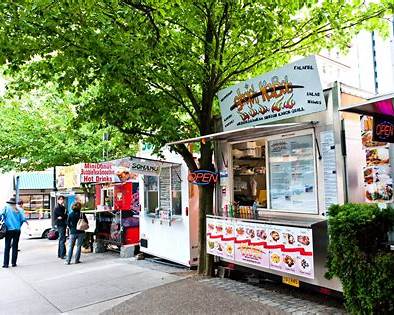

One of the key principles of slow travel is focusing on one destination rather than trying to see multiple places in a short amount of time. Instead of hopping from one city to another, spend several days (or even weeks) in one location to really get to know the area.
By Robert Anthony Brown · 01 May 2026
In today's fast-paced world, where most people rush through their travel experiences, slow travel offers a refreshing approach. Slow travel encourages you to take your time, immerse yourself in the local culture, and savor every moment of your journey. By focusing on quality over quantity, slow travel allows you to create meaningful, memorable experiences. Here’s how you can embrace the art of slow travel on your next trip.
 Choose a Single Destination
One of the key principles of slow travel is focusing on one destination rather than trying to see multiple places in a short amount of time. Instead of hopping from one city to another, spend several days (or even weeks) in one location to really get to know the area.
By choosing a single destination, you have the opportunity to explore it deeply. Visit local landmarks, try different eateries, interact with residents, and discover hidden gems off the beaten path. This approach allows you to experience a place in a more authentic and fulfilling way.
Travel Slowly Between LocationsIf you do want to visit multiple destinations, take your time getting between them. Instead of booking the fastest mode of transportation, consider taking a train, bus, or road trip. These slower modes of travel not only offer scenic views but also allow you to experience the journey itself, rather than just rushing to the next destination.
Taking a slow journey allows you to see more of the countryside, interact with locals along the way, and enjoy the process of travel itself. Plan for longer travel days to make the most of these slower routes.
Slow travel is about connecting with the local culture and immersing yourself in the community. Take time to learn about the history, customs, and traditions of the place you are visiting. Attend local festivals, try regional foods, or participate in cultural workshops.
By embracing the culture, you gain a deeper understanding of the place and its people. It also helps you step away from the typical tourist experience and see the destination through a more authentic lens.

Instead of staying in large chain hotels, consider booking accommodations that are locally owned, such as guesthouses, boutique hotels, or Airbnb rentals. These types of accommodations often provide a more intimate and personal experience, as the owners can offer insider tips and recommendations that you wouldn't find in a guidebook.
Local accommodations also give you the opportunity to support small businesses and experience the destination like a local. You’ll often find these types of places in quieter neighborhoods, allowing you to experience the rhythm of daily life away from the tourist crowds.
Unplug and DisconnectOne of the core principles of slow travel is the idea of disconnecting from the hustle and bustle of modern life. When traveling slowly, take the time to unplug from your devices and immerse yourself fully in the experience.
Turn off your phone notifications, avoid spending too much time on social media, and embrace the present moment. This allows you to be more mindful of your surroundings and the people you encounter along the way.
Pace YourselfOne of the challenges of modern travel is the temptation to over-schedule. On a slow travel journey, it’s important to resist the urge to fill every moment with activities. Instead, prioritize quality over quantity and allow yourself time to relax and take things at your own pace.
Take breaks when you need them, and give yourself permission to just sit in a café, people-watch, or wander aimlessly through a neighborhood. Slow travel is about savoring the journey, not rushing through it.
Enjoy SpontaneityWhile planning is important, slow travel also allows room for spontaneity. Sometimes the best experiences come from unplanned moments—discovering a hidden alleyway, stumbling upon a local market, or meeting a friendly local who offers to show you around.
Allow yourself to follow your instincts and embrace these spontaneous moments, as they often lead to the most memorable parts of your journey.
Reflect and Disconnect at the End of Each DayAt the end of each day, take some time to reflect on what you’ve experienced. Slow travel encourages mindfulness, and taking a few moments to digest the day’s adventures can help you process your journey more fully.
Whether you keep a travel journal, meditate, or simply enjoy a quiet moment with a cup of tea, reflecting at the end of each day allows you to truly appreciate the experiences you’ve had and makes your travel more meaningful.
ConclusionThe art of slow travel is all about savoring the journey rather than rushing to check off items on a list. By slowing down, immersing yourself in the local culture, and allowing room for spontaneity, you can create richer and more memorable travel experiences. The next time you travel, remember to slow down and enjoy every moment.
Subscribe to our newsletter to get our newest articles instantly!

Senior Contributor
Robert Anthony Brown is passionate about impactful storytelling. With a unique voice and deep insights, they turn everyday stories into compelling reads that resonate and inform.
Read Full Bio
For those seeking an extraordinary journey filled with comfort, opulence, and memorable experiences, luxury travel destinations offer the perfect escape. These exclusive locations combine natural beauty with world-class amenities, private accommodations, and personalized services, making each stay a unique adventure.1168a.jpg***Paris, France – A Timeless Destination for EleganceKnown as the City of Light, Paris exudes sophistication and romance, making it a top choice for luxury travelers. Lavish hotels such as The Ritz and Le Meurice offer palatial rooms, Michelin-starred restaurants, and views of iconic landmarks like the Eiffel Tower. Shopping at designer boutiques along Champs-Élysées or enjoying private art tours in the Louvre is part of the ultimate Parisian experience.Beyond the main attractions, private Seine River cruises and gourmet wine-tasting sessions provide immersive, exclusive experiences. Paris is a city where elegance and luxury harmoniously blend, creating unforgettable memories.***Maldives – Secluded Paradise with Overwater VillasThe Maldives is a luxury destination celebrated for its crystal-clear waters, white sandy beaches, and private overwater bungalows. Resorts like the Soneva Jani and the Four Seasons Landaa Giraavaru offer secluded villas with direct ocean access, private infinity pools, and personalized butler services.From exploring coral reefs through private snorkeling tours to dining under the stars on secluded islands, the Maldives provides an intimate, exclusive setting. With exceptional spa treatments and underwater restaurants, it is the perfect destination for those seeking relaxation in paradise.***Dubai, UAE – Glamour and Innovation in the DesertDubai stands out as a futuristic city of luxury, offering everything from sky-high hotels to extravagant shopping experiences. The Burj Al Arab, with its sail-shaped architecture and seven-star amenities, is a symbol of opulence. Travelers can enjoy private helicopter tours, exclusive desert safaris, and luxurious yacht cruises along the coast.Dubai’s vibrant culinary scene includes fine dining in world-renowned restaurants and unique experiences like dining under the sea at Ossiano. With shopping festivals, private golf courses, and indoor skiing, Dubai redefines luxury travel.1168b.jpg***Santorini, Greece – Sunset Views in Aegean BlissSantorini captivates luxury travelers with its iconic whitewashed buildings, deep blue domes, and spectacular sunset views. High-end accommodations like Canaves Oia Suites provide cliffside rooms with infinity pools overlooking the caldera. Private yacht tours around the islands and exclusive wine tours in the famous vineyards make Santorini an idyllic destination.Whether relaxing in a private villa or dining at upscale seafood restaurants, the unique blend of luxury and serene surroundings makes Santorini a magical escape for discerning travelers.***Kyoto, Japan – A Journey into Traditional LuxuryKyoto combines the elegance of Japanese tradition with modern luxury. The city’s high-end ryokans (traditional inns) such as Hoshinoya Kyoto offer private rooms with hot spring baths, Kaiseki-style meals, and scenic views of lush Japanese gardens. Visitors can enjoy tea ceremonies, guided tours of ancient temples, and private geisha performances.For a deeper cultural experience, private cooking classes, Zen meditation sessions, and curated shopping tours of artisanal crafts provide a blend of elegance and authenticity. Kyoto is a tranquil luxury destination for those who value tradition and beauty.***New York City, USA – The City That Never Sleeps in StyleNew York City is a luxury playground offering premier hotels, fine dining, and unparalleled entertainment. Hotels like The Plaza and The St. Regis provide timeless elegance with exceptional service. Private helicopter tours over Manhattan, exclusive Broadway show tickets, and shopping at Fifth Avenue’s designer stores are just a few indulgent experiences available.In addition to art galleries and renowned museums, visitors can dine at Michelin-starred restaurants and explore the city’s vibrant nightlife. New York combines the excitement of a bustling city with world-class luxury amenities, making it an unforgettable destination.***Conclusion: Elevate Your Travel with Luxury DestinationsLuxury travel destinations redefine the meaning of a holiday by offering a balance of adventure, relaxation, and exclusivity. Whether it’s the secluded beaches of the Maldives, the cultural elegance of Kyoto, or the glamour of Dubai, these destinations provide a perfect escape for those who seek the finest experiences. With carefully curated services and attention to detail, luxury travel opens up a world of unforgettable journeys that make every moment extraordinary.
By Christopher David Wilson · 06 May 2026
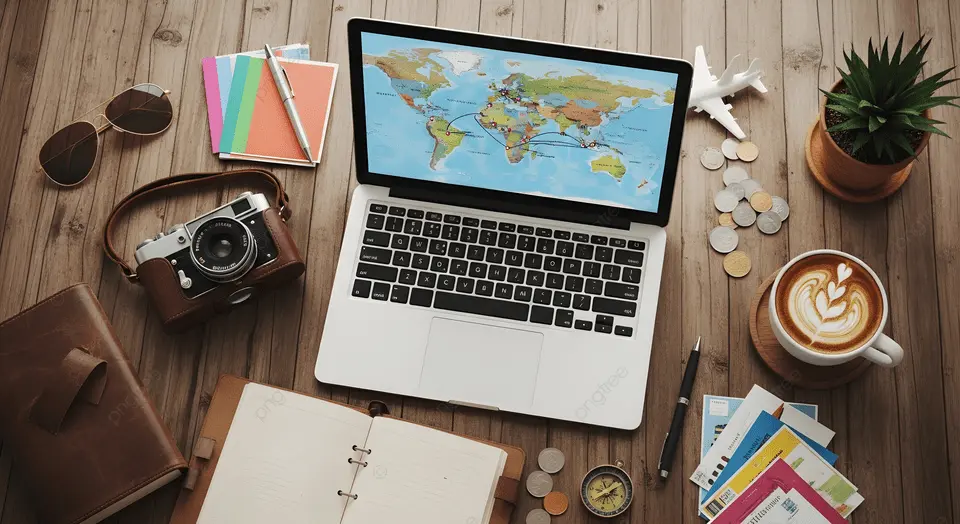
Travel planning today is less about rigid schedules and more about making small, intentional adjustments that improve comfort and save time. By focusing on smarter timing, efficient organization, and realistic expectations, travelers can significantly reduce stress and enjoy smoother, more predictable trips without increasing their budget.***Why Small Adjustments MatterMany travelers assume better trips require bigger budgets, but most discomfort actually comes from overlooked details like poor timing, overpacking, or unrealistic itineraries. Small improvements—such as choosing better flight times or organizing essentials—can dramatically improve the overall experience.Instead of upgrading everything, focusing on removing friction points often leads to more noticeable improvements in comfort and efficiency.***Choosing Better Flight TimingFlight timing has a direct impact on how smoothly your trip begins. Early morning departures tend to experience fewer delays, while midweek flights are often less crowded and easier to manage.Avoiding tight layovers is equally important. Giving yourself enough connection time reduces stress and minimizes the risk of missed flights, especially in busy airports.Ar202656.webp***Packing for EfficiencyPacking is not just about bringing fewer items—it’s about organizing what you carry. Using packing cubes, keeping essentials accessible, and preparing a carry-on with key items can save time during transit.Well-organized luggage reduces the need to search for items repeatedly and makes airport security checks quicker and less stressful.***Improving the Airport ExperienceAirports are a major source of delays and stress, but small changes can improve the experience. Arriving at the right time, using mobile boarding passes, and preparing documents in advance can save valuable minutes.Frequent travelers can also benefit from expedited security programs, which significantly reduce wait times and improve overall efficiency.***Building Realistic ItinerariesOverplanning often leads to exhaustion rather than enjoyment. Instead of filling every hour, focus on one or two main activities per day and leave room for flexibility.This approach allows you to adapt to unexpected opportunities, rest when needed, and avoid the pressure of rushing between locations.***Choosing the Right LocationWhere you stay affects how much time you spend commuting. Accommodations near key attractions or public transportation hubs can reduce daily travel time and improve convenience.While central locations may cost slightly more, they often save both time and transportation expenses over the course of a trip.***Smarter Transportation ChoicesTransportation decisions should match the destination. In cities with strong public transit systems, using trains or buses is often the most efficient option.Ar202657.webpIn areas with limited transit, renting a car or combining multiple transport methods can help maintain flexibility and reduce delays.***Managing Food and BreaksPlanning meals strategically can help maintain energy and avoid long wait times. Identifying reliable dining options in advance and carrying snacks during travel can prevent unnecessary delays.Eating outside peak hours is another simple way to save time and enjoy a more relaxed dining experience.***Using Technology EffectivelyTravel apps can simplify planning, but overuse can lead to unnecessary complexity. Focus on tools that provide real value, such as flight trackers, offline maps, and itinerary organizers.Avoid relying too heavily on notifications or constant updates, which can create decision fatigue during your trip.***Preparing for Unexpected SituationsNo trip goes exactly as planned, so preparation is essential. Keeping backup documents, allowing buffer time, and carrying basic essentials can help you handle disruptions smoothly.These small precautions often prevent minor issues from becoming major inconveniences.https://www.youtube.com/watch?v=E47FGfv14Mc&pp=ygUwMS4gSG93IHRvIFBsYW4gYSBUcmlwIEVmZmljaWVudGx5IChTdGVwLWJ5LVN0ZXAp0gcJCdkKAYcqIYzv***ConclusionTravel comfort and efficiency come from thoughtful planning rather than expensive upgrades. By making small adjustments to timing, organization, and expectations, travelers can create smoother, more enjoyable experiences without increasing their budget.Focusing on what truly impacts comfort—time, convenience, and flexibility—leads to better trips and less stress overall.
By Robert Anthony Brown · 16 May 2026

A modern staycation is no longer just about staying home—it’s about creating a purposeful break that delivers rest, novelty, and connection without the time and expense of travel. With thoughtful planning and intentional choices, you can experience a refreshing reset while staying within your own city.***Why Staycations Are Gaining PopularityStaycations have become increasingly popular as travelers look for flexible, cost-effective ways to take time off. Rising travel costs, limited vacation days, and a desire for simpler experiences have made local breaks more appealing than ever.Many Americans are choosing shorter, more frequent breaks instead of long trips, and staycations fit perfectly into this trend by reducing stress while still providing meaningful downtime.***What Makes a Staycation Feel Like a VacationA successful staycation creates a clear break from your everyday routine. Without intentional planning, it can feel like just another weekend filled with chores and distractions.To make it feel like a real vacation, focus on setting boundaries, planning activities, and introducing new experiences that shift your mindset away from daily responsibilities.Ar202635.webp***Planning Your Staycation Step by StepStart by identifying what you want from your time off—whether it’s relaxation, exploration, or quality time with loved ones. This helps guide your decisions and ensures your staycation meets your needs.Consider booking a local hotel or short-term rental to create a sense of separation from home. Even a single night away can make the experience feel more intentional and refreshing.***Rediscover Your Own CityStaycations provide an opportunity to see your city through a new lens. Many locals overlook attractions that visitors actively seek out, from museums and parks to cultural events and historic neighborhoods.Approaching your city like a tourist—without the usual time pressures—can uncover experiences you may have never considered before.***Budgeting Your StaycationWhile staycations are typically more affordable than travel, costs can still add up. Focus your spending on experiences that enhance the break, such as dining, entertainment, or a comfortable place to stay.Savings naturally come from eliminating major expenses like flights and long-distance transportation, allowing you to allocate more toward quality experiences.Ar202636.webp***Food as Part of the ExperienceDining plays an important role in creating a memorable staycation. Instead of sticking to routine meals, treat food as part of the experience by trying new restaurants or exploring different neighborhoods.You can also create themed meals at home to bring a sense of novelty without leaving your space.***Disconnecting From Work and RoutineOne of the biggest challenges of a staycation is truly disconnecting. Without physical distance, it’s easy to stay mentally tied to work or daily responsibilities.Setting clear boundaries, limiting notifications, and communicating your availability can help you fully relax and make the most of your time off.***Tailoring Staycations to Your LifestyleStaycations can be customized to fit different lifestyles. Families may focus on structured activities and shared experiences, while couples might prioritize relaxation and connection.Solo travelers can use the time for reflection, personal projects, or exploring the city at their own pace.***Common Staycation Mistakes to AvoidMany people fail to get the full benefit of a staycation because they don’t treat it as real time off. Over-scheduling, staying connected to work, or skipping planning can reduce its impact.Balancing structure with flexibility and committing to the experience are key to making it worthwhile.https://www.youtube.com/watch?v=p8ybh5UdNlw&pp=ygUlMS4gSG93IHRvIFBsYW4gdGhlIFBlcmZlY3QgU3RheWNhdGlvbg%3D%3D***ConclusionA staycation is not about staying in—it’s about stepping out of your routine in a meaningful way. With the right approach, you can create a break that feels just as refreshing as traveling, without the added stress and expense.By planning intentionally and embracing local opportunities, your city can become the perfect destination for rest, discovery, and renewal.
By Stefen · 14 May 2026
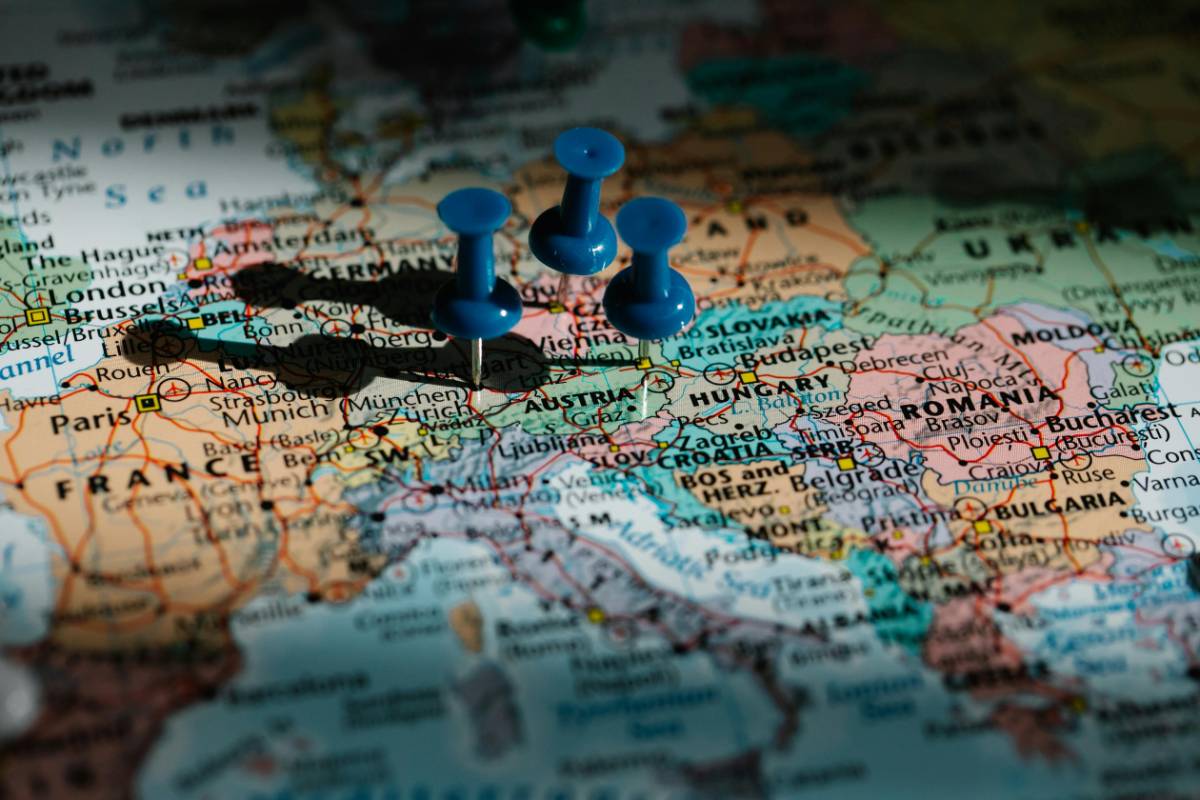
Planning a multi-country vacation is an exciting adventure that allows you to explore diverse cultures, landscapes, and attractions. However, with so many details to organize, it can also be a bit overwhelming. From choosing the right destinations to managing logistics, here are some tips to help you plan a seamless and unforgettable multi-country trip.1174a.jpg***Step 1: Choose Your Destinations WiselyThe first step in planning a multi-country vacation is selecting the destinations you want to visit. Consider regions that are geographically close to each other to minimize travel time and costs between countries. For example, traveling through Western Europe, Southeast Asia, or Central America can be more efficient than hopping between distant continents.It’s also essential to think about the type of experience you want. Are you looking to explore cities, relax on beaches, or immerse yourself in nature? Make sure your destinations offer a variety of activities that suit your interests and needs.***Step 2: Research Travel Restrictions and VisasBefore you start booking flights and accommodations, check the visa requirements and travel restrictions for each country you plan to visit. Many countries have specific visa policies, and some may require you to obtain a visa in advance, while others may offer visa-on-arrival services.Also, stay updated on any COVID-19 regulations, including quarantine requirements or vaccine documentation. Knowing this information in advance will help you avoid unexpected complications during your trip.***Step 3: Plan Your Route and TransportationOnce you’ve narrowed down your destinations and taken care of visa requirements, it’s time to plan your route. Think about how you’ll get from one country to another and the most efficient transportation options available.Flying between major cities is often the quickest and most convenient option. Look for budget airlines or travel passes that allow you to visit multiple cities at a discounted rate. Alternatively, train and bus services may be more scenic and affordable options, especially in regions like Europe and Southeast Asia.***Step 4: Create a Realistic ItineraryWith multiple countries to visit, it’s crucial to create a balanced and realistic itinerary. Don’t over-pack your schedule by trying to see everything at once. Instead, prioritize your must-see attractions and leave room for spontaneity.Be sure to factor in travel time between destinations. Some countries are larger than others, and you may spend several hours on a train or plane just getting from one place to another. Leave at least one full day in each city to explore before moving on to the next destination.***Step 5: Budget for the TripA multi-country vacation can be expensive, so it’s essential to budget for the entire trip. Start by estimating how much you’ll need for flights, accommodation, meals, and activities in each country. Don’t forget to factor in the cost of transportation between countries and any entry fees for museums, parks, or attractions.Consider using budgeting apps or spreadsheets to track your spending throughout the trip. You can also save money by staying in hostels, booking tours in advance, or choosing destinations with a lower cost of living.***Step 6: Pack Light and SmartPacking for a multi-country trip can be tricky, as you’ll need to prepare for a variety of climates and activities. The key is to pack light and versatile items that can be mixed and matched for different occasions.Pack clothing that can be layered, as temperatures can vary from one country to another. Comfortable shoes are a must, especially if you plan to do a lot of walking. Don’t forget travel-sized toiletries, a portable charger, and a daypack for sightseeing.1174b.jpg***Step 7: Stay Connected and Plan for CommunicationStaying connected while traveling through multiple countries can be a challenge. Look into purchasing a global SIM card or an international roaming plan that allows you to use your phone in several countries without incurring hefty fees.Alternatively, consider relying on Wi-Fi for communication. Many cafes, hotels, and public spaces offer free Wi-Fi, so you can use messaging apps or make calls through Wi-Fi networks. It’s also helpful to download offline maps and translation apps to navigate unfamiliar places.***Step 8: Learn the Basics of Local LanguagesWhile English is widely spoken in many countries, it’s always a good idea to learn a few key phrases in the local language. Simple greetings, thank you, and please can go a long way in making connections and showing respect for the local culture.Before you go, consider downloading language apps like Duolingo or Google Translate to help you with translations during your trip. Knowing a little of the local language will also enrich your experience and make your trip more enjoyable.***Step 9: Be Flexible and Embrace the UnexpectedOne of the most important tips for a multi-country vacation is to remain flexible. While it’s great to have an itinerary, things can change unexpectedly, whether it’s due to weather, transportation delays, or changes in local regulations.Embrace the unexpected and be open to spontaneous adventures. Some of the best travel memories come from unplanned moments, like discovering a hidden gem or meeting new people along the way.***Step 10: Stay Safe and Keep Important Documents SecureWhen traveling through multiple countries, it’s essential to prioritize your safety and keep important documents secure. Keep copies of your passport, visa, and other crucial documents in a separate location from the originals.Consider investing in a travel money belt or neck pouch to keep your passport and credit cards safe from pickpockets. Additionally, research the safety tips and guidelines for each country you’re visiting and stay informed about any potential risks.***Step 11: Enjoy the JourneyFinally, remember that travel is about enjoying the experience and embracing the journey. Take time to enjoy the sights, meet locals, and immerse yourself in the cultures you encounter. Don’t rush from one destination to the next, and make sure to savor every moment of your multi-country vacation.By following these tips and planning ahead, you can ensure a smoother and more enjoyable experience as you explore multiple countries. Whether it’s your first multi-country trip or your 10th, thoughtful preparation will help you create lasting memories and make the most of your adventure.
By Abraham Benjamin · 12 May 2026